Unveiling of ‘Faces of Pain’/ A Narrative of Loneliness, Death, and the Feminine World
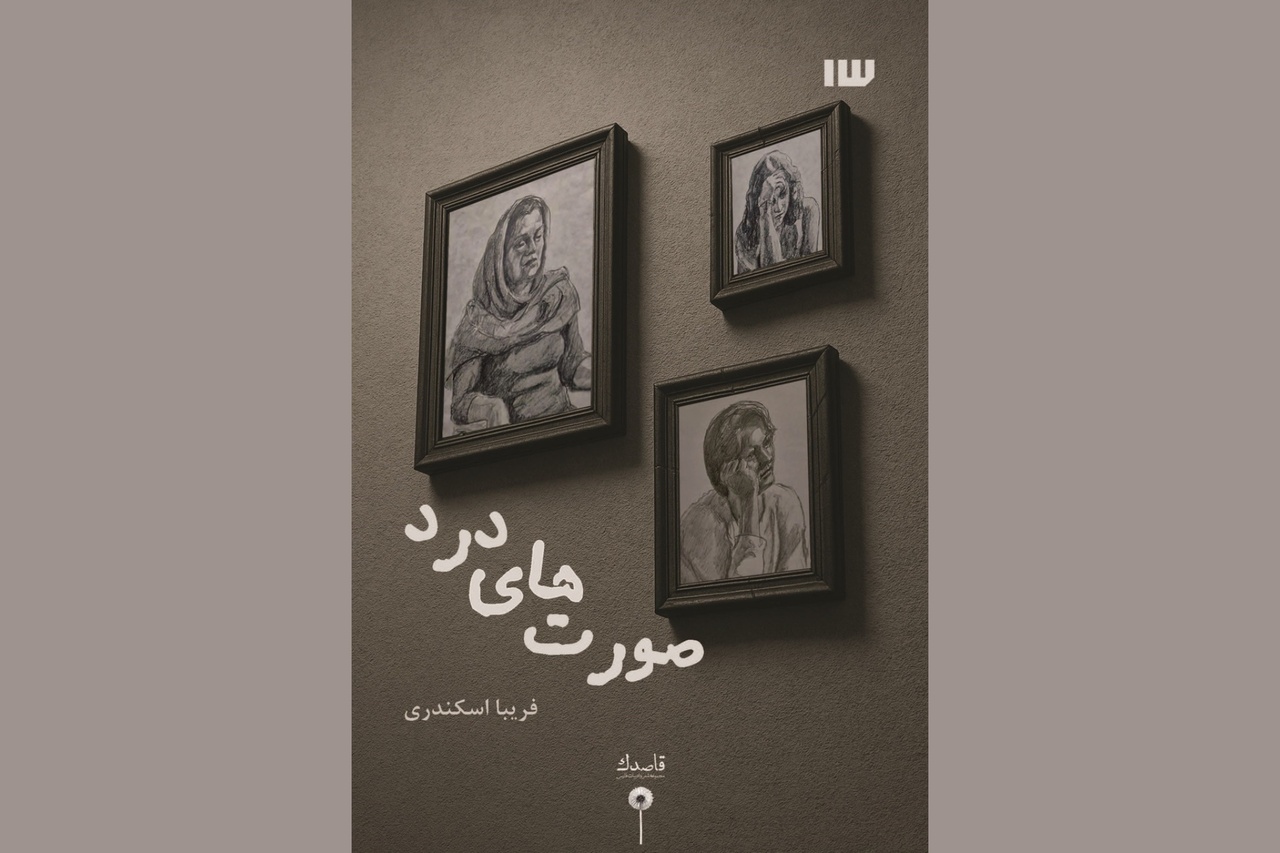
According to the correspondent of the Iran Book News Agency (IBNA) in Shiraz, the unveiling ceremony for the book “Faces of Pain” was held on Monday evening at Shiraazeh Cafe-Bookstore with the attendance of Fariba Eskandari, the author, Sahar Hadigheh, a writer, and Noushin Talebzadeh, a literary critic and university lecturer.
Noushin Talebzadeh reviewed the book using a narrative-based approach during the meeting and said: “The worldview of women is only hidden in the hidden layers of the stories, and the author has intentionally created common loops between the narratives.”
She described narration as the representation of the author’s lived experience in the form of a story and added: “Narration is the description of situations and telling of stories within a discursive framework that brings the audience closer to the author’s lived experience.”
This literary critic, referring to the four fundamental elements of narratology, stated: “The first element is actuality; meaning that the representation of reality in the text is shaped under the influence of the social environment, and this influence is directed at the narrator, not necessarily the author themselves.”
The narrator, as if carrying their own image through society
She continued: “In the first story of the book, we encounter a narrator who differs from the author; a narrator who seems to carry their image through society, listens more than acts, and predominantly sees the world from a woman’s perspective.”
Talebzadeh identified the third element of narratology as “world-building” and said: “The ability for the audience to live through the experiences of the narrator or author after reading the stories is an important criterion that this book has successfully met.”
She listed the fourth element as “co-identification” and added: “The stories facilitate empathy for the audience by explaining unconventional events.”
According to this critic, the author has highlighted the theme of feminism in the text through smart devices, accomplishing this with a kind of hidden irony and dry, reversed humor. “The entirety of the stories in ‘Faces of Pain’ is full of situations where bitter humor has a strong presence.”
Faces of Pain; A Museum of Memories and Frames of Death
Next, Sahar Hadigheh also provided an analytical view of the book, stating: “This work can be considered a museum of memories and frames of death. Even the image on the book cover evokes frames of a life, and the title of the book correctly corresponds to the atmosphere of the stories.”
She added: “From the very first story, we encounter death, and three narrative threads link the stories together, the first of which is death.”
Hadigheh emphasized the repetition of concepts like frame, photo, and image in the book, stating: “These frames represent the death of time. The characters in the story, especially the narrator, have little action, and the narrator’s silence is a form of non-self-display; a silence accompanied by the recurrence of the concept of death.”
She identified the second prominent thread in the stories as “aging and growing old,” and said: “The use of Shiraz’s geography is completely evident in this book, and the narrator tries to find a way to escape the fear of aging.”
According to Hadigheh, the third narrative thread of the work is “inability or the right to say ‘I love you’,” which is woven like a delicate knot throughout the stories.
In the concluding part of the session, Fariba Eskandari, the author, emphasized the inseparable link between art and life, saying: “Writing is born from the heart of life. While writing the stories, sometimes I thought the texts were simple or superficial, but later I understood that this is exactly life itself.”
She added: “I am not a teacher or a psychologist, but I lived through these stories. Despite all the difficulties, I wrote and came to feel that by writing, I am not alone, and the reader will not be alone either.”
According to IBNA; “Faces of Pain,” written by Fariba Eskandari, is a work published by Nashr Sizdah. This book is a collection of Persian short stories that deals with the lives of women and families within contemporary Iranian society, through intimate and tangible narratives.





