‘Abu Maryam’ Book; A Tangible Model of Sacrifice and Spirituality for Today’s Generation
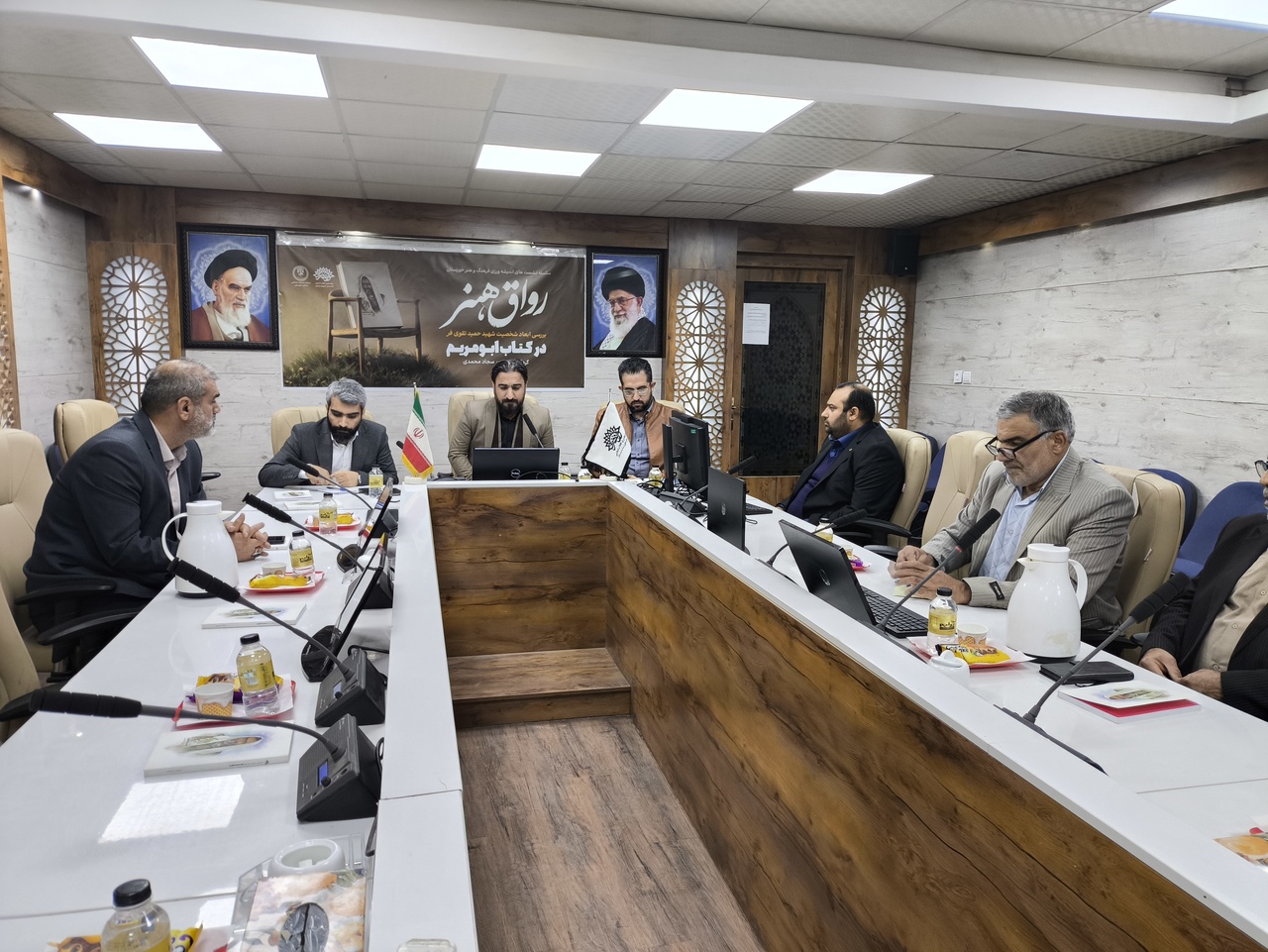
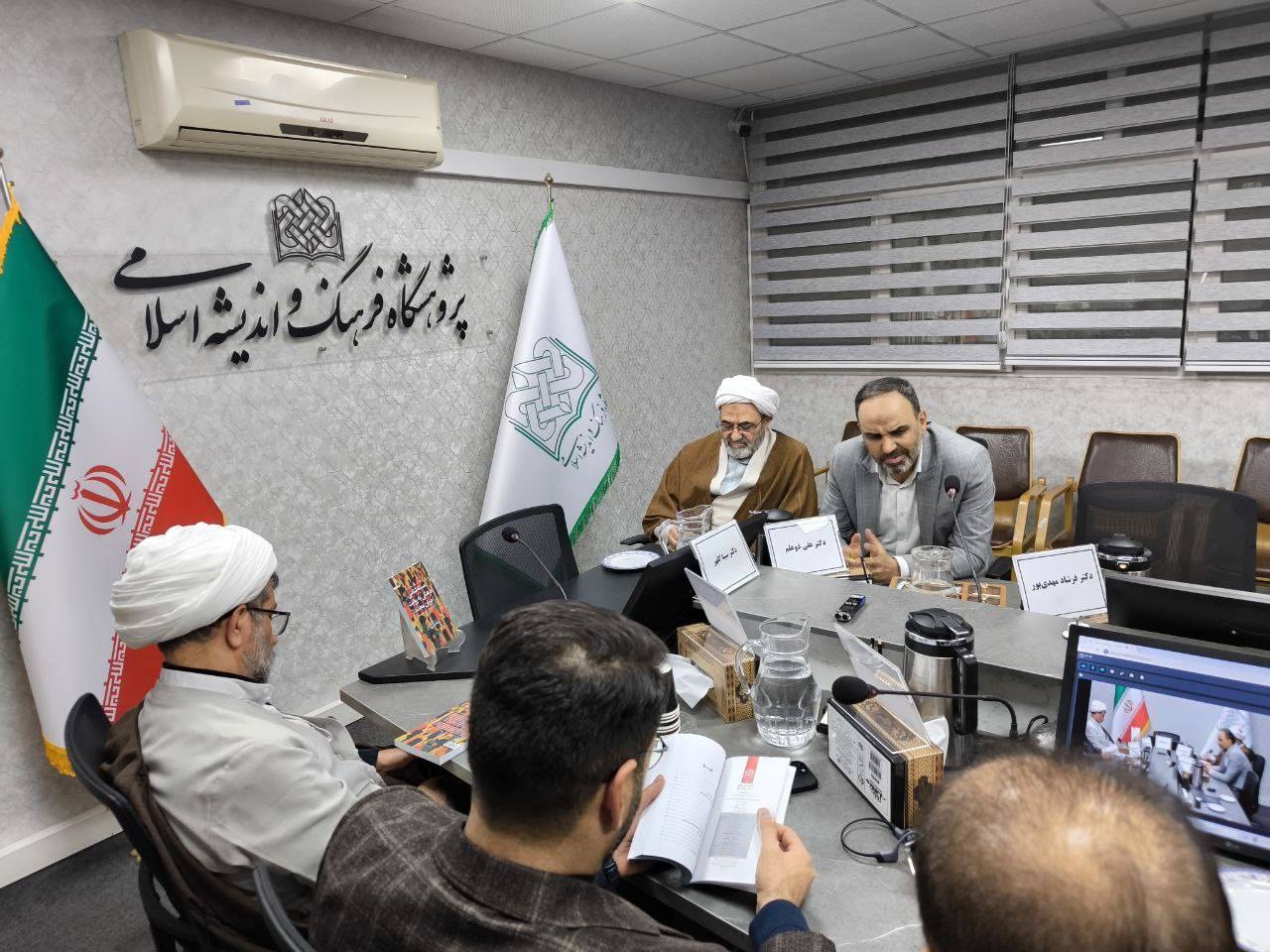
According to the correspondent of the Iran Book News Agency (IBNA) in Ahvaz, Sajjad Mohammadi, compiler of the book ‘Abu Maryam’, speaking on Monday evening at a series of intellectual meetings on Khuzestan culture and art entitled “An investigation of the dimensions of Martyr Hamid Taghavifar’s character in the book Abu Maryam” in Ahvaz, pointed to his motive for compiling the book, which refers to aspects of Martyr Sayyid Hamid Taghavifar’s life, and stated: “Our family connection and kinship with the Taghavifar family led to a closer acquaintance with the moral and spiritual conduct of this great martyr. After marrying into this family, I found the opportunity to benefit more from his presence and memories.”
Mohammadi continued: “The emphasis and follow-up by Hojjatoleslam Shafiei as a driving force prompted me to document this martyr’s memories. At that time, fewer narratives about the defenders of the holy shrines were published, and this book became an opportunity to record some of the martyrs’ precious memories.”
Mohammadi added, referring to Martyr Taghavifar’s multi-dimensional and ideal personality: “He was a man of many talents, humble and pious, who practiced asceticism and simple living despite having material possessions. His good deeds, including developing lands and continuous fasting, were known to everyone.”
In another part of his speech, he referred to the martyr’s father’s will and said: “The martyr’s father, Haj Nasrollah Taghavifar, wrote about his son in his will in 1362: ‘My son Haj Hamid, who is dearer than my soul, I will not forget you even if I am under tons of soil, and I always long to see you. I am proud of you, a true soldier of Imam Mahdi (A.S). Hamid Jan, I cannot give you advice because you are a teacher of ethics and a messenger of the blood of martyrs. Light of your father’s eyes, Haj Hamid, do not forget me and my parents in your worship. May God grant you patience. So, my dear, I humbly ask you to seek forgiveness for us sinners from the threshold of the Almighty.’ This testament shows the depth of the father’s affection and deep understanding of his son’s character, and for introducing the martyr, these few sentences seem sufficient.”
He continued: “The book ‘Abu Maryam’ was compiled with the aim of presenting an accessible image and a tangible model of the life of Martyr Sayyid Hamid Taghavifar, seeking to convey the spiritual glory and sacrifices of this martyr to today’s and tomorrow’s generations through intimate and lasting memories.”
Need for the driving force of intellectuals to continue publishing works about martyrs
Mohammadi emphasized the effective role of intellectuals and external driving forces in continuing such projects regarding the book ‘Abu Maryam’ and its compilation process, saying: “If it weren’t for the insistence and follow-up of intellectual and concerned friends, this book would not have reached the stage of writing and publication.”
Referring to the scope of work done on the life of Martyr Sayyid Hamid Taghavifar, he added: “On this occasion, an Arabic translation of this book was prepared in 1394 (2015), but unfortunately, due to weaknesses in the publishing sector in Khuzestan province, it has not been published so far.”
In another part of his speech, Mohammadi pointed to existing limitations in publishing the martyr’s complete memories, explaining: “I made efforts to continue this path, but a large portion of the materials and documents related to Martyr Taghavifar cannot be published publicly due to confidentiality reasons and security considerations.”
Stating that the main narratives and key documents of this martyr’s life are in certain parts unpublishable, he said: “Some topics related to Haj Hamid are genuinely difficult and complicated, and the main documents of his narratives do not permit publication. This has made the work difficult, but we have tried to do justice to the subject as much as possible.”
The compiler of the book ‘Abu Maryam’ noted in conclusion: “Despite all the limitations, our goal is to record and transfer the publishable parts of this great martyr’s life and memories, so that future generations become familiar with a part of the glorious path of the defenders of the holy shrines.”
Martyrs are a factor of national unity and opening up economic fields
Behzad Sheikhi, a writer and researcher from Khuzestan, continued the discussion about Martyr Sayyid Hamid Taghavifar, emphasizing the unifying and inspiring role of martyrs, saying: “Honoring the memory of martyrs can be a factor for national unity. With their lifestyle and sacrifices, these great people can even be a solution in solving economic issues.”
Referring to the multi-layered aspects of Martyr Taghavifar’s personality and intelligence missions, Sheikhi added: “When we talk about a multifaceted individual like Martyr Taghavifar, who was an intelligence element, we must pay attention to the historical background and context of his activities.”
Explaining the limitations in accessing complete documents, he said: “We cannot access all dimensions of martyrs’ lives, because access to all documents and sources is not possible. When we want to write, our resources are limited. As a result, efforts to gather this information, while commendable, cannot include all sources.”
Describing Martyr Taghavifar as a self-made and duty-oriented individual, this writer from Khuzestan said: “His responsibility was information gathering. When we research a character like Taghavifar, we should not expect to find a book that completely covers all dimensions of his life. We must obtain this picture piece by piece and through different sources.”
Pointing to the difficulty of writing about such figures, Sheikhi said: “I intended to write about Haj Hamid Taghavifar several times, but I didn’t dare. A person like him who serves in the IRGC for forty years without expecting any reward has gone through a very important stage of self-development. Managing income and life is part of this self-development.”
The book ‘Abu Maryam’ is a groundbreaking work in the literature of defenders of the holy shrines
Ali Hajeri, another critic at the meeting, emphasized the importance of the book ‘Abu Maryam’ about Martyr Sayyid Hamid Taghavifar, saying: “This book is a groundbreaking work in the field of literature of defenders of the holy shrines and brings us closer to the lived world of this martyr. By emphasizing the cultural richness of Khuzestan in this field, he called for more attention to introducing and investing in such works.”
Regarding its place in resistance literature, he said: “This book is ten years old and is minimalist in style and very technical in content. The book ‘Abu Maryam’ is considered a groundbreaking work in the field of literature of defenders of the holy shrines.”
Referring to the effective role of Khuzestan and Arab-speaking fighters in the Sacred Defense and resistance, he added: “When the movement of defenders of the holy shrines began, the first people who participated were from Khuzestan, and the role of the Arab-speaking youth was very prominent. In the field of literature of defenders of the holy shrines in Khuzestan, there are many fighters who are still alive, but we do not know them well.”
Pointing to the existing gap in the narration of the Sacred Defense in Khuzestan, Hajeri said: “In the story of the Sacred Defense, despite seventy percent of the war taking place in Khuzestan, none of the prominent writers in this field are from Khuzestan. This is because we Khuzestanis have not invested and spent much to enrich our literature.”
Referring to the unknown capacities of Khuzestani martyrs and veterans, he continued: “Several books exist about our martyrs like Haj Hossein Hamdani, but if a researcher goes to Iraq, they can extract important historical periods of Martyr Taghavifar’s life. For example, he caused the security of the Arbaeen procession to be established. Several books could be written and published about this very topic of Arbaeen procession security.”
This book expert emphasized the necessity of continuing work on books like ‘Abu Maryam,’ stating: “This book must continue. Memories from other members of Martyr Taghavifar’s family have not been recorded. From a lived experience perspective, he has an amazing personality. We have not yet entered the complete story and narrative of this martyr’s life. When the narration comes from his wife, it only covers from the marriage onwards, so we do not have his childhood, adolescence, and school story.”
Criticizing the lack of attention to the field of martyr literature in Khuzestan, he said: “If this book were properly introduced, its circulation would increase. If there is investment, it will have a very good result.”
In this meeting, Sayyid Amir Taghavifar, brother of Martyr Hamid Taghavifar, mentioned that Sayyid Hamid’s courage was known to everyone and described the martyr’s character traits.