Book ‘Ladies of This House’ Unveiled
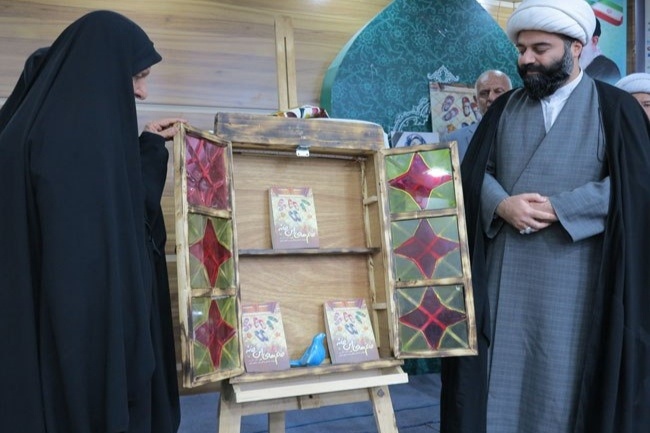
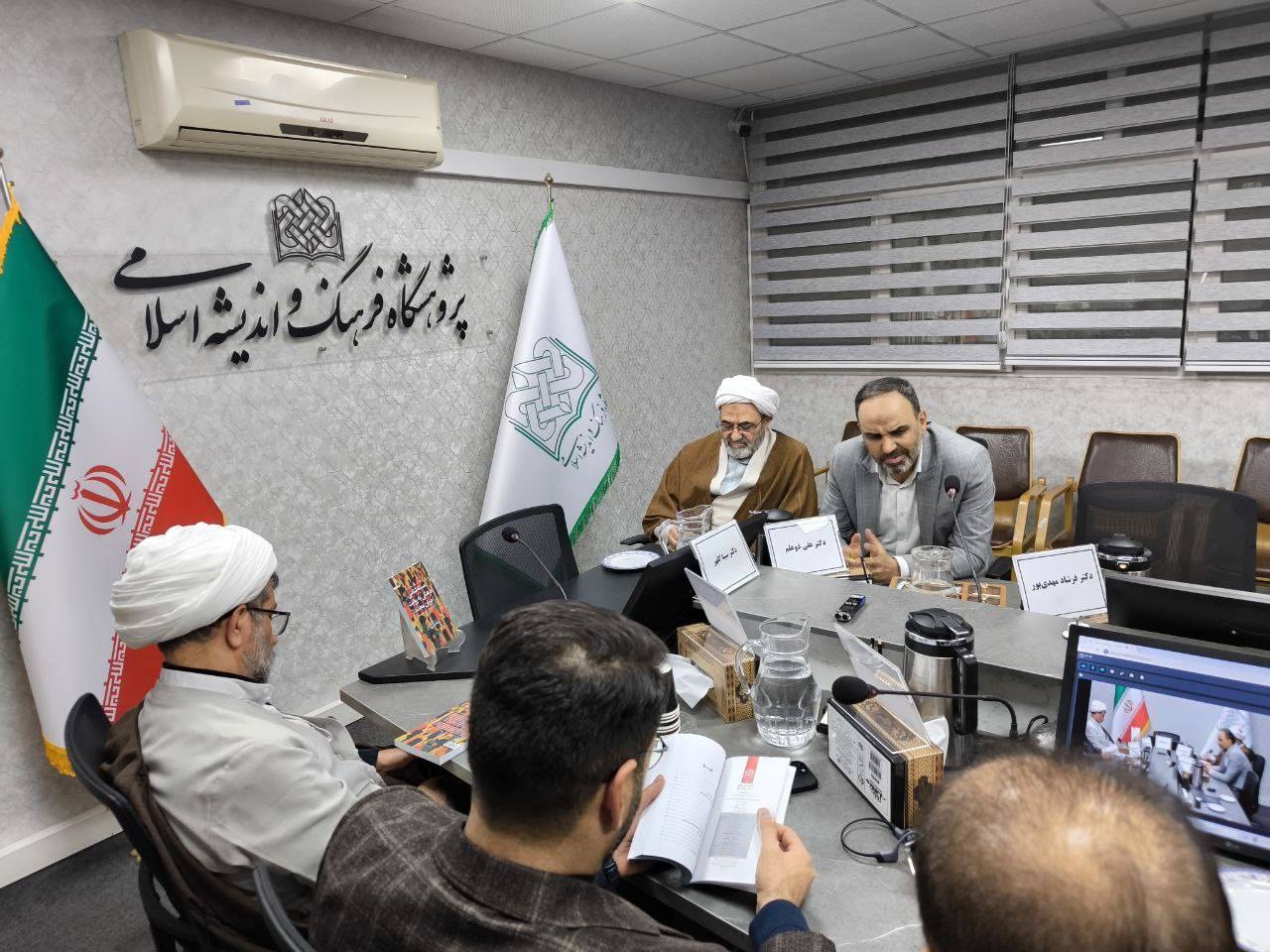
According to the reporter of Iran Book News Agency (IBNA) in Bojnourd, the unveiling ceremony of the book ‘Ladies of This House’, the latest work by Atefeh Talebpour, was held by Sureh Mehr Publications, with the presence of researchers, cultural activists, and enthusiasts of resistance literature.
This 524-page book is the result of seven years of field research, numerous interviews, and examination of oral documents. The research began with the first interview with Mrs. Amiri, the mother of the three Ranjbarian sisters, and gradually evolved into a comprehensive narrative of this family’s life during the Islamic Revolution, their jihadi activities, and their role during the Sacred Defense era.
The central part of the book follows the lives of the three active and influential sisters of this family. Alongside this, the role of the family’s mother, a woman who, after her husband’s death, solely undertook the responsibility of guiding and raising her children, has been highlighted with an analytical and documentary approach.
Due to its precise treatment of the role of women in the family, the upbringing of a revolutionary generation, maternal patterns during social crises, and the active presence of women in cultural and jihadi fields, this book has been categorized as a ‘Class A’ work by the Islamic Revolution Art Center and introduced as a prominent production in the field of resistance literature.
On the sidelines of the ceremony, a book reading competition for ‘Ladies of This House’ also began in three formats: video, audio, and text. This competition starts on December 3rd and, according to the organizers, the final results will be published on January 17th.
Interested individuals can obtain a print copy of the book with a 25% discount through the Sureh Mehr Publications website to participate in the competition.
In this ceremony, the organizing officials, in their speeches, recalled the importance of paying attention to the lesser-heard narratives of women during the years of the Revolution and the Sacred Defense, emphasizing that this work not only recounts a corner of the oral history of resistance but also provides a close picture of the culture of influential families of that era.
The unveiling ceremony provided an opportunity for audiences, researchers, and activists in the field of resistance culture to once again review the role of women in nurturing influential generations of the Revolution and to highlight the necessity of continuing to record women’s narratives of contemporary Iranian history.