Documenting the seizure of the US embassy preserves the historical memory of the nation
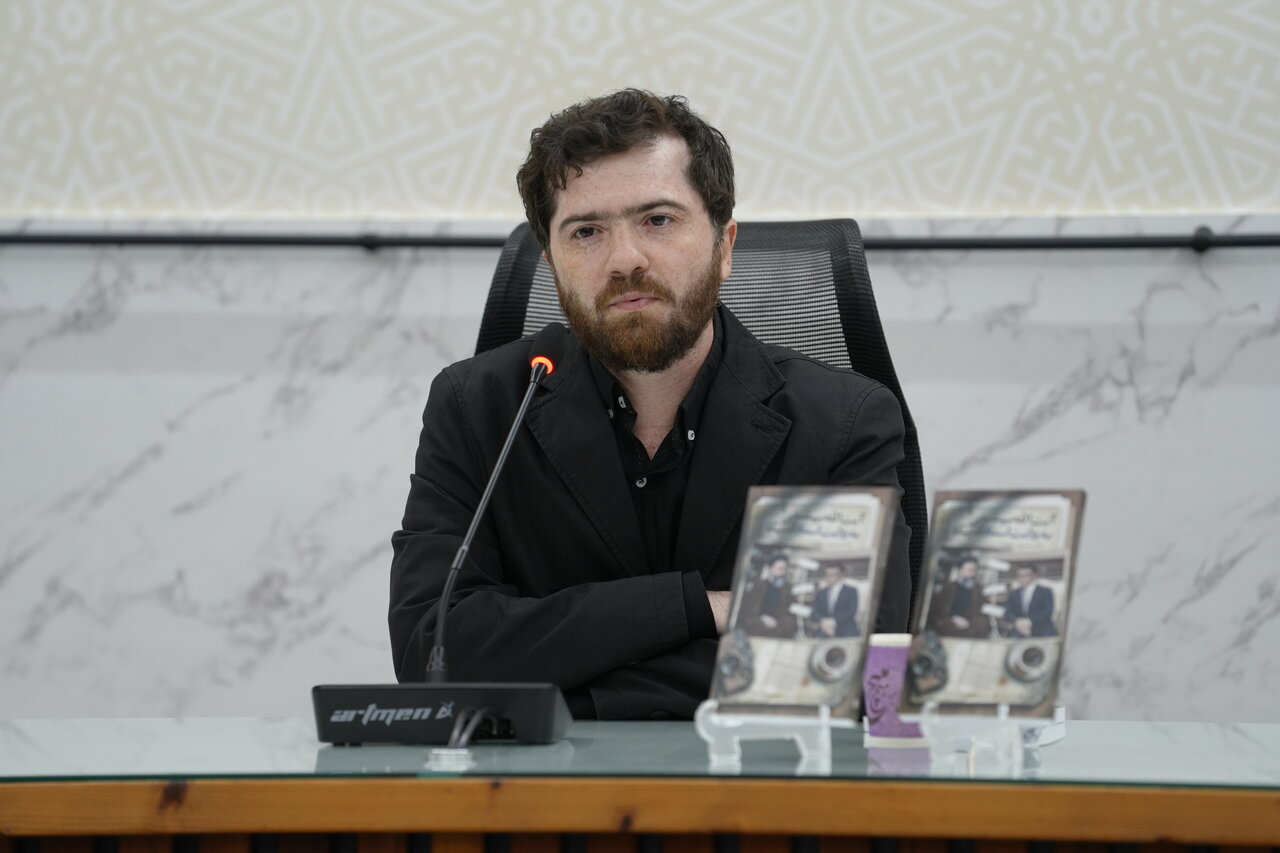
Mohammad Mahboubi, author of the book “Beyond the Wall and Roosevelt Street,” in an interview with Mehr News Agency correspondent, referring to the passage of over 50 years since the seizure of the US Embassy, spoke about the importance of recording and documenting this event. He stated: “Given that over 50 years have passed since the seizure of the US Embassy, any historical event, whether this specific case or any other, helps preserve the historical memory of a nation and ensures that past events are not forgotten. The issue of the US Embassy seizure is no exception, and in the form of a documented narrative, it helps us gain a more realistic understanding of what happened and allows for more accurate judgment.”
Regarding the challenges of encountering conflicting narratives and analyzing them, he added: “Every event has multiple narratives from various viewpoints, proportional to the number of actors and individuals present on the scene. In the matter of the US Embassy seizure and the events before and after it, this multiplicity of reports becomes much more diverse; some of these reports are from the Iranian side, some from the American side, and some from other observers who were neither Iranian nor American. In each of these reports, there are different factions and personalities who view the issue from their own perspective, and in some cases, this multiplicity of reports sometimes leads to conflicting narratives.”
He continued: “In such circumstances, you have no choice but to try and see all the documents, have a complete picture of the scene, and based on those documents, you can both provide a report of the various narratives and arrive at a summary and social analysis of the topic.”
Mahboubi pointed to an example of conflicting narratives: “One of these conflicting reports that I encountered in my work was the Tabas incident and the order to fire on the American aircraft that Banisadr had given. Some believed that this order was to destroy documents present there, but when you examine all the reports and documents, you observe that this was actually the decision of the Army General Staff, and the President only approved this order; it was an expert opinion, not a personal command.”
He added: “The documents from the so-called Air Force Research Center, which are military documents from that period, show that a large number of commanders at the time in the General Staff had reached this conclusion. This indicates that examining narratives without referring to comprehensive and credible documents cannot provide an accurate picture of events, and documentation plays a key role.”
Mahboubi commented on the impact of the US Embassy seizure on subsequent events of the Revolution: “I have extensively discussed in my book whether the US Embassy seizure has a direct and significant connection to the borders and Iraq’s military attack. We have multiple reports from officials of various countries, such as documents compiled by Americans or reports written by the British. These documents show that Iraq was adopting military arrangements on Iran’s borders, and this happened before the embassy seizure.”
He explained: “If you also look at Iran’s military documents, the army, in various situations, provided similar reports of the increase in Iraqi military forces on Iran’s border and had predicted the possibility of an Iraqi attack in the near future. Therefore, we cannot define a direct relationship and conclude that Iraq’s attack on Iran was a consequence of the US Embassy seizure.”
Mahboubi elaborated on analyzing different narratives: “In my research, I encountered various types of narratives, some of which were sometimes contradictory and sometimes complementary. The important point is that to understand historical reality, one should not rely solely on one report or one point of view. Each narrative might illuminate parts of the truth and conceal others, but a comprehensive look at all documents and narratives provides a more realistic picture of events and enables accurate and documented analysis.”