Libraries must become digital resilience bases
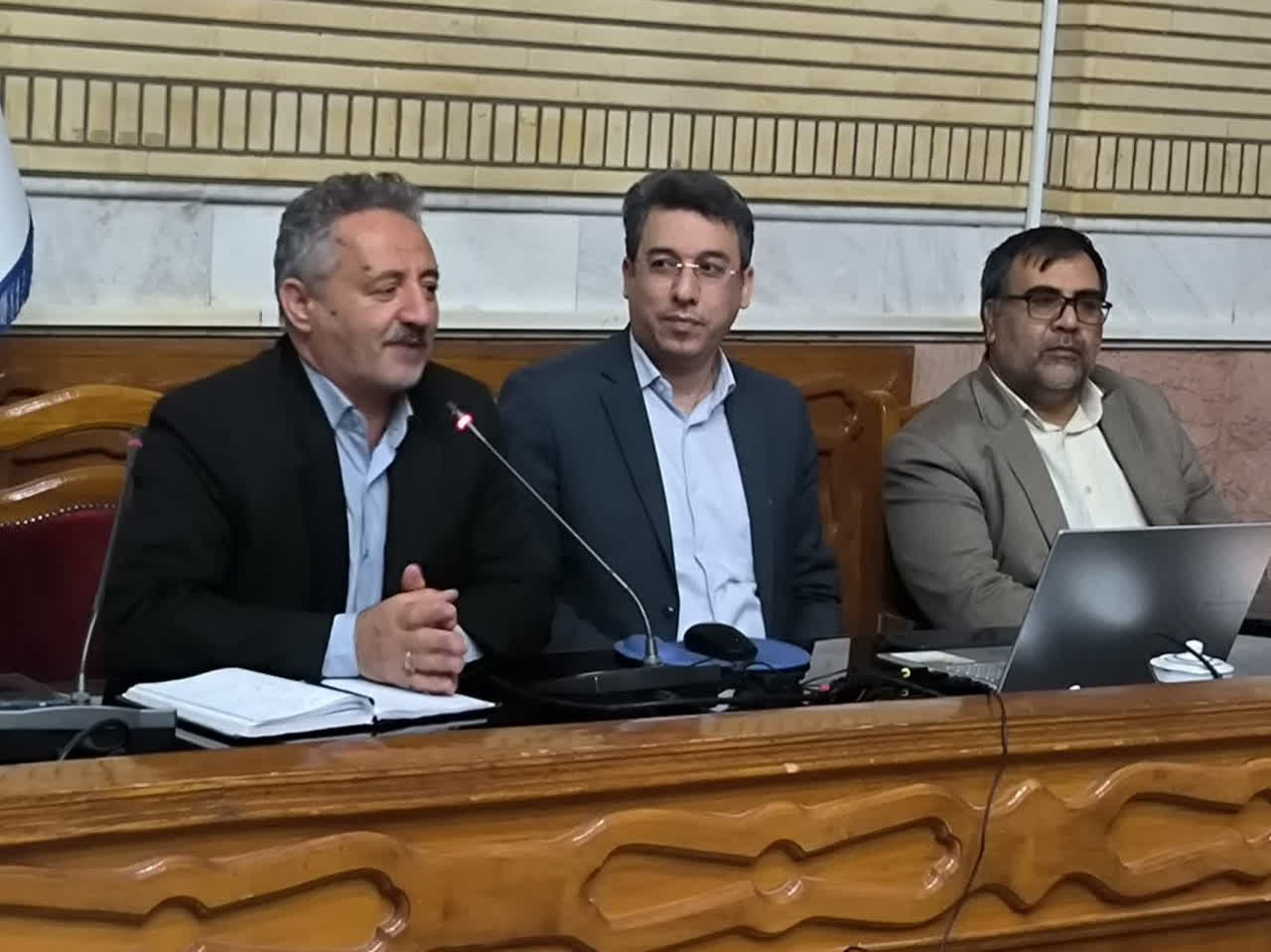
According to the reporter of the Iran Book News Agency (IBNA) in Qom, Mohammad Zarehsaz, during the meeting ‘New Roles of Information Science Specialists in the Age of Information Instability’ held in cooperation with the Central Library and the Department of Information and Knowledge Science of Qom University, stated: ‘Today’s society faces the danger of digital forgetfulness due to the challenges of the digital age. Phenomena such as digital decay, technology extinction, information explosion, and the spread of misinformation with the help of artificial intelligence have caused a large part of our collective knowledge and memory to become gradually inaccessible or invalid.’
Referring to the role of information specialists, he said: ‘In these circumstances, specialists in this field must go beyond their traditional roles and act as data architects, data governance analysts, and intermediaries between humans and artificial intelligence.’
He emphasized: ‘This transformation is not just a choice, but a necessity to maintain the authenticity, accessibility, and security of data in the long term.’
The President of the Iranian Library and Information Science Association, in another part of his speech, emphasized the need for transformation of information institutions in the country and stated: ‘Libraries and information centers in Iran must become digital resilience bases, centers for producing valid knowledge, and defenders of citizens’ information rights. Information science specialists are guardians of truth, builders of the future of knowledge, and architects of collective memory, and this is a heavy responsibility placed upon them.’
The faculty member of Khwarizmi University concluded by stating that the era of digital instability is a historic opportunity to redefine the profession, saying: ‘By playing new roles, we can not only protect the digital memory of society but also preserve it in a dynamic and reliable form for future generations.’
Important events have occurred by the Qom branch of the association
Mehdi Mohammadi, former head of the Iranian Library and Information Science Association’s Qom branch, stated in this meeting: ‘The Iranian Library and Information Science Association established its provincial branches after its activity began post-revolution. Khorasan and Mashhad were the first provinces to activate their provincial branch. The second provincial branch was established in Khuzestan province, and Shiraz and Isfahan were the third and fourth provinces to establish their branches.’
He added: ‘All activated branches were in cities that had a high status in teaching the field. In most of these cities and provinces, librarianship was established at the master’s and doctoral levels, but Qom province was the only province where even the master’s program was not established, and none of the founding members had a doctorate degree; all of them had master’s degrees. However, despite this situation, important events occurred through the Qom branch, including the publication of the book ‘Professional Ethics’.
The Public Relations Manager of Qom University also stated: ‘After the publication of this work, which was the first work in this field, positive changes occurred, and many theses were written in this field, and later this course was included as one of the subjects of this major and is taught today. Following the publication of ‘Professional Ethics’, the book ‘Research Ethics’ was published through the efforts of the Qom branch and Narges Khaleghi, one of the founding members and a member of the board of directors of the first term.’
He finally added: ‘In the following years, the Qom branch was also one of the active branches of the association, but in 1398 (2019/2020), simultaneously with the start of COVID in the country, the Qom association began online activities on Instagram during the closure of physical activities. After COVID, there was a pause in the association’s activities for a while, and today, fortunately, after a period of time, we succeeded in holding this meeting.’