A festival for promoting books in villages and nomadic areas
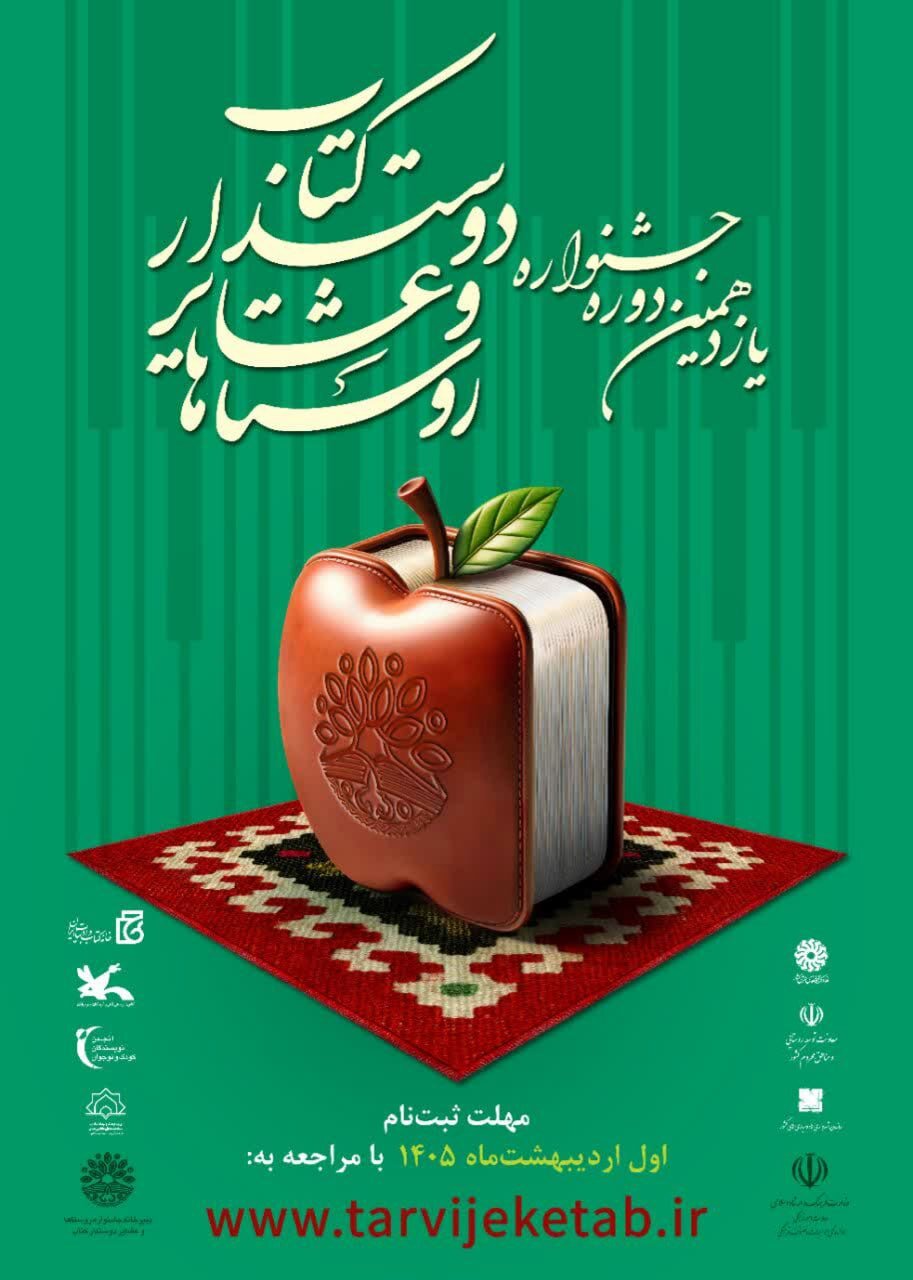
According to Khabaronline News Agency, quoting the public relations of the House of Book and Literature of Iran, the call for the eleventh national festival «Villages and Nomadic Book-Friendly» was announced with the aim of promoting reading culture, strengthening Iranian-Islamic identity, and developing cultural justice in rural and nomadic communities. This round of the festival, designed with a new approach of «Gamification» and aimed at creating a stable, dynamic, and participation-based ecosystem in the field of reading promotion, is held by the Deputy for Cultural Affairs of the Ministry of Culture and Islamic Guidance in collaboration with relevant institutions including the House of Book and Literature of Iran.
Key goals; from institutionalizing study to strengthening local identity
This national event aims to achieve goals such as promoting and institutionalizing reading culture, creating constructive competition and interaction among local communities, strengthening a sense of belonging, cultural ownership, and direct participation of villagers and nomads, as well as identifying, documenting, and expanding effective initiatives in the field of books through new motivational mechanisms. Developing cultural and reading infrastructures in rural and nomadic areas and utilizing the capacity of virtual space and new technologies to promote books are among other emphasized axes of this festival.
Conditions for participation and registration in the festival
Participation in this festival is free for all villages and nomadic communities in the country. The responsibility for the accuracy of registered activities will be on the «project manager» (including the village headman, chairman of the Islamic council of the village, librarian, or trusted person). Applicants can register and upload their activities through the festival’s system at www.tarvijeketab.ir. It is necessary to mention that registered activities must have taken place between Mehr 1404 and late Ordibehesht 1405.





