Bitter Narrative of Tehran; A City with Hundreds of Registered Terror Points
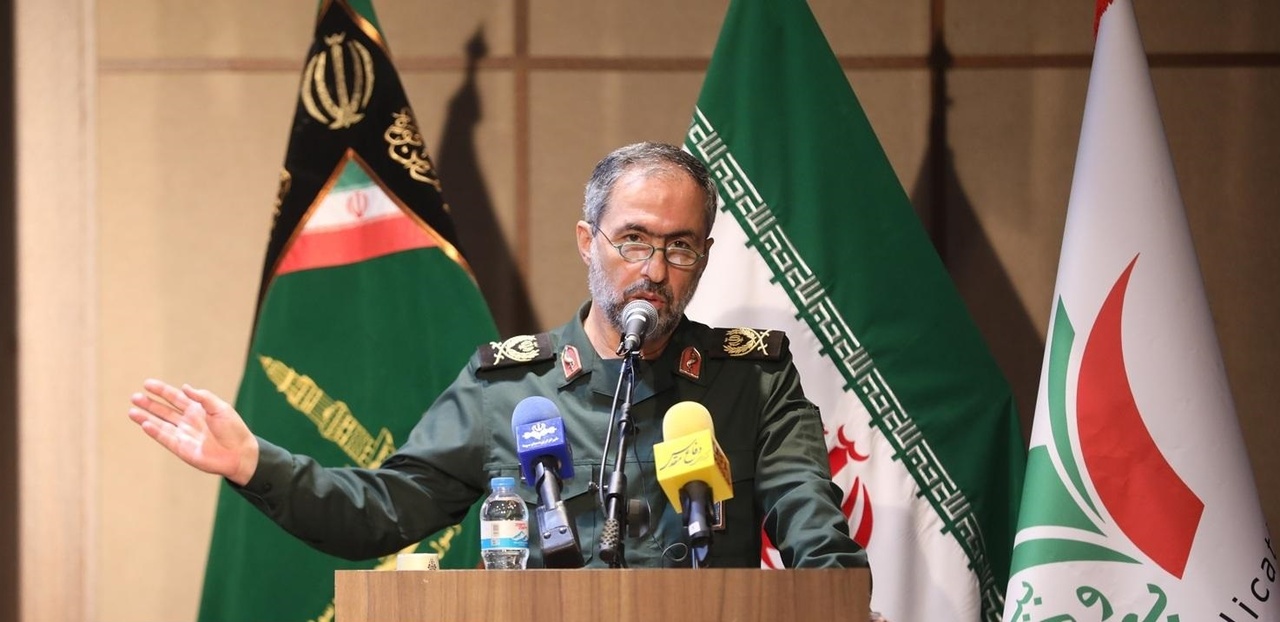
According to the Iran Book News Agency (IBNA), Brigadier General Mahmoud Tavakoli, Deputy Commander of Greater Tehran’s IRGC, spoke at the unveiling of new books by Nashr 27 Be’sat, introducing a new work. He stated: “With the efforts of Nashr 27, a book focusing on the narratives of Tehran’s alleyways has been prepared and will soon be published under the title ‘Atlas of Terror in Tehran’. This book compiles dozens of important terrorist events along with documented evidence and information, and it can serve as a valuable reference for writers, researchers, and activists in revolutionary literature.”
Referring to the widespread nature of terrorist incidents in Tehran, he added: “In Tehran, there are hundreds, even thousands, of similar narratives. In the capital alone, over 600 registered sites exist where terrorist operations, bombings, missile attacks, or explosions were carried out by the Monafeghin (MEK) and agents of global arrogance. In the 1980s, a large explosion occurred in the Naser Khosrow area, opposite the telecommunications building, which martyred or injured over 600 people; a mother and her infant were martyred in the very first minutes. These are the true stories of our city, and unfortunately, examples of such incidents have been observed in some neighborhoods of Tehran this year as well.”
The Deputy Commander of Greater Tehran’s IRGC emphasized the importance of narrating terrorist events based on documents, stating: “The bitter and objective realities of this city are so extensive that they can empower writers to create documented and engaging works.”
Regarding the necessity of informing new generations, he said: “Today, the danger of shifting the positions of criminal and victim is serious. Sometimes, individuals who committed crimes in the 1980s are referred to as ‘Mujahedin’ in some discussions, and this is a result of the power of media and cyberspace. If accurate and documented narration is not done, future generations will come to incorrect judgments about these influential events.”
Brigadier General Tavakoli further elaborated on the role of narration in conveying concepts, stating: “The Holy Quran uses the word ‘Qisas’ (stories) approximately six times, and one-third of its verses are dedicated to narrating historical stories and biographies. According to Allameh Tabatabai, the purpose of storytelling in the Quran is not entertainment, but guidance, growth, and influencing the audience. A story should serve as a lesson and guide the audience to choose the right path.”
He concluded by emphasizing: “All Quranic stories are real, and no fictional elements are found in them; the value and depth of the content itself are sufficient. The same approach should be followed in narrating the contemporary history of Tehran. Today’s teenagers need real and documented narratives more than ever.”





