Public Libraries Become New Base for Quran and Etrat Activities
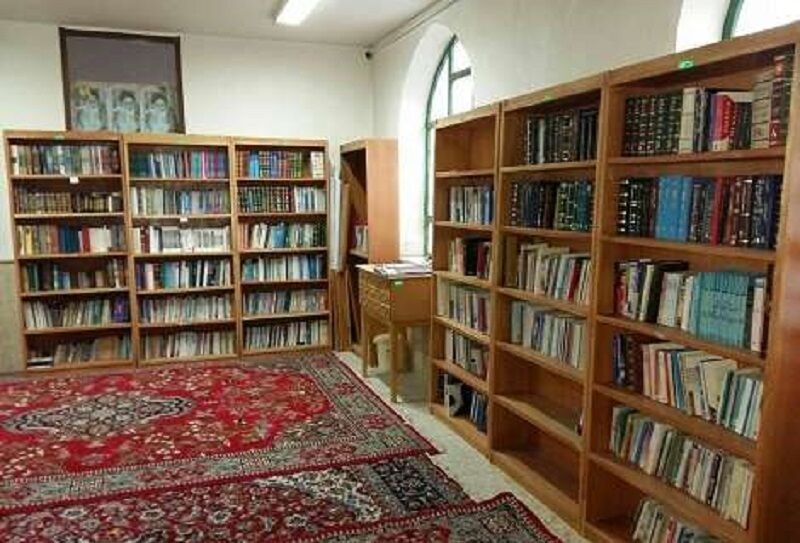
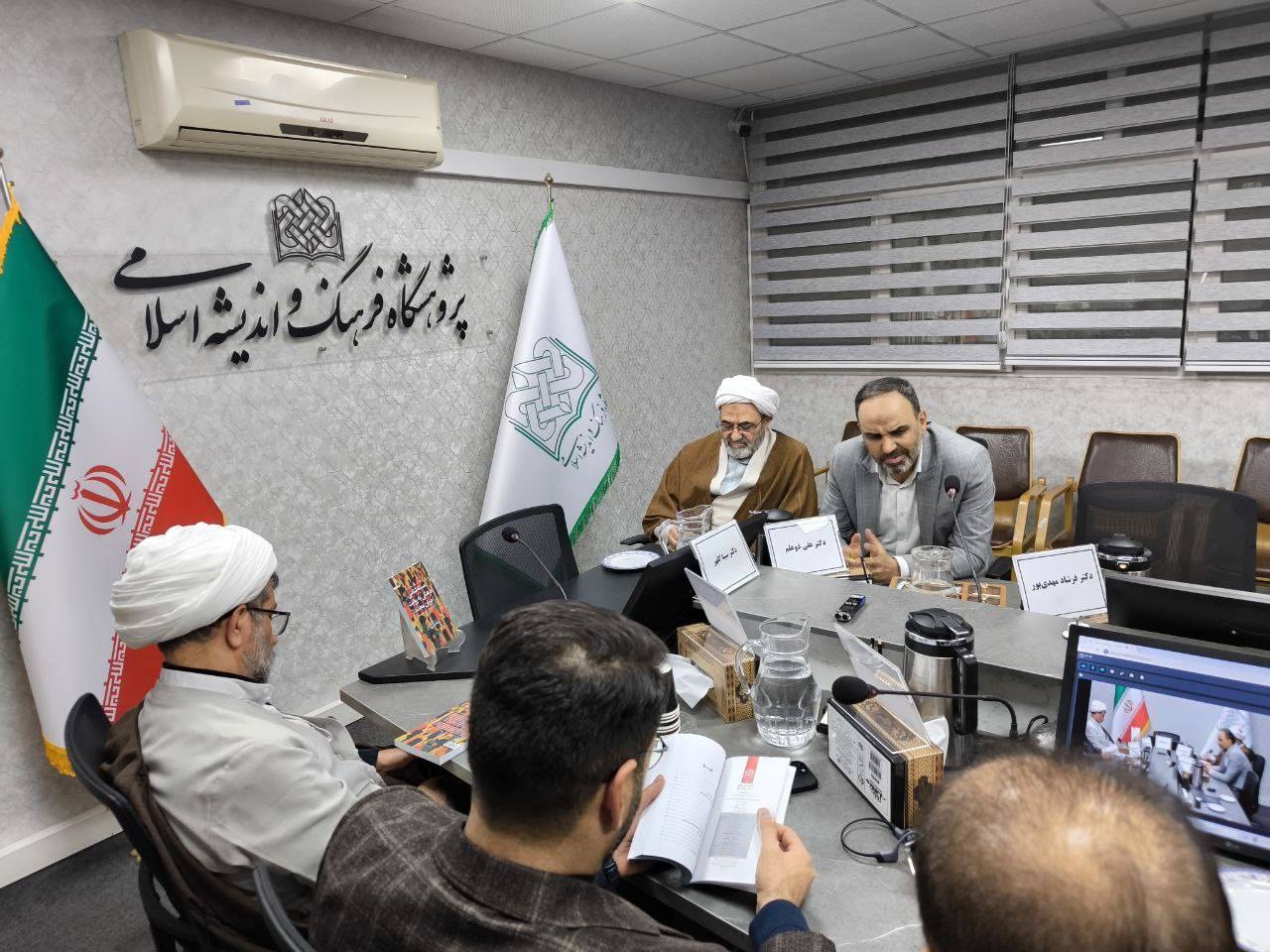
Saeed Majidi, in an interview with the reporter of Iran Book News Agency (IBNA), stated regarding the signing of a memorandum of understanding (MOU) between the Supreme Center for Quran and Etrat and the National Public Libraries Institution: This cooperation MOU was signed in early Aban (October/November). The general goal of this MOU is to create a connection between the cultural bases of the Center and the Libraries Institution. We believe that the Ministry of Culture and Islamic Guidance has three main bases in each neighborhood; one of these bases is the independent and comprehensive network of public libraries across the country.
He continued: In addition, cultural and artistic centers of mosques are the second neighborhood-based and mosque-based centers. Approximately 27,000 centers and coordination headquarters are active nationwide. The third group is the “Quranic Cultural” institutions. The main activity of these institutions, with 2,700 members, is centered on the Quran; of course, we also have other Quranic institutions licensed by other organizations.
Majidi further stated: The main objective and initial idea behind signing this MOU is to leverage capacities through the connection and synergy of centers in neighborhoods under the supervision of the Headquarters of Cultural and Artistic Centers of Mosques and the National Public Libraries Institution. Therefore, if any of these areas have deficiencies, they will cover each other’s gaps. This deficiency might be in programs, space, or audience.
The Director General of Propagation and Promotion of Quran and Etrat Affairs of the Ministry of Culture and Islamic Guidance said: For example, in some neighborhoods, we have a mosque or a “cultural-artistic center,” but no library or Quranic institution; in some neighborhoods, we have a Quranic institution but no library. There are also rare cases where none of these facilities exist. Therefore, implementing this MOU is important for strengthening well-off neighborhoods and addressing shortages in less privileged neighborhoods; the initial idea for this work was formed with this perspective.
Majidi elaborated on the MOU implementation process: In the first and preliminary step, we started with mosque centers. We reached a joint MOU with the National Public Libraries Institution after two to three months of expert meetings; we emphasize establishing a specific connection between “Quranic Cultural-Artistic” institutions and public libraries across the country. This connection will involve programmatic assistance and coverage of various events.
He said: We hope the provisions of this MOU will continue on a broader scale; however, the main effort lies with colleagues in the Directorates General of Culture and Islamic Guidance, specifically the deputies and heads of Quranic affairs groups, and the Directorates General of Public Libraries Institution in different provinces, who must advance this joint work based on the MOU to eventually reach neighborhoods and for this to happen at the local level.
Majidi added: The priorities of these programs include organizing and holding “Quran and Etrat Week” in public libraries. This will serve as a starting point and a popular base, similar to Book Week, which has been institutionalized in libraries. We hope that with existing determination, this event will also become institutionalized, and we will witness the holding of “Quran and Etrat Week” in public libraries across the country. The time for this program will be the 27th of Rajab, the anniversary of Maba’ath (Prophet Muhammad’s ascension) and, in a sense, the birth of the Quran.
He further added: Organizing Quranic galleries with the aim of displaying Quranic works in selected public libraries is among the actions under the MOU. Following this clause of the MOU, the first exhibition was held at Shahr Park Central Library.
The Director General of Propagation and Promotion of Quran and Etrat Affairs of the Ministry of Culture and Islamic Guidance said: Another priority is organizing joint Quranic programs, events, or commemorations. After all, in libraries, which are a hub of intellectuality and cultural and scientific discussions, we can witness more Quranic activities. When we say “Quranic,” we mean Quran and Etrat; God willing, this “Etrat” capacity alongside the Quran will be emphasized with the help of colleagues.
Majidi, emphasizing the social capacities of Quranic institutions, continued: Specifically, institutions licensed by the Quranic Deputy Department operate in five areas, including specialized social counseling; therefore, essential topics of Quranic activities, such as contemplation, recitation, and memorization of the Holy Quran, should be carried out socially.