Shahnameh Emerged from an Oral World
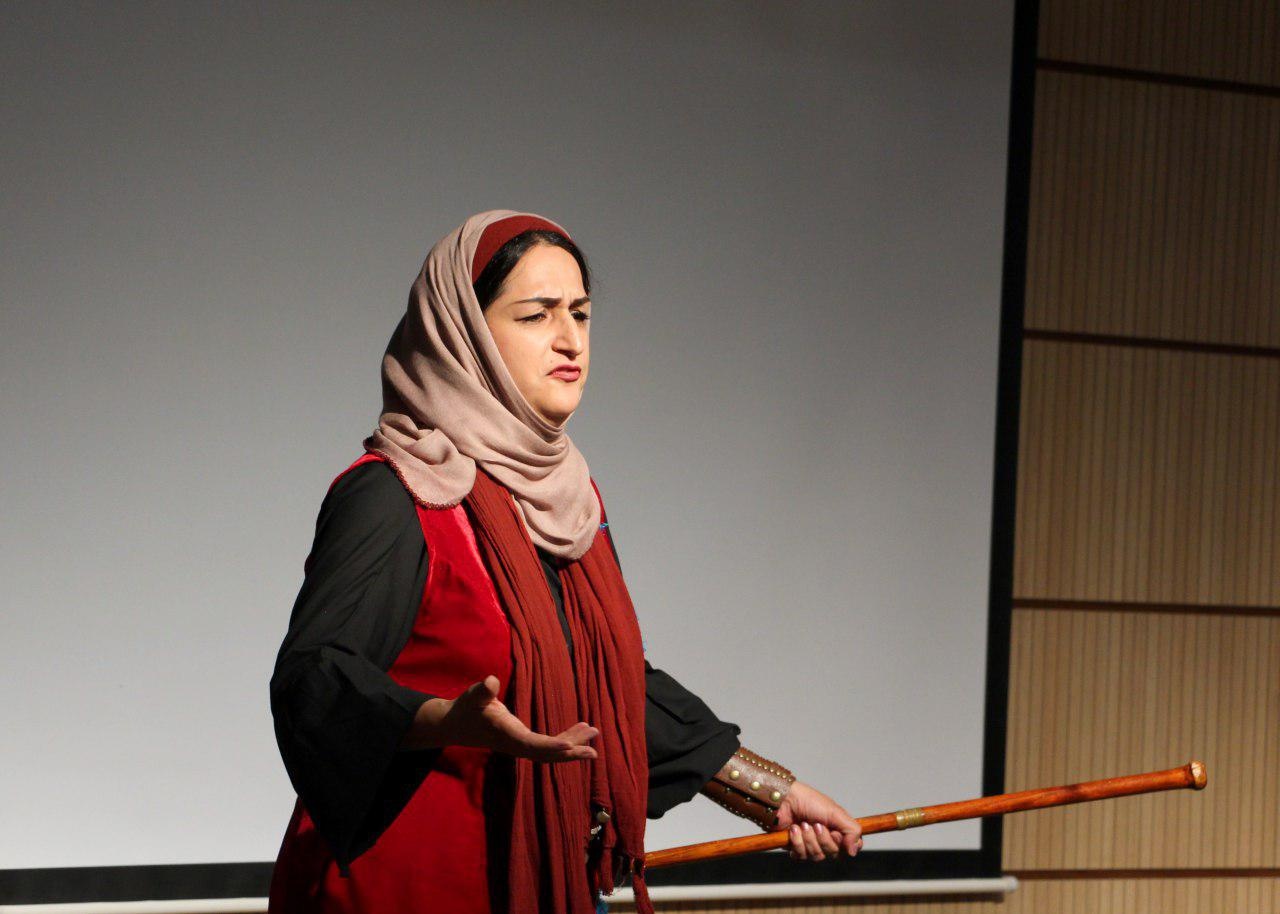
Naqqali is one of the oldest arts of storytelling in Iranian culture; an art that, before epics were versified or written in books, lived in the hearts of narrators and thrived in public squares, coffee houses, caravanserais, and gatherings. The Naqqal is the connecting link between the story and the audience; an intermediary who extracts the soul of the narrative from texts, breathes new life into it, and transforms it into a live performance.
Naqqali goes beyond simple story reading: performance, interpretation, song, physicality, history, and collective memory all intertwine within it. In today’s world, where speed and restlessness have replaced oral transmission traditions, Naqqali remains one of the most important tools for preserving Iran’s cultural and epic heritage; a bridge between a mythical past and a present that needs these roots.
In this perspective, the presence of contemporary Naqqals who are both loyal to tradition and possess a research-oriented approach gains special importance. In this regard, we approached Parisa Siminmehr. She is an Iranian researcher, lecturer, and Naqqal, a literature graduate, and a Ph.D. student in history.
Siminmehr began her activity in the field of Naqqali in the summer of 2001; when she became a student of Seyed Mostafa Saeedi—one of the last survivors of the old generation of Naqqals in Borujerd—and took her first professional steps under his guidance. A year later, in 2002, Siminmehr received two honorary diplomas in acting and Naqqali at the Marivan Traditional Rituals Festival for her performance of “The Tale of Khosrow and Shirin from Nezami to Shahnameh,” and in 2003, she performed Naqqali again at the same festival.
Over the past two decades, she has performed in various countries, including Italy, Germany, Serbia, China, Georgia, and Turkey, and has been an active figure in introducing Iranian Naqqali internationally. Siminmehr completed her training in Ustad Solouki’s school in Karaj and then studied mythology under Ustad Abolghasem Esmailpour.
In recent years, she has taught Shahnameh, history, and mythology, and held Naqqali workshops in various cities. Siminmehr is one of the leading figures in contemporary Naqqali, combining research, education, and performance. Our interview with her follows:
Ms. Siminmehr, what is the position of Naqqali as one of the narrative genres of Persian literature in the literary tradition of Iran?
Naqqali is one of the most fundamental genres of Iranian oral literature. Its earliest forms can be seen in the “Gusans” who, during the Parthian and Achaemenid periods, narrated epic stories accompanied by musical instruments. Therefore, Naqqali is part of our ancient heritage, and what remains of musical Naqqali today is a continuation of that tradition. Naqqali can be considered one of the main pillars of Iran’s oral literature.
Where are the roots of Naqqali in ancient Iranian literary texts, especially in Shahnameh and epic works?
The term Naqqal became popular later in the Qajar period, but the roots of storytelling are much older. From pictorial narration in cave paintings to mothers’ stories for children, all indicate the existence of an ancient tradition for transmitting experience and culture.
In Shahnameh, Ferdowsi repeatedly mentions people like farmers, free spirits, or scholars, stating that he heard certain stories from them. He even sometimes says “the nightingale thus spoke,” which again indicates an oral narrator. This shows that the Shahnameh emerged from an oral world, and Naqqali is present in its roots.
What is the relationship between the language and expression of Naqqali and the literary language and epic poetry of Ferdowsi?
This relationship depends on the period. In the past, since most Naqqals and audiences were illiterate, the language of Naqqali was simple and colloquial. But today, the audience is informed, and the Naqqal cannot speak in a very superficial language.
The Naqqal must use poetry as the noble language of Persian, maintain standard language, avoid vulgar vocabulary, and use colloquial language in explanations. Therefore, the language of Naqqali today is a combination of noble language, standard language, and controlled colloquialism.
From a literary perspective, how does a Naqqal transform a written text into an oral, live narration?
Epic texts are written to be read, but for performance, they must be dramatized. This process includes converting poetry into narrative prose, writing a scroll (tomar) based on the performance structure, and transforming the tomar into a performance through practice and dramatic techniques. In my opinion, Shahnameh is a text for reading, but to be performed, it must go through a process to become a live, theatrical narration.
What has been the presence and role of women in the history of literary narratives and Naqqali? What examples of female Naqqals do we have from the past?
There is no clear written record of female Naqqals in the past because women had fewer opportunities for public presence in society. But my belief is that women were the first narrators in human history; the same mothers who recounted the pictorial narratives of caves—about hunting and survival—to their children.
Symbolic examples include Shahrazad, the storyteller, who used narration as a means of saving her life and a tool for influence. Also, lullabies, children’s stories, and narratives passed down from generation to generation by mothers are a feminine heritage.
During the Qajar period, in women’s gatherings, women told stories or performed humorous anecdotes musically, but no written record of them remains.
What reflections of women’s storytelling or narration are seen in classical Persian texts?
In existing research, no direct reflection of women’s storytelling in classical literary texts is seen, except for examples like Shahrazad. It is probable that women’s role in transmitting stories is much more fundamental than what has been recorded in texts, but a separate study is needed for a more precise answer.
What role does Naqqali play in preserving, transmitting, and recreating the oral heritage of Persian literature?
In the past, grandparents lived with grandchildren, and a large part of culture was transmitted through storytelling. Today, with the fading of these connections and parents’ busy schedules, the chain of transmission has been broken. Naqqals can now be this missing link and transmit cultural narratives to the new generation. If Naqqali is done correctly, it is one of the most important tools for preserving Iran’s oral heritage.
Can Naqqali be considered a kind of interpretive and live reading of literary texts?
Yes, provided that the Naqqal has analytical literacy. A Naqqal can interpret an event from Shahnameh and offer a new reading. But unfortunately, many Naqqalis are just simple narrations and not analyses. Today’s Naqqal must have mythological and epic mastery to provide an interpretive reading; otherwise, they will merely be a narrator of a story.
What direction will future literary research on Naqqali—especially women’s Naqqali—take?
One of the challenges today is that some female Naqqals mistake “epic performance” for “imitating men.” This can lead to a kind of harshness in women’s performances and the loss of feminine delicacy.
Feminine performance can be powerful yet delicate and does not need to imitate men’s linguistic and physical structures. Training should be such that female Naqqals preserve their feminine identity in their narration. The future of women’s Naqqali depends on the attention paid to this issue: preserving feminine identity within the epic.





