Zarei: Hamadan Municipality Cultural Documents are an Untapped Knowledge Resource
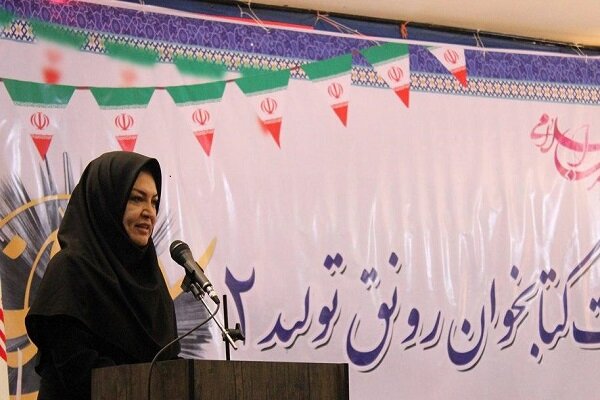
According to Mehr News Agency, Atefeh Zarei stated that Hamadan, one of Iran’s oldest centers of civilization, holds a treasure trove of historical, social, and cultural identity. She emphasized that ‘our actions today will be the lasting documents for future generations, and we must strive to correctly transmit urban identity by understanding its historical value.’
Referring to Hamadan’s historical background in Iranian civilization, she added that this city is not only a carrier of ancient written and cultural heritage, but also the first branch of the National Document and Library Organization of Iran was established in this very province and currently covers five western provinces of the country.
The Director General of the National Document and Library Center of Western Iran stressed the necessity of organizing data in executive bodies, stating: ‘In some areas, including the performance and resolutions of the city council, we face an information gap and a lack of documented sources, which can challenge the decision-making process and historical research.’
Zarei noted that the National Library possesses the country’s national archive, and this capacity must be completed with the trust and cooperation of local authorities to prevent fragmentation in the province’s knowledge chain.
She expressed hope that with the supportive view of the city council and municipalities, a part of this information gap will be resolved by providing cultural, social, and political documents.
The Director General of the National Document and Library Center of Western Iran described the center’s approach as ‘interactive and synergistic,’ adding: ‘The capacity for organizing, evaluating, and disseminating documents exists in this center, and it is ready to organize inactive and archived documents from various bodies and integrate them into the research and analysis cycle.’
Zarei further stated: ‘In the archives of Hamadan Municipality, there are valuable documents in the field of culture and written literature that can serve as an important research source for the province’s future. Therefore, we expect local authorities, especially municipalities, to cooperate more in providing and transferring this information.’
She reminded that cultural documents and their style of writing are considered part of Hamadan’s identity and knowledge capital and can serve as a basis for re-identifying the city’s cultural role in contemporary history.