Women in the Holy Book
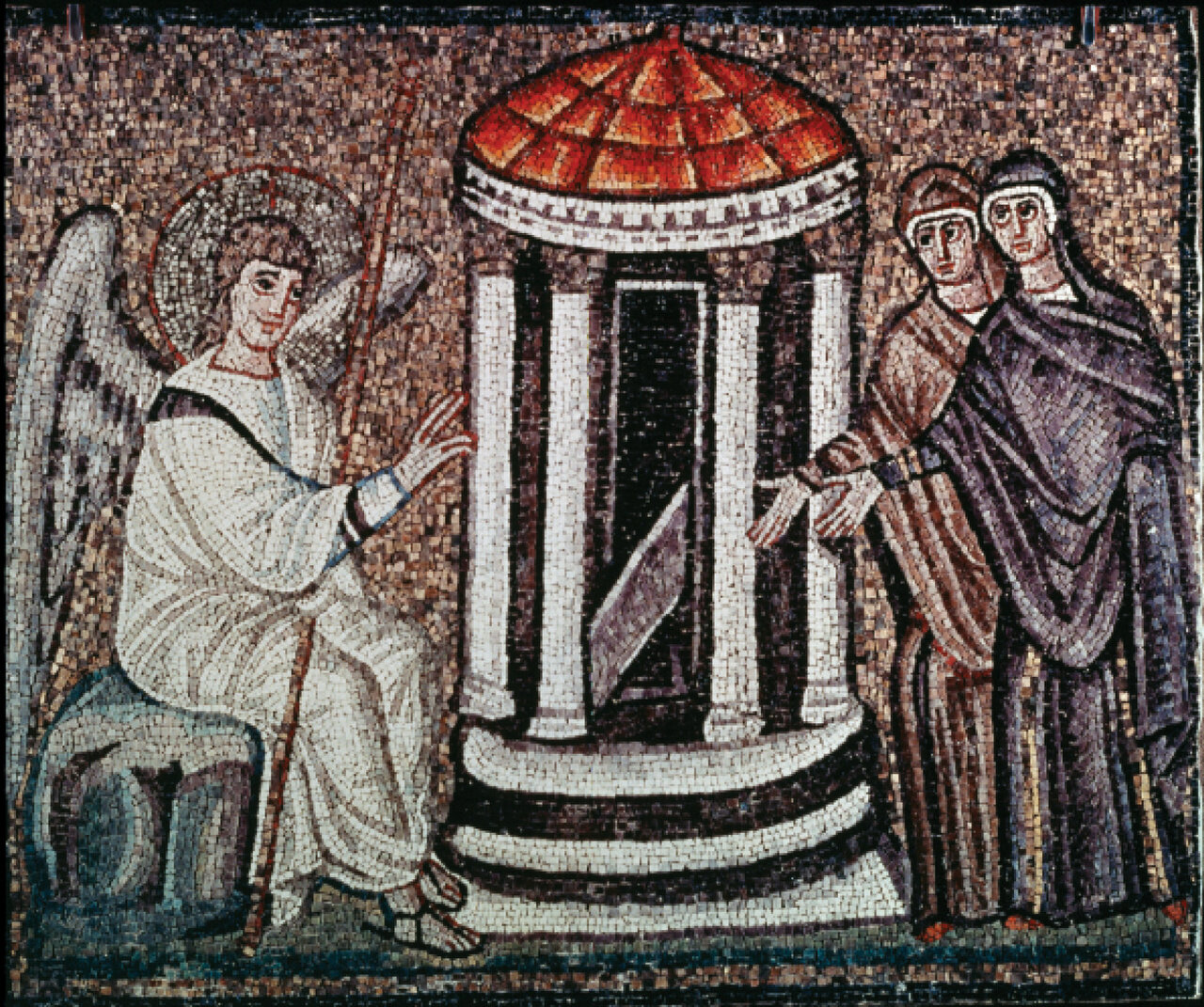
According to Khabaronline News Agency, Mohammad Hassan Abolhasani wrote in Ibna’s religion and thought service: The book “Interpretation of the Old Testament with an Emphasis on Narratives Related to Women” by Nasrin Heidarzadeh Esfahani was published in 250 copies in 1403 by Kavir Publications. The subtitle of this book is “Re-reading the Role and Status of Women in the Torah,” and it offers an 802-page comprehensive study on important women in Old Testament stories and feminist interpretations of the book. The author considers the study of the book effective and useful for several areas: 1) Comparative studies of women’s rights and religions, 2) Comparative studies of Abrahamic religions, and 3) Interpretive studies of the Holy Book. Two major questions are raised in this book: 1) How are women depicted in the Old Testament and Jewish religious texts? and 2) What interpretations do Jewish and Christian researchers offer regarding narratives related to women in the Torah?
The characters of fifteen women are examined in detail in this book: Eve (wife of Adam), Sarah (mother of Isaac), Hagar (mother of Ishmael), Rebekah (wife of Isaac), Leah (wife of Jacob), Rachel (mother of Joseph), Lot’s wife, Huldah (a prophetess), Abigail (wife of David), Esther (wife of Ahasuerus), Queen Vashti (wife of Ahasuerus), Deborah (a prophetess), Miriam (sister of Moses), Zipporah (wife of Moses), Elisheba (wife of Aaron). In addition to the Old Testament, the author has referred to key texts and other Jewish sources such as Halakha, Talmud, Mishnah, Gemara, Midrash, and Minhag.
At the beginning of the book, we encounter a key quote: “Rosemary Radford Ruether, in response to the question of why feminist interpretations of the Bible are necessary, says: The problem is that the voices of women, both religious and non-religious, have never been heard, and for hundreds of years, the only experience used to interpret and explain the Bible was that of men. Feminist interpretations of the Bible were part of women’s liberation struggles because they allowed them, alongside fighting for the recovery of their lost rights, to also believe in the Bible.”
“In fact, feminist interpretations of the Bible are a method for connection and solidarity between religiosity and the realization of women’s rights. These interpretations re-interpret sacred texts and remind both male and female readers that the Bible inherently holds a positive view of women.” This statement can convey the importance of writing such a book.
In the first chapter, titled “Preliminaries,” several foundational topics that likely provide suitable groundwork for entering the book are discussed: religious intellectualism, the necessity of dialogue among Abrahamic religions, the view of Abrahamic religions regarding the term “infidel,” the credibility of the Holy Book from the perspective of Christians and Jews, and an introduction to the history of Judaism. Characteristics for religious intellectualism are enumerated in this chapter, such as offering a refined and revitalizing interpretation of religion, shifting attention from politics to ethics, emphasizing self-sufficient reason, and connecting with modernity.
Furthermore, the author enumerates the commonalities among Jewish, Christian, and Islamic religions and emphasizes the necessity of dialogue among them. The author believes it is not sufficient to view Christianity and Judaism solely from an Islamic perspective, but rather we must understand these religions as their believers and critics understand them. In fact, the beliefs and critiques of members of a religion regarding it are of great importance.
A Woman’s Perspective on the Holy Book
In the second chapter, titled Jewish Feminist Theology, a comprehensive explanation of the necessity and nature of a feminist perspective on the Holy Book is presented. Some experts believe there are two general approaches to feminist biblical interpretation: a) finding passages and quotes that contradict traditional texts, i.e., texts that have led to oppression and discrimination against women, and b) viewing the Bible as a whole, because the book offers a theological method for critiquing patriarchy.
New hermeneutical approaches allow readers of the Holy Book to interpret the text differently than in the past. Historical hermeneutics, literary hermeneutics, and reader-response hermeneutics are important trends in hermeneutics. Feminists use a reader-response approach and challenge traditional Jewish and Christian views on gender relations by highlighting the role of women in the Holy Book.
Janice Moulton believes that one of the egregious mistakes in reading the Holy Book has been that the word “man” was used as a neutral noun to refer to humanity as a general species, but over time, it lost its neutrality and became equated with the male gender. Feminists believe that in traditional theology, the language of God has been likened to male language, men have been presented as more similar to God compared to women, men have been introduced as representatives of God and leaders of the church and society, and women have been introduced as instruments under the control and guidance of men; thus, women, and the female experience and perspective, have disappeared from the Holy Book and been ignored.
Given this situation, feminist interpreters seek to re-examine the role of women in this book and extract arguments against prevailing patriarchy from the Holy Book. Generally, the following roles can be considered for feminist Christian theology: challenging church patriarchy, critiquing the church’s spiritual hierarchy that does not allow women access to ecclesiastical positions, demanding the advancement of women’s status in the church institution, recognizing the equal spiritual and moral capabilities of women and men, emphasizing reproductive rights, integrating and using gender-neutral pronouns in biblical readings, and equality of women and men in family matters and equal relationships between spouses according to the Holy Book.
Characteristics of Women in Judaism
The Old Testament and other Jewish sources mention both positive and negative characteristics for women. For example, a woman is revered as a mother; the fifth commandment of Moses’ Ten Commandments mentions the necessity of honoring parents. In Judaism, the complementary role of man and woman for each other is indicated; in Midrash, it is stated: “He who has no wife has no good, no helper, no blessing, and no bounty.” Similarly, in the Book of Proverbs, we encounter a beautiful description of women: “Who can find a virtuous wife? For her worth is far above rubies. The heart of her husband safely trusts her; so he will have no lack of gain. She will do him good and not evil all the days of her life. She seeks wool and flax, and willingly works with her hands. She is like the merchant ships; she brings her food from afar. She also rises while it is yet night, and provides food for her household and a portion for her maidservants… She is strong and industrious. She attends to matters of buying and selling and works late into the night at home.”
In the Talmud, it is said: “Any man who does not have a wife is not a proper man.” It is also said: “The Blessed Holy One bestowed upon women more understanding and discernment than upon men.” According to the Torah, a Jewish girl or woman must agree to marry a man; therefore, forced marriage is void. Jewish texts refer to women’s greater compassion and sympathy. Huldah was a Jewish prophetess and a relative of the prophet Jeremiah who was summoned by Josiah. In response to the question of why Jeremiah was not summoned but Huldah was, one Jewish commentator referred to women’s compassion and sympathy and suggested that Huldah might offer a kinder prophecy than Jeremiah. The Talmud mentions that women are more faithful than men and possess greater abstinence and piety. Of course, negative characteristics are also mentioned for women, such as talking more, having idle curiosity, or being more superstitious and less resolute.
Concluding Remarks
In other chapters of the book, one or two important female characters in the Holy Book are discussed, with relevant verses and narratives presented along with their feminist interpretations. Studying this book can play an important role in understanding the image of women in the Old Testament and in Jewish and Christian traditions.





