Necessity of Strengthening the Bond Between University and Contemporary Literature / Literary Criticism is the Pillar of Cultural Dynamism

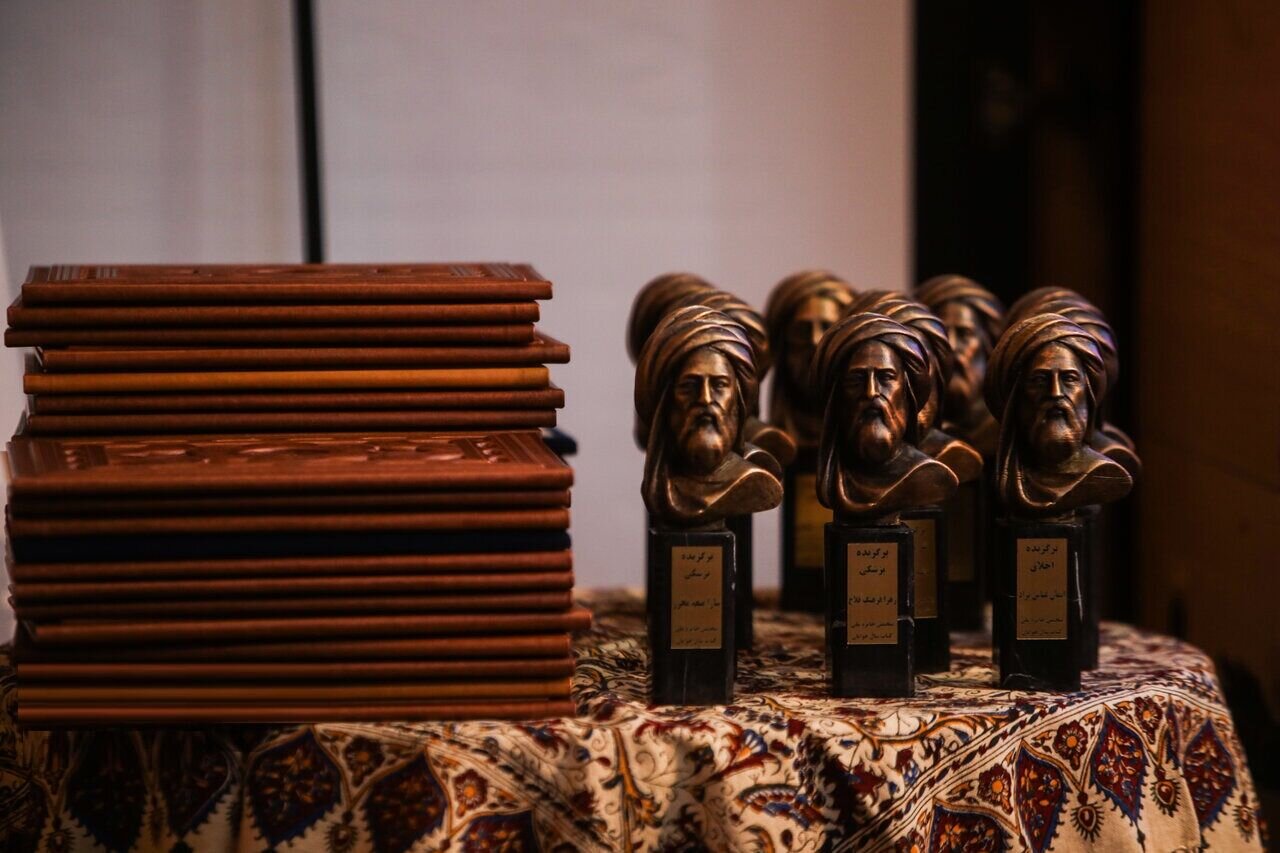
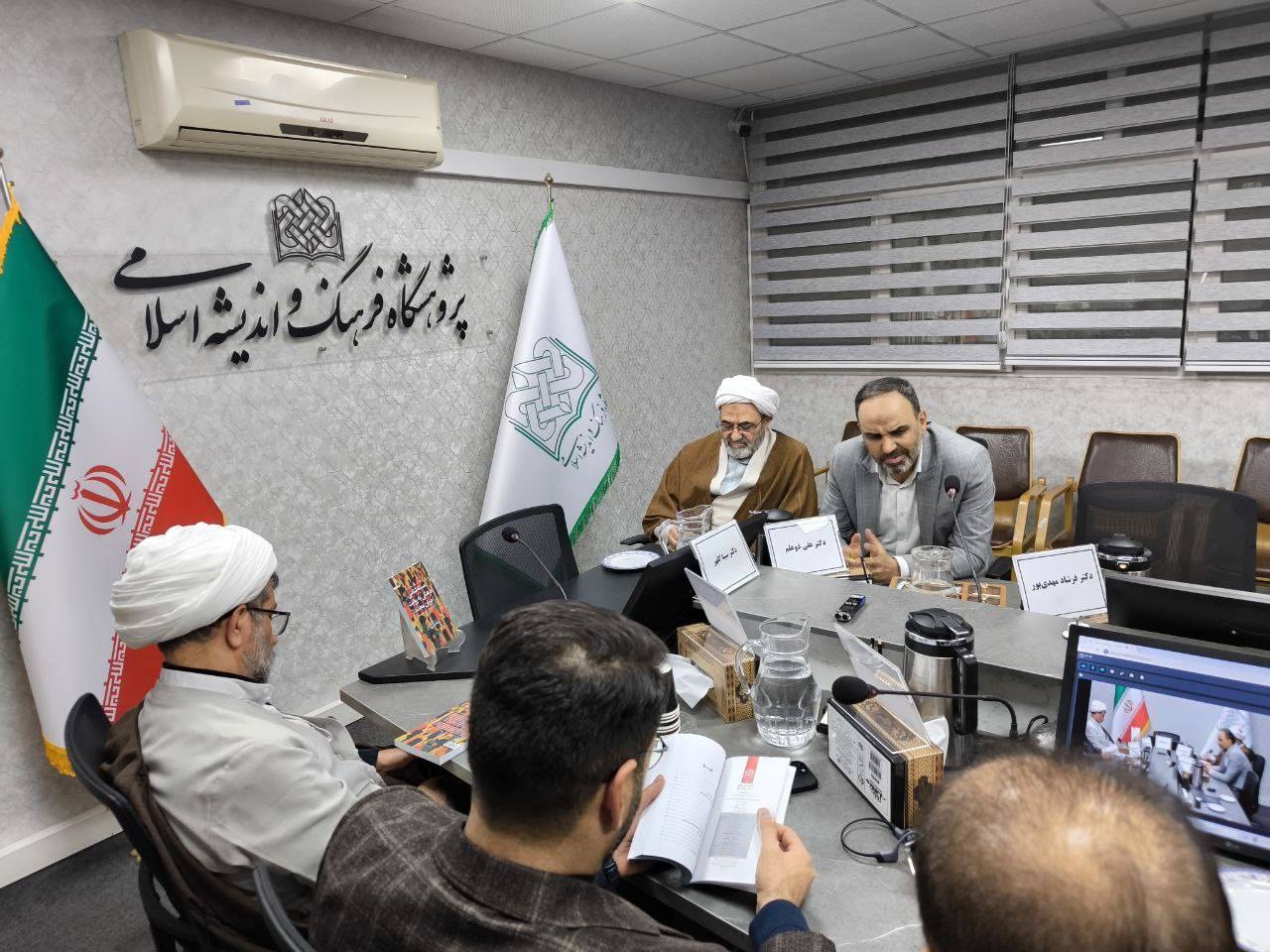
According to the Iran Book News Agency (IBNA), quoting from the Public Relations of the Iran House of Book and Literature, the first meeting of the scientific committee of the 18th Jalal Al-e Ahmad Literary Award was held on Wednesday (November 4, 2025) at the Iran House of Book and Literature. Attendees included Mohsen Javadi, Deputy for Cultural Affairs of the Ministry of Culture and Islamic Guidance; Ebrahim Heidari, CEO of the Iran House of Book and Literature; Ayub Dehghankar, Scientific, Cultural, and Management Advisor to the Deputy for Cultural Affairs of the Ministry of Culture and Islamic Guidance; Majid Gheisari, Scientific Secretary of the 18th Jalal Al-e Ahmad Literary Award; and members of the award’s scientific committee.
Necessity of Reviving Literary Criticism Media
Mohsen Javadi stated in this meeting that it seems the Jalal Al-e Ahmad Literary Award needs strategic contemplation and a long-term plan. He mentioned: “One of the pillars of this path is the stability of the scientific committee. If the scientific committee changes every year, intellectual and strategic continuity will be lost. The continuous presence of members for several years can help with coordination in selecting judges and coherence in the award’s directions. The second point is the necessity of forming an active and lasting secretariat that preserves the history of these discussions and experiences; a place that can maintain the collective memory of the award and preserve the connection between different generations of organizers and winners.”
He added: “In this regard, I suggest creating a network of Jalal Al-e Ahmad Literary Award winners; a network that links writers, critics, and researchers from different periods. This communication can take place through online meetings, communication groups, or regular events and gradually become one of the intellectual arms of the award.”
He referred to feedback and evaluation of the impact of the Jalal Al-e Ahmad Literary Award, stating: “It is appropriate for comprehensive research to be conducted to clarify the role this award has played in various fields; meaning, to what extent has it influenced writing trends in the literary sphere? Economically, has receiving the award made a difference in the circulation and sales of works? And culturally, to what extent has it engaged audiences and activists in the field of literature? Such research can clarify the future path and make decisions more precise.”
The Deputy for Cultural Affairs of the Ministry of Culture and Islamic Guidance emphasized the necessity of expanding the award’s scope to Iranian writers living abroad, saying: “In the field of international activities, the Ministry of Culture and Islamic Guidance, especially in the new era, emphasizes the development of cultural interactions at regional and global levels. Examples such as collaborations with the BRICS Writers’ Union can provide new opportunities for introducing Persian literature.”
He also stated: “The ‘Iklim-e Galam’ (Realm of Pen) program, which is held alongside the Jalal Al-e Ahmad Award, has gained a special position today and may even become more prominent than the main event in the future. This project can be a bridge between education, promotion, and discovery of new talents across the country. Alongside all these, we must simultaneously pay attention to strengthening the bond between universities and contemporary literature and reviving literary criticism media. We, at the Iran House of Book and Literature and the Ministry of Culture and Islamic Guidance, strive to provide supportive platforms while preserving the independence of the literary movement, and we welcome any decision and suggestion presented by you, the cultural figures.”
Literary Criticism Needs to Reconnect with Universities
In this session, Ebrahim Heidari expressed hope for a different staging of this year’s Jalal Award, saying: “I hope that with your effort, dedication, and endeavors, we will witness a distinct and brilliant period for the Jalal Award; a period that truly befits the name of this award and the precious heritage of Persian literature.”
He continued: “First and foremost, I deem it necessary to sincerely thank Mr. Gheisari, who is responsible for the scientific secretariat of the award this year; also, special gratitude to all the judges, executives, and secretaries of previous years who, over the past seventeen periods, have brought this award to a worthy position with diligence and passion.”
The CEO of the Iran House of Book and Literature, noting that the Jalal Al-e Ahmad Literary Award is not just a cultural event but a symbol of our national thought and concern for literature, added: “The Jalal Al-e Ahmad Literary Award is an award that enjoys special sensitivity and credibility among the general public, the cultural community, and even among national officials. Generally, literature in our history has been the foundation of our identity and collective memory, and it is natural that honoring it is honoring Iranian culture and humanity.”
Referring to the works submitted to the secretariat of the Jalal Al-e Ahmad Literary Award, he stated: “According to the secretariat’s report, 3216 works have been submitted to the secretariat of the 18th Jalal Al-e Ahmad Literary Award this period, showing a 27% growth compared to last year. This growth is a sign of hope and dynamism in our contemporary literature. In the novel and long story section, the number of works increased from 1265 to 1531, indicating a growth of about 21%. In the short story collection, we have seen a significant leap from 396 to 596 works, showing over 50% growth. In documentary writing, we also had a 35% growth, but in the literary criticism section, we faced a significant decrease, from 116 works in the previous period to 75 works; this point is an alarm bell that needs careful examination.”
Heidari continued: “In my opinion, this decline in the criticism section indicates a weakness in the connection between the award and universities, research centers, and academic institutions. Criticism is the backbone of literary growth. Without criticism, literature turns into one-sided narratives. Therefore, it is essential to strengthen this scientific and research bond and make greater use of the capacities of universities and young critics. I suggest forming a committee to investigate this issue to accurately pinpoint the roots of this disconnect.”
He mentioned that alongside the Jalal Award, the “Iklim-e Galam” (Realm of Pen) storytelling program, held concurrently with the North Khorasan Book Fair, proved to be a successful experience, stating: “Despite all limitations and difficulties, this program was held in Bojnourd with the participation of over 100 students from eight provinces and had a positive impact. We hope this experience will be repeated in several other regions next year and become a platform for discovering new talents and promoting a culture of writing.”
The CEO of the Iran House of Book and Literature added: “Another point I must emphasize is the issue of supporting the winners. Selecting a work is not the end; it is the beginning of the journey. It is necessary to provide material and spiritual support for the selected works in cooperation with other institutions, which includes introducing and offering these works at book fairs, sales platforms, and cultural programs. In my opinion, the selected work should be seen, read, and become an inspiring model for future generations of writers.”
Ebrahim concluded his remarks by saying: “I ask you, learned professors, with the same critical and compassionate perspective you have always had, to help us in reviewing the methods, structures, and other aspects of this award. Has the time not come to rethink the processes, judgments, and thematic policies of the award? These decisions are ultimately in your hands, and I am confident that with your cooperation and ideas, the Jalal Al-e Ahmad Award can achieve its rightful place in the world of literature more than ever. I thank you all and wish that the outcome of these deliberations will be a new step towards the advancement of Iranian literature.”
Necessity of Attention to Strategy in the Jalal Award Field
Majid Gheisari also stated in this meeting, referring to the “Iklim-e Galam” (Realm of Pen) period held in Bojnourd: “Both in terms of atmosphere, students, and the energy prevailing in the group, it was truly one of the most unique workshops we have held to date; in this program, the presence of Mr. Mahmoudi Iranmehr, Mr. Rambod Khanlari, and other friends, alongside a group of one hundred eager students from various provinces, especially North Khorasan and Sistan and Baluchestan, created a fresh and inspiring experience.”
He added: “What was striking for me in this meeting was the enthusiasm of the participants. In previous periods, it sometimes felt that attending these sessions was a habit for some, as the faces were repetitive and motivation was less visible. But this time, we saw new faces; energetic young people who were thirsty for learning and reading, and had great eagerness to listen and read. When we were present in the classes, they read stories with enthusiasm and asked precise questions. I believe this difference is the result of a smarter selection process carried out this year. If this process continues in other provinces, it can have a lasting impact on the country’s literary body. However, if the sessions are merely held in a ritualistic or symbolic manner, in my opinion, they will not yield favorable results.”
Gheisari identified one of the vulnerable points of the Jalal Al-e Ahmad Award as the lack of continuity in its scientific committee structure, stating: “In my opinion, the scientific committee should have a four-year term so that it can create stability in understanding literary trends, selecting judges, policymaking, and the award’s direction, thereby forming a long-term strategy.”
The Scientific Secretary of the 18th Jalal Al-e Ahmad Literary Award concluded his remarks by saying: “In my opinion, the scientific committee can be the axis of this continuity. In this regard, regular seasonal meetings, criticism and translation sessions can be held, and direct communication with academic and cultural institutions can be established. If the scientific committee transforms into a continuous and stable movement, it can be hoped that the Jalal Al-e Ahmad Literary Award will transcend being merely a literary event and become a living and influential institution in the country’s cultural landscape.”
From Root Cause Analysis of Declining Literary Criticism to Making Iran a Reference for Producing Persian Language and Literature Works
Also present at this meeting were Ghasemali Farasat, Majid Aghaei, Masoud Kowsari, Kaveh Mirabbasi, Zahra Zavarian, Khosrow Babakhani, Shiva Moghanlou, and Mohammad Keshavarz, who emphasized the following topics:
- Continuity of activities of the scientific committee members of the Jalal Al-e Ahmad Literary Award
- Attention to Persian works from Afghanistan and Tajikistan
- Necessity of reviewing the formats of literary criticism, short story, documentary writing, novel, and long story
- Necessity of attention to Iranian women writers
- Necessity of attention to global literary awards
- Creating a roadmap in connection with the central core of Persian language and literature
- Transforming Iran into a reference for creative production in the field of Persian language and literature
- Attention to youth involvement among judges, especially in the fields of novel and short story
- Root cause analysis of the decline in literary criticism
- Support for novels and stories
- Necessity of including judges with different perspectives