Literary Criticism is the Pillar of Cultural Dynamism
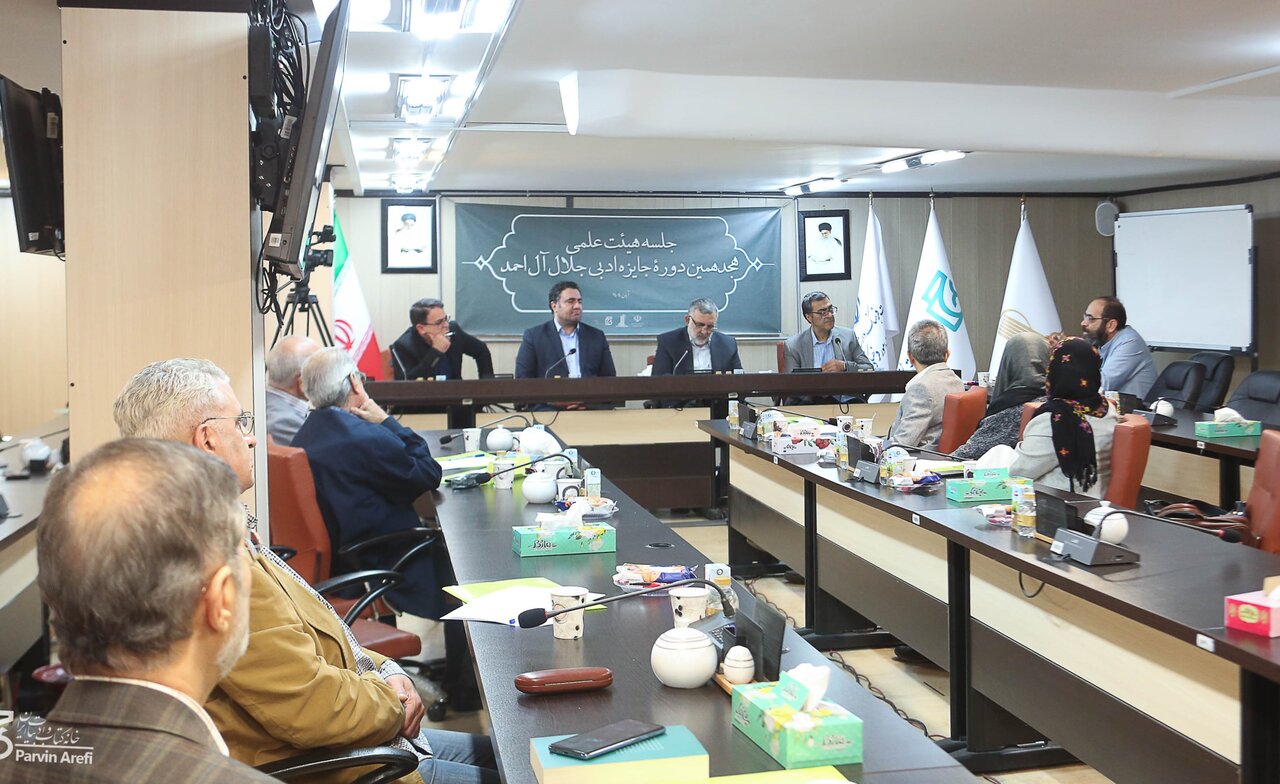
According to Mehr News Agency, this indicates the weak link between the award and universities, research centers, and scientific institutions. Criticism is the backbone of literary growth. Without criticism, literature turns into one-sided narratives. Therefore, it is essential to strengthen this scientific and research link and to utilize the capacities of universities and young critics more than ever. I suggest forming a committee to analyze this issue to accurately identify the root causes of this gap.
He stated, referring to the "Ighlim Qalam" storytelling program, which was held concurrently with the North Khorasan Book Fair alongside the Jalal Award, that it marked a successful experience. Despite all limitations and difficulties, this edition was held in Bojnourd with the participation of over 100 students from eight provinces across the country and received positive feedback. We hope this experience will be repeated in several other regions next year, becoming a platform for discovering new talents and promoting a culture of writing.
The CEO of the Iran Book and Literature House added: Another point I must emphasize is the issue of supporting the winners. Selecting a work is not the end of the journey; it is the beginning. It is necessary to provide material and spiritual support for the selected works in cooperation with other institutions, including introducing and offering these works at book fairs, sales platforms, and cultural programs. In my opinion, the selected work should be seen, read, and become an inspiring model for future generations of writers.
Ebrahim concluded his remarks by saying: I ask you, esteemed professors, to assist us in reviewing the methods, structures, and other aspects of this award with the same critical and compassionate perspective you have always had. Hasn't it come time to rethink the processes, judging, and thematic policies of the award? These decisions are ultimately in your hands, and I am confident that with your cooperation and thought, the Jalal Al-Ahmad Award can reach its rightful place in the world of literature more than ever. I thank all of you and wish that the outcome of these discussions will be a new step towards the advancement of Iranian literature.
The Necessity of Attention to Strategy for the Jalal Award
Majid Gheysari also stated at this meeting, referring to the "Ighlim Qalam" program held in Bojnourd: Both in terms of atmosphere and the participants and the energy prevailing in the group, it was truly one of the most distinctive workshops we have held to date; in this program, the presence of Mr. Mahmoudi Iranmehr, Mr. Rambod Khanlari, and other friends, alongside a group of one hundred eager students from various provinces, especially North Khorasan and Sistan and Baluchestan, created a fresh and inspiring experience.
He added: What was striking for me in this meeting was the enthusiasm and eagerness of the participants. In previous periods, it sometimes felt that attendance at these sessions was out of habit for some because the faces were repetitive, and less motivation was observed. But this time, we saw new faces; energetic young people who were thirsty for learning and reading, and had great enthusiasm for listening and reading. When we were present in the classes, they eagerly read the stories and asked precise questions. I believe this difference is the result of a smarter selection process carried out this year. If this process continues in other provinces, it can have a lasting impact on the country's literary body. However, if the sessions are held merely as ceremonial or symbolic events, I believe they will not yield desirable results.
Gheysari identified a vulnerable point of the Jalal Al-Ahmad Award as the lack of continuity in its scientific board structure and stated: In my opinion, the scientific board should have a four-year term to be able to create stability in the selection of judges, policymaking, and the direction of the award, while better understanding literary trends, so that a long-term strategy can be formed.
The scientific secretary of the 18th edition of the Jalal Al-Ahmad Literary Award concluded his remarks by saying: In my opinion, the scientific board can be the axis of this continuity. In this regard, regular quarterly meetings, criticism and translation sessions can be held, and direct communication can be established with scientific and cultural institutions. If the scientific board becomes a continuous and stable movement, it can be hoped that the Jalal Al-Ahmad Literary Award will transcend a mere literary event and transform into a vibrant and influential institution in the country's cultural landscape.
From Tracing the Decline of Literary Criticism to Making Iran a Reference for Persian Language and Literature Production
Also present at this meeting were Ghasemali Farasat, Majid Aghaei, Masoud Kowsari, Kaveh Mirabbasi, Zahra Zavarayan, Khosrow Babakhani, Shiva Moghanlou, and Mohammad Keshavarz, who emphasized the following topics:
- Continuity of the activities of the scientific board members of the Jalal Al-Ahmad Literary Award
- Attention to Persian works from Afghanistan and Tajikistan
- Necessity of reviewing formats of literary criticism, short stories, documentary writing, novels, and long stories
- Necessity of attention to Iranian women writers
- Necessity of attention to global literary awards
- Creating a roadmap in connection with the central core of Persian language and literature
- Transforming Iran into a reference for creative production in the field of Persian language and literature
- Attention to youthfulness among judges, especially in the fields of novels and short stories
- Tracing the decline of literary criticism
- Support for novels and stories
- Necessity of judges with diverse perspectives





