Kish on the Path of Regeneration and Finding New Routes for Sustainable Tourism and Investment
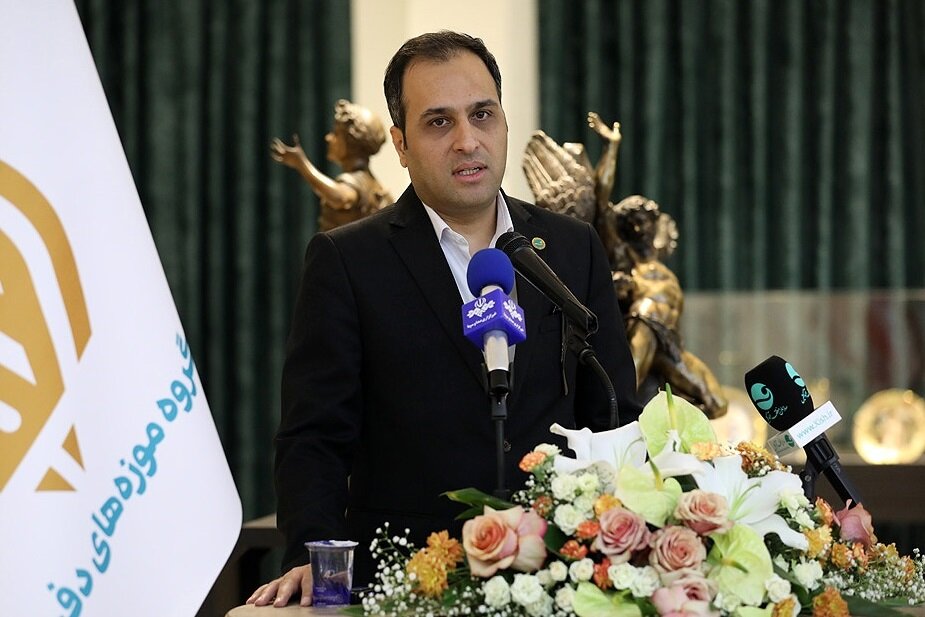
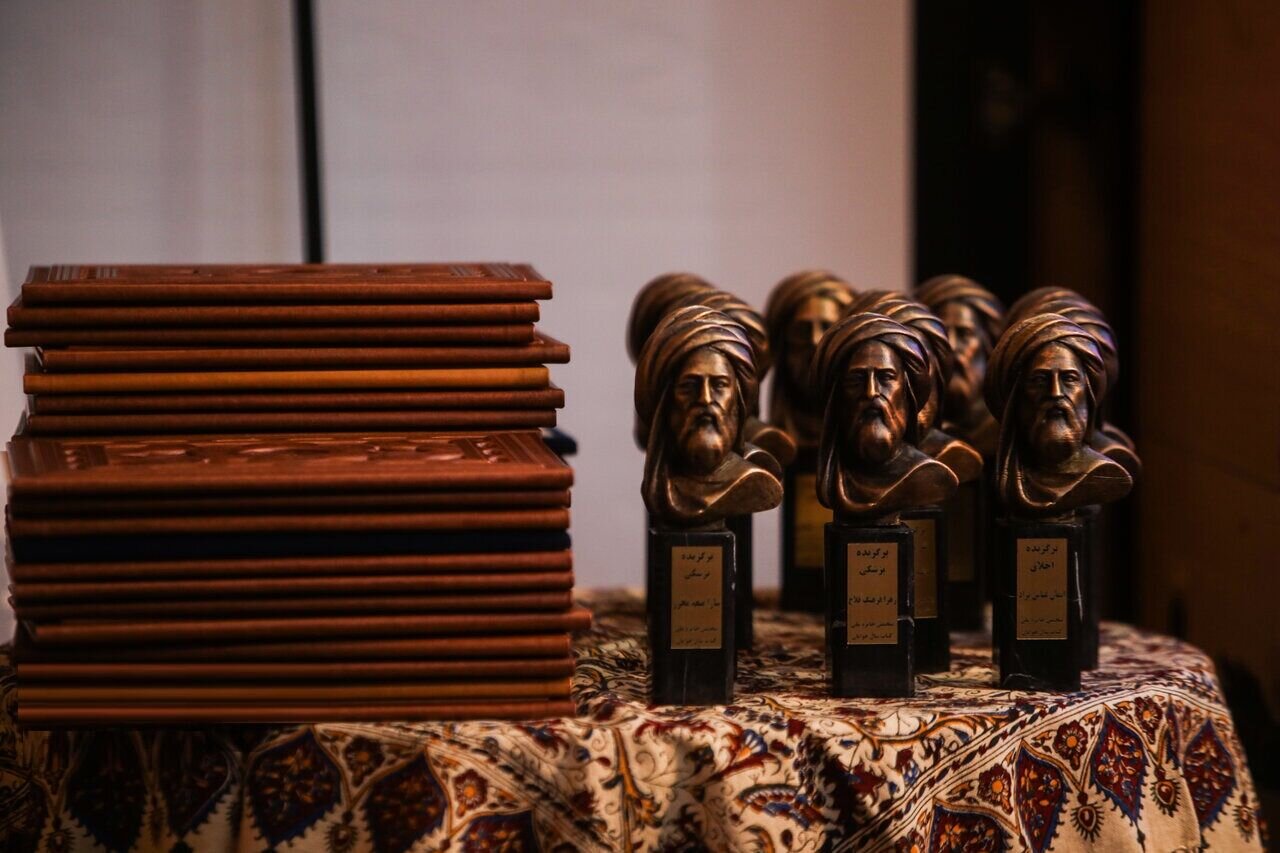
According to Khabaronline News Agency from Kish, Ali Hasanlou, at the unveiling ceremony of the book ‘Artworks of the Millennia of Art Museum’ of Kish Island, stated that Kish is no longer an island that attracts any type of investment without a clear direction. He added: ‘The island now requires a targeted approach in attracting investors and creating new developments in the tourism sector to attract elite tourists.’
He continued: ‘Based on the island’s sustainable tourism transformation plan, our new focus is on qualitative tourism; because global experience has shown that mass tourism, although initially providing economic benefits, can even lead to economic losses and environmental damage in the long run.’
Hasanlou clarified: ‘The island’s environment is an irreplaceable asset, and if damaged, it will be irreparable. Therefore, we aim to attract a type of tourism that aligns with the sustainability and preservation of the island’s natural and cultural heritage by introducing a new narrative of Kish.’
The Deputy Head of Tourism of Kish Free Zone Organization, referring to the island’s historical background, stated: ‘Kish is not an emerging island; rather, it has risen from the depths of history. Despite the common perception of Kish as a luxurious and newly established island, this region has always been important throughout history and has been known as a center of power and trade in various periods.’
He reminded that archaeological excavations in Kish continued last year, coinciding with Nowruz holidays, and will persist this year. Additionally, eight intangible heritage sites of Kish Island have been registered, and this process should continue with the aim of reviving the island’s cultural assets.’
According to Hasanlou, Kish’s historical buildings and heritage structures have the potential to be transformed into cultural and artistic centers.
He added: ‘In the third generation of tourism, which the World Tourism Organization also emphasizes, experience is one of the key concepts, and today, the experience economy has gained global attention as an economic theory.’
He pointed out, referring to the model of redefining civilizations through cultural narrative creation: ‘Historical civilizations that lagged behind modern development are now being revived by re-narrating their heritage. Return on investment in tourism is no longer limited to infrastructure but is made possible through cultural and media narrative creation.’
Hasanlou, emphasizing the unique characteristics of Kish Island compared to other regions of the country, said: ‘Visa-free travel is one of the island’s great advantages, which can pave the way for holding international cultural and tourism events.’ He expressed readiness to cooperate in transforming Kish into an experience-centric tourism hub in the region.
Following this ceremony, the CEO of Parsian Tourism and Recreation Centers Holding, at the inauguration of the Kish Museum, emphasized the role of museums in sustainable tourism development and said: ‘Museums are one of the important and golden infrastructures of tourism that, in addition to displaying historical artifacts, carry the cultural and social narratives of nations.’
Mohammad Hossein Pourtaghi, stating that tourism cannot develop without adequate infrastructure, added: ‘One of the country’s serious challenges in this sector is the lack of tourism infrastructure. Fortunately, in recent years, more attention has been paid to this section, and we see an example of it in this valuable initiative and the establishment of several new museums in Kish.’
He stated: ‘In many countries, tourism development is seriously and comprehensively pursued. We, too, in Iran, with a national perspective and precise planning, especially on Kish Island, must strengthen these infrastructures to be ready to attract a wide range of domestic and foreign tourists.’
Pourtaghi, referring to the details of the new Kish Museum, stated: ‘In this collection, 332 artistic and historical works have been gathered so that visitors, in addition to enjoying the island’s recreational attractions, have an opportunity to become familiar with Iran’s cultural heritage and visual narratives. Also, for the first time in the Foundation’s museums, the existing works have been cataloged, documented, and published as a book so that researchers and enthusiasts can use it as a study source.’
The CEO of Dafineh Museums Group, in continuation of the ceremony, emphasized the modern role of museums in today’s world and said: ‘In the contemporary world, museums are no longer cemeteries for objects but have transformed into centers of interaction, movement, education, and cultural and social activities.’
Hamidreza Soleimani, referring to the achievements of the Dafineh Group last year, added: ‘In the past year, eight new museums have been added to the country’s museum collection. In each of these museums, an international academy has been established for training, experience transfer, and knowledge, which is considered a very valuable and lasting event in the country’s cultural development path.’
Soleimani, expressing gratitude for the cooperation of Kish Free Zone Organization in implementing this project, said: ‘The first partnership model in the country’s museology sector was formed with the cooperation of the Free Zone Organization. I would like to thank the CEO of Kish Free Zone Organization, who played an effective role in this path.’
The CEO of Dafineh Museums Group added: ‘This successful experience led governors and cultural officials of provinces such as Isfahan and Ilam to express interest in utilizing this model. We welcome the development of such collaborations and believe that Kish Island can become the starting point for new artistic and cultural activities in the country.’
Soleimani, emphasizing the importance of preserving and caring for cultural spaces, said: ‘The Kish Museum space is a distinguished and valuable space that should be appreciated, and efforts should be made for its vibrancy and continuity of activities. I hope this museum becomes a venue for cultural, artistic, and educational programs and activities.’
Following this ceremony, the Head of the National Committee of Museums of Iran (ICOM), referring to Kish’s historical background, stated: ‘This island was part of the Maritime Silk Road, extending from the coasts of China to the southern coasts of Iran. The new museum is a sign and representation of this historical connection; a connection that not only had economic and commercial aspects but also created a cultural link between nations.’
Ahmad Mohit Tabatabai added: ‘Before the Arabs of the Persian Gulf settled in this region, there was a historical and deep-rooted culture in this area, which included people from East Africa, Southern Arabia, and the Persian Gulf coasts. This civilizational sphere is considered one of the oldest and most authentic maritime civilizations, which has preserved its fundamental works and values to this day.’
Mohit Tabatabai, referring to Kish’s historical status in ancient Persian texts, said: ‘In Saadi’s Golestan, Kish port is also mentioned as an important commercial center in the sixth and seventh centuries. This island is also present in Iranian stories and legends, and in fact, it is the only place where some of these mythological narratives have materialized in the geographical reality of Iran.’
The Head of the National Committee of Museums of Iran continued: ‘Kish has long been a center of maritime trade and cultural exchange. This coral island, as a point of coastal and international civilization, has unique characteristics, and now, with the establishment of the Millennia of Art Museum, it can become a center for recognizing Iran’s maritime and civilizational cultural heritage.’
Mohit Tabatabai, referring to some of Kish’s architectural symbols and spaces such as Shayan Hotel and traditional markets, added: ‘These structures and spaces are derived from the region’s historical and indigenous identity and should not damage the island’s cultural authenticity by copying other examples. The building of the Millennia of Art Museum, with its unique design, has become one of the island’s sustainable assets.’
He, emphasizing the role of museums in sustainable development, said: ‘One of the indicators of development in today’s world is the attention given by urban and regional managers to museums. Environmental preservation, cultural strengthening, and attention to women and children are considered key pillars of cultural development. For example, a country whose government has spent over 1.5 billion dollars on building a museum has actually invested in its cultural future.’
Mohit Tabatabai, referring to Kish’s exceptional capacities, clarified: ‘This island is one of the few regions that has largely preserved its historical past. Today, museums, music, handicrafts, and indigenous art are all marketable as Kish’s cultural souvenirs.’
He concluded his remarks by saying: ‘I hope that visiting the Millennia of Art Museum will be enjoyable for everyone, and this collection will be considered a cultural, not just economic, asset for the island. Kish Free Zone has taken an important step towards sustainable cultural development with such actions.’