“Daughter of the Fire Camp” Plagued by Linguistic and Historical Inaccuracies

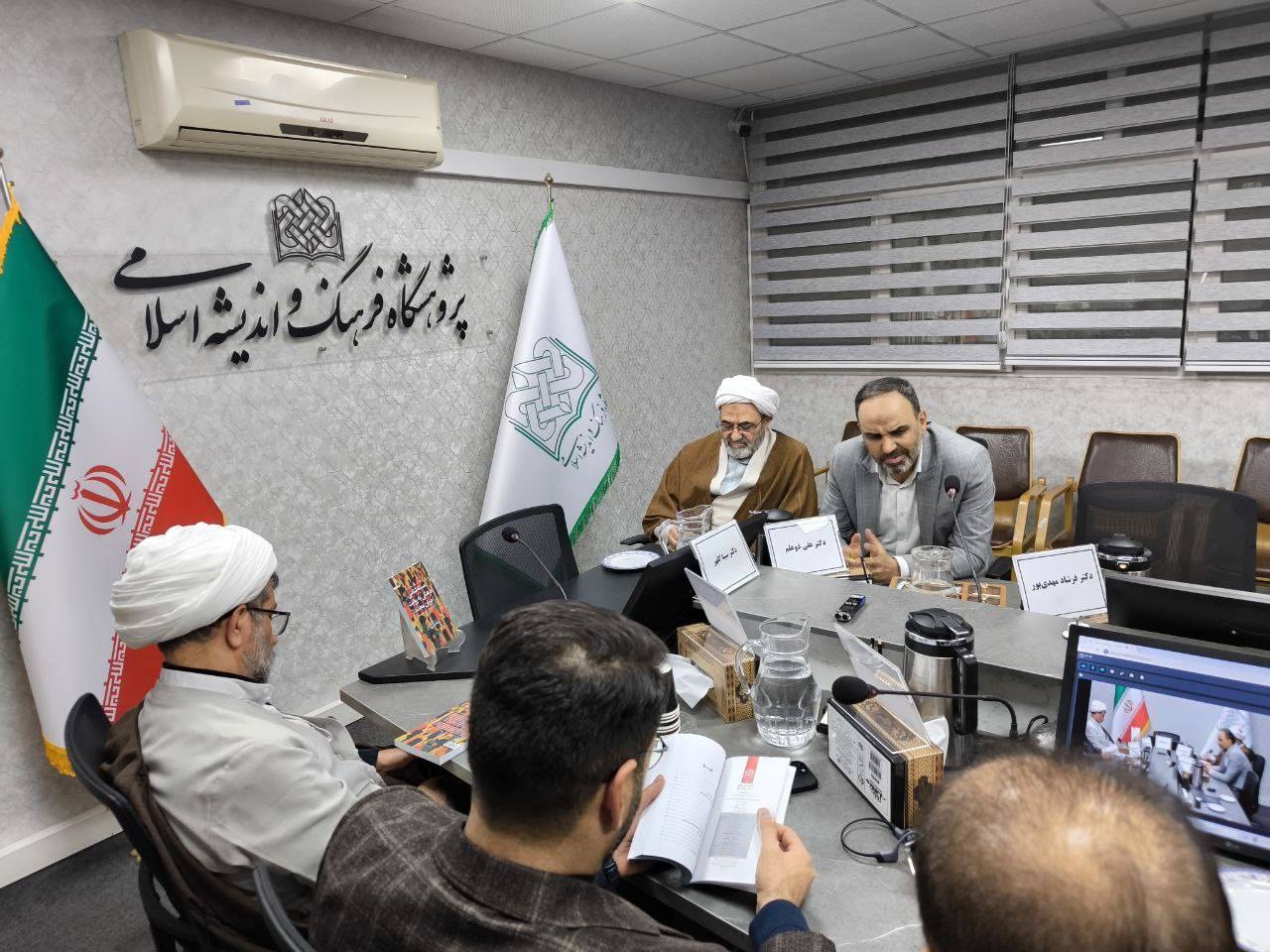
A review session for the novel “Daughter of the Fire Camp” by Zahra Saqafi was held at the Book Critics Club of the Book House Institute. The session focused on examining the historical and linguistic aspects of the work, which chronicles the life of Imam Reza, the eighth Imam of Shia Islam.
Mohammad Reza Saeedi, a literary critic, stated: “Historical novels, especially those concerning religious figures, demand meticulous research and adherence to historical facts. Any deviation can lead to misinterpretations and historical distortions. ‘Daughter of the Fire Camp’ shows promise, but it suffers from several linguistic and historical inaccuracies that need to be addressed.”
He further elaborated: “For instance, certain anachronisms in language and social customs are noticeable. The portrayal of some characters and events also deviates from established historical accounts, potentially misleading readers.”
Another participant, Dr. Fatemeh Ahmadi, a historian, added: “While fiction allows for creative liberty, historical fiction, particularly when dealing with revered figures like Imam Reza, carries a significant responsibility. The author must strike a balance between narrative flow and historical accuracy. In some parts, the novel prioritizes narrative over factual precision.”
Zahra Saqafi, the author, was also present and acknowledged some of the points raised, stating: “My intention was to bring Imam Reza’s life closer to a contemporary audience through a narrative lens. I appreciate the valuable feedback and will consider these points for future revisions.”
The session concluded with a general agreement on the importance of comprehensive research for authors venturing into historical fiction, especially when the subject matter holds cultural and religious significance.