Paper under the shadow of weak management; a bright outlook for improving the paper situation

The Iranian paper industry is currently navigating a complex landscape, grappling with significant challenges primarily stemming from weak management and an over-reliance on imports. Despite its vital role in various sectors, particularly cultural industries like publishing, the industry faces an uncertain future without comprehensive strategic reforms.
Experts and industry stakeholders point to several key issues. Fluctuations in global paper prices directly impact local markets, making planning difficult for domestic producers and publishers. Furthermore, a lack of consistent government support for local production facilities, coupled with issues like paper smuggling, exacerbates the situation, hindering the growth and competitiveness of Iranian paper manufacturers.
Impact on Cultural and Educational Sectors
The implications of this unstable paper supply extend far beyond mere economics, significantly affecting the country’s cultural and educational infrastructure. Book publishers, newspaper editors, and educational material producers frequently face shortages and unpredictable costs, which can lead to increased prices for consumers, reduced print runs, and even delays in publication of essential materials. This directly undermines efforts to promote reading and knowledge dissemination within the society.
Pathways to Improvement
Despite the current difficulties, there is a glimmer of hope for the industry if decisive actions are taken. Recommendations from economists and industry veterans include:
- Developing a clear, long-term national strategy for paper production and supply.
- Providing targeted financial and logistical support to domestic paper mills to boost production capacity.
- Implementing stricter measures to combat paper smuggling and ensure fair market competition.
- Facilitating the import of essential raw materials for domestic processing, thereby reducing dependency on finished paper imports.
- Encouraging research and development in sustainable paper production methods.
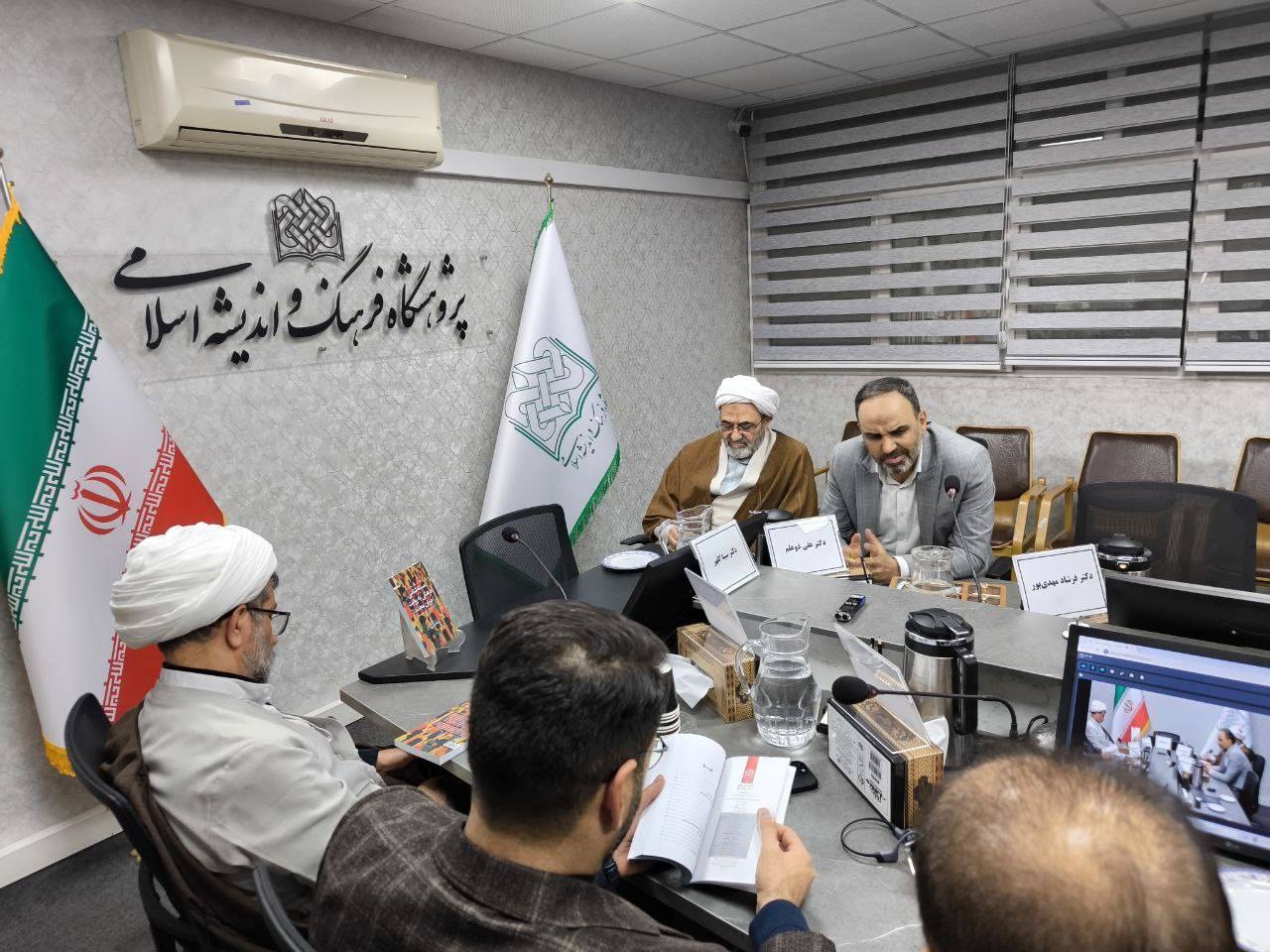
Industry leaders emphasize that paper is not merely a commodity but a strategic good essential for national development and cultural sovereignty. A concerted effort involving government bodies, private sector players, and expert consultations is imperative to transform the current challenges into opportunities for growth and stability, ensuring a brighter outlook for Iran’s paper sector and the industries it supports.