Cinematic Publishers Prefer Second-Rate Translations Over First-Rate Original Works
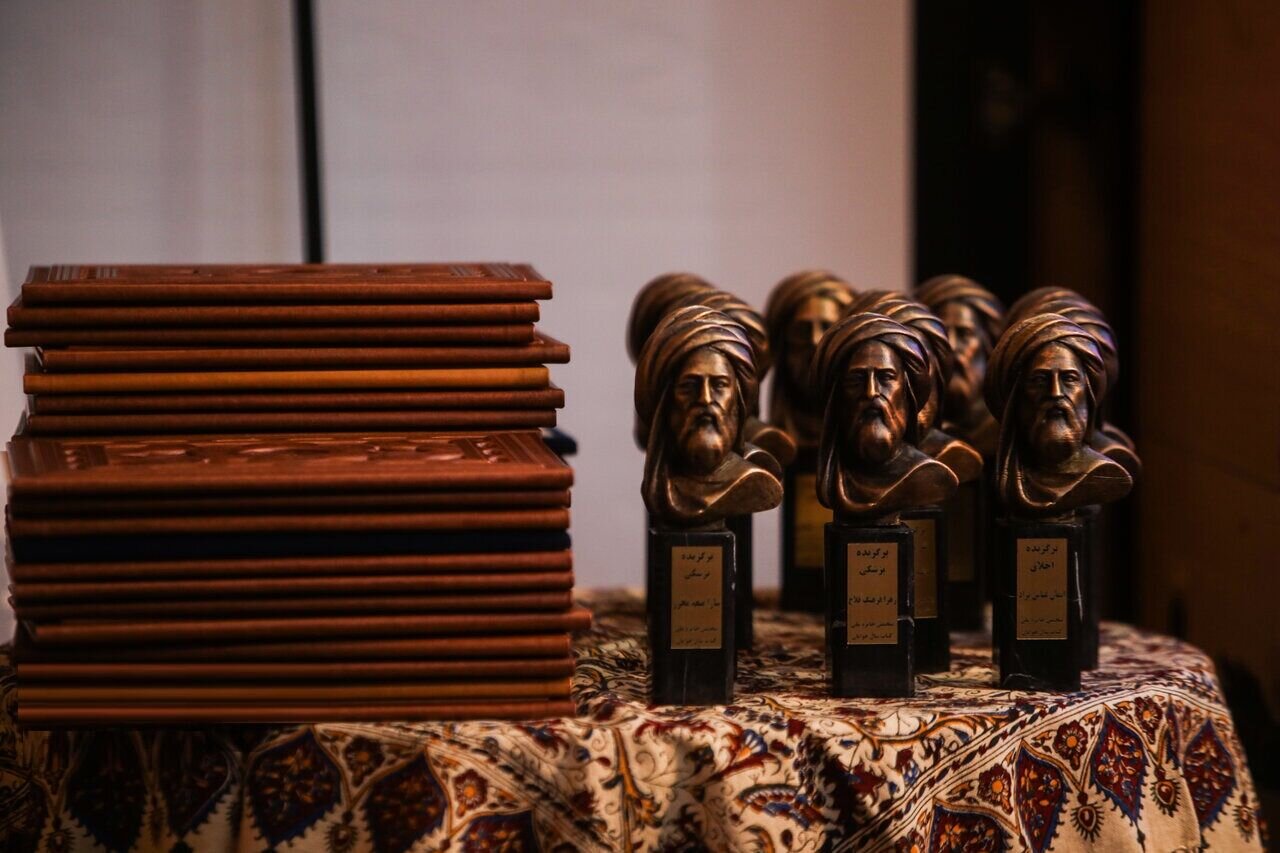
Art Service of Iran Book News Agency (IBNA); After a four-year hiatus, the award is set to once again recognize its winners in various categories. The selection of the Cinematic Book of the Year had been paused since 1400 [Solar Hijri calendar, approx. 2021], and in this evaluation period, books published between 1400 and 1403 are being reviewed and assessed.
Over these three years, 717 cinematic book titles have been published by 27 publishers. It remains to be seen how many books will be sent to the House of Cinema for judging by the end of Azar [approx. December]. According to the latest statistics, more than 30 books from six publishers have been submitted for judging to the House of Cinema, and this number is likely to increase in the coming days.
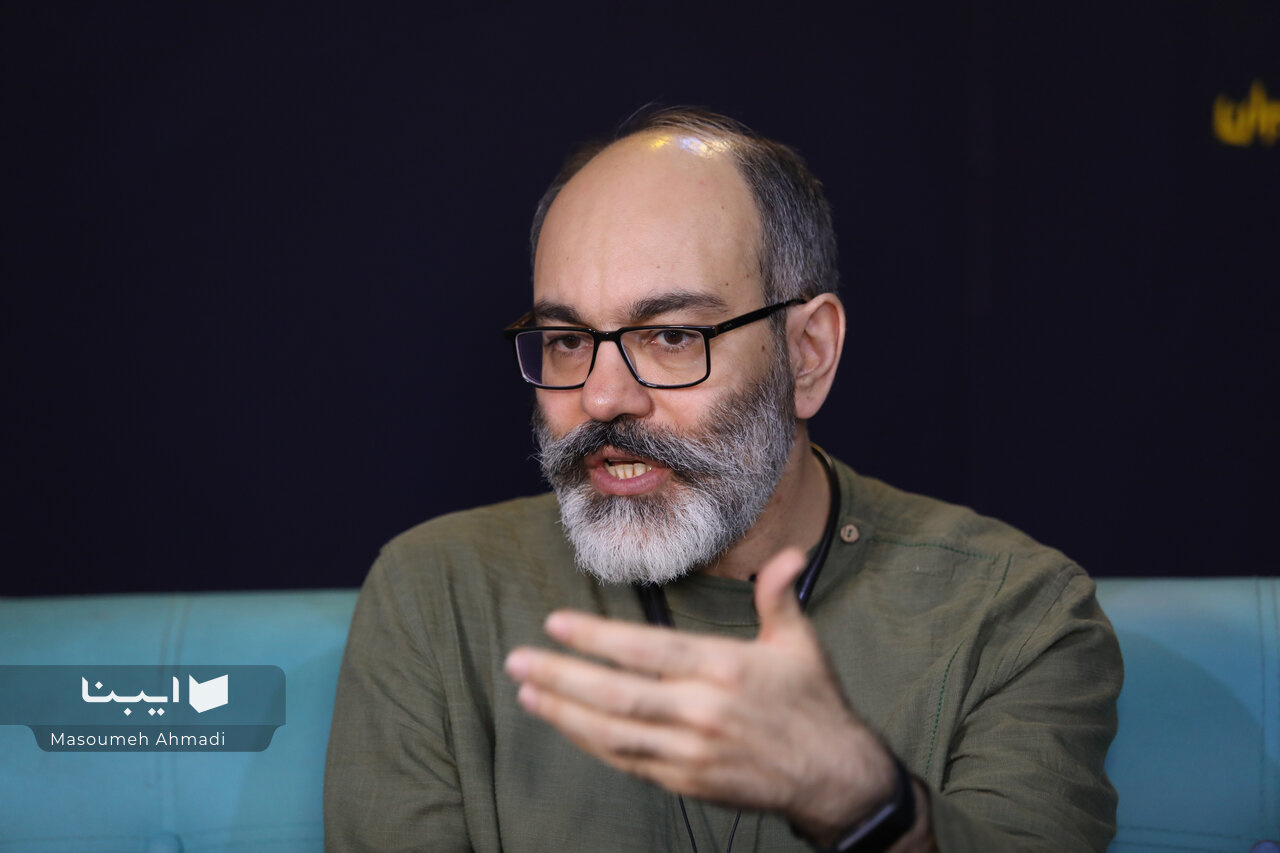
“Ramtin Shahbazi,” one of the well-known cinema researchers and critics, is in charge of secretarial duties for the eighth period of selecting the best cinematic book of the year.
Publishers’ Low Interest in Original Books
Shahbazi told IBNA about the low statistics of original books compared to translated books in the field of cinema: “I always have this complaint about publishers that when you give them an original work, they accept it with great difficulty. Meaning, if you give them a second-rate translation and a first-rate original work, they prefer the second-rate translation. Of course, some publishers might do the opposite, but this trend is very common in the publishing market.”
This film critic continued: “In the discussion of authorship, it is very important what our source of income is. We must see whether my source of livelihood comes from writing the book itself or not, and mostly we find that this is not the case. It’s very rare for me as a teacher to have my only duty be research and authorship. What percentage of us are faculty members receiving a salary from the university? Many of us have other jobs, and when we have another job, our lives must be financially secured before we can find time to write a book. Because of this, since I, as an author, must make time to write something and my job is something else, the work becomes very difficult.”
Shahbazi added: “A significant part of authorship is research, which is very time-consuming. That’s why I’ve always told my colleagues and friends at the Ministry of Culture and Ministry of Science to consider establishing art research institutes with specific fields. We need research institutes for cinema, theater, and painting. Institutes that would hire personnel so they can perform these tasks. When we don’t have these, how is an author supposed to make a living? For example, someone might be an office worker who, despite being very tired, has to sit down and do authorship in the evening if they get the chance. Because of this, the desired result might not be achieved. One of our discussions in the upcoming cultural attachments will be about the economy of publishing.”
Rising Printing Costs
He stated that we must also think about publishers during the process of printing books: “Right now, each page of a book costs around two thousand tomans. Now, some books come with high volume, and these books cannot be translated and printed in Iran. There are a series of practical art books that have pictures and need to be printed in color, and these books cannot be printed at low prices. In these cases, we must also think about the publisher.”
The author of the book “Cultural Semiotics of Iranian Literature and Theater History” pointed out that Iranians are not accustomed to reading virtual and electronic versions: “I am currently reading a very important book in this field that has not been properly introduced to its audience. The book ‘Acting of Character Face in Animation’ was written by Dr. Seyed Najmeddin Amirshahkarami along with Mahsa Kabiri. Mr. Shahkarami studied animation in England and has presented very important and useful content in his book. This book was published by Tarbiat Modares University, but the university lacks distribution, and unfortunately, this book has not been seen at all.”
Need for Media Cooperation with Publishers
Shahbazi noted: “Publishers must cooperate with the press and media so that their books can be seen. Wherever there is an opportunity for introduction, these books must be introduced. Friends who have been invited to judge the book of the year must undertake a ‘Jihadi’ (devoted) effort. Even if a hundred books come to the secretariat, reading and judging them is not an easy task. For example, we invited Dr. Adel for this reason, as he has been a judge for the Islamic Republic Book of the Year for many years and has read many books there. Ms. Mofakham herself is an author and has books on cinematography. The other judges are similar and are constantly involved with books and reading. We must all join hands to bring these important cultural activities to fruition. The government must also not forget its responsibilities. Where are the government publishers now, and on what basis do they publish books?”
This theater and cinema critic expressed hope for the re-holding of the Cinematic Book of the Year award, saying: “We hope good things will happen, and if I didn’t have such hope, I wouldn’t accept this responsibility. When Mr. As’adian and Mr. Tohidi told me, I knew they had extensive cultural plans. Both of them dedicate time to cultural work, and it has been decided to advance the work as far as the budget allows. Wherever I go, I must implement my cultural programs as well, and I don’t want to just have a judging and an award ceremony and then everything ends. I am also the research secretary of the Fajr Theater Festival right now, and there too, I have asked to be allowed to hold my sessions.”