Is the Torah and Gospel distorted? What does the Quran say?
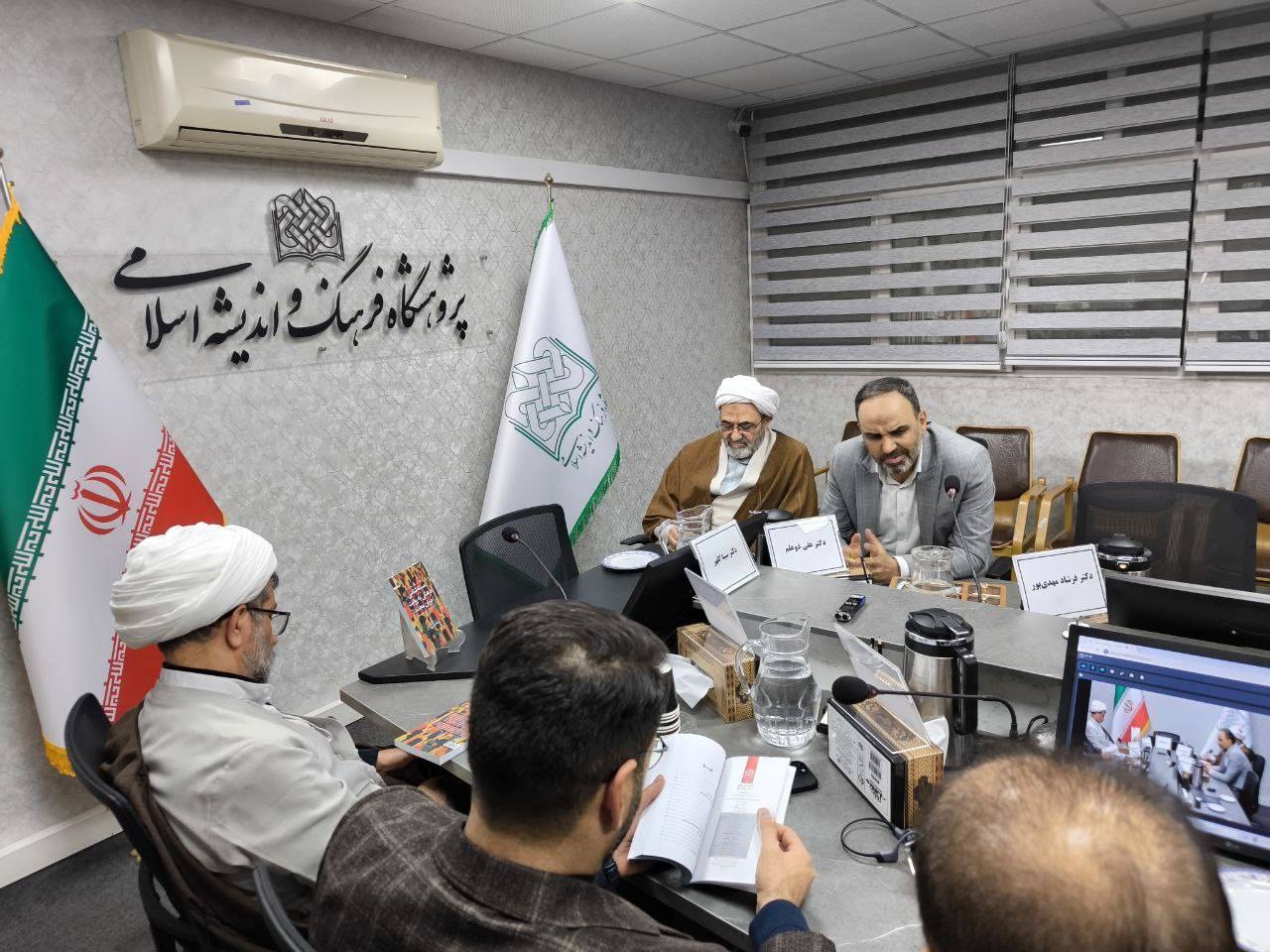
According to the Mabaligh Culture and Thought Foundation, one of the important questions in religious studies and Quranic research is the position of the Holy Quran regarding the heavenly books preceding it, especially the Torah and the Gospel. In this article, we publish a question and answer regarding this topic:
Question:
Does the Quran consider the Gospel and Torah to be distorted?
Brief Answer:
There are verses in the Quran that refer to the distortion of parts of the Torah and Gospel that were not to the liking of the People of the Book, including: «يَسمعُون کَلامَ الله ثم يُحرّفُونه» (They hear the word of God and then distort it), «يَلوُونَ ألسِنتَهُم بِالکِتابِ لِتحسبُوهُ من الکِتابِ وَ ما هُو من الکِتابِ» (twisting their tongues with the Book so that you may think it is from the Book, while it is not from the Book), and «يُحرّفُونَ الکَلِمَ عَن مَواضعهِ» (They distort the words from their [proper] places).
Furthermore, the fundamental difference between the Quran and the Torah and Gospel in narrating the stories of the prophets indicates the distortion of these two books in this regard. Despite these, there are indications in the Quran that parts of these two books were not distorted at the time of the Quran’s revelation, such as the expression «مُصدّق لِما مَعهُم» (confirming what is with them) in verses from Surah Al-Baqarah and Al-Ma’idah.
Detailed Answer:
The Holy Quran does not explicitly state that the Torah and Gospel have been entirely distorted, but there are verses in the Quran from which one can conclude that some of the People of the Book altered parts of the Torah and Gospel that they did not approve of, which ultimately led to the verbal and spiritual distortion of those two books. Some of the verses that point to the distortion of holy books by the People of the Book include:
1. Verse 75 of Surah Al-Baqarah
In this verse, we read: «أَ فَتَطْمَعُونَ أَنْ یُؤْمِنُوا لَکُمْ وَ قَدْ کانَ فَرِیقٌ مِنْهُمْ یَسْمَعُونَ کَلامَ اللَّهِ ثُمَّ یُحَرِّفُونَهُ مِنْ بَعْدِ ما عَقَلُوهُ وَ هُمْ یَعْلَمُونَ» (Do you covet that they will believe in you while a party of them used to listen to the word of God and then distort it after they had understood it, knowingly?). This verse primarily indicates spiritual distortion, but someone who engages in spiritual distortion will also change the words in their favor if the opportunity arises, as they have done in many prophets’ stories, narrating stories contrary to what the Quran states, and sometimes even insulting the prophets.
If the Jews were seeking reality instead of distortion, it would be expected that they would respond to the call of Islam before others at its beginning, because unlike the polytheists, they were People of the Book, and furthermore, they had read the characteristics of the Prophet of Islam (peace be upon him) in their own books. But the Quran says: given their negative past, your expectation is unwarranted, because sometimes the deviated characteristics and spirits of a people cause them to be far from the truth despite their proximity to it. Instead of believing in the Prophet of Islam, they erased his characteristics from their books; as it is mentioned in the occasion of the revelation of the verse that the Jewish leaders said: do not reveal the characteristics of Muhammad (PBUH) found in the Torah to the Muslims, so that you do not have evidence against yourselves before God.(1)
2. Verse 78 of Surah Al Imran
In verse 78 of Surah Al Imran, it also says: «و إنَّ مِنْهُمْ لَفَرِیقاً یَلْوُونَ أَلْسِنَتَهُمْ بِالْکِتابِ لِتَحْسَبُوهُ مِنَ الْکِتابِ وَ ما هُوَ مِنَ الْکِتابِ وَ یَقُولُونَ هُوَ مِنْ عِنْدِ اللَّهِ وَ ما هُوَ مِنْ عِنْدِ اللَّهِ وَ یَقُولُونَ عَلَی اللَّهِ الْکَذِبَ وَ هُمْ یَعْلَمُونَ» (And indeed, among them is a party who twist their tongues with the Book so that you may think it is from the Book, while it is not from the Book. And they say, “It is from God,” while it is not from God. And they attribute lies to God while they know).
Mabrum Tabarsi in “Majma al-Bayan” quotes from some sources that this verse was also revealed about a group of Jewish scholars who, with their own hands, wrote things contrary to what was in the Torah about the characteristics of the Prophet of Islam and attributed it to God (and distorted the truths of the Torah with their tongues). For example, in the Torah, the Holy Prophet was described as having a wheat-colored face and being medium height, whereas these individuals introduced him as tall.(2) Another narration states that Jewish scholars changed the Prophet’s characteristic to make the Jewish weaklings doubt.(3) Abu al-Futuh Razi specifically mentions the names of Ka’b ibn Ashraf and Huyayy ibn Akhtab and some other scholars who distorted the Torah and mentioned matters that were not in the actual Torah.(4)
In any case, this verse speaks about another part of the violations of some scholars of the People of the Book. «Yaloon» from the root word “Lay” (on the scale of Hayy) means to twist and bend(5) and this term here is an interesting metaphor for distorting divine words; it seems that when they recited the Torah and came to the characteristics of the Prophet of Islam (PBUH) whose advent was prophesied in the verses of the Torah, they would change it immediately, and this action was done so skillfully that the listener would think that what they were hearing was the text of the divine verses. They were not satisfied with this action; they also explicitly said: “This has been revealed from God, while it was not from God.” Then the Quran emphasizes that this action was not because they made a mistake, but rather “they attribute lies to God while they know and are aware.”(6)
Although these verses do not explicitly state the textual distortion of the Torah and Gospel by the People of the Book at that time, it is explicitly mentioned that they changed the words of the books they had and concealed the truths, and concealing truths and changing what the heavenly books stated resulted in distortion in future times; as today, there is no trace of a Torah and Gospel that correctly mentions the characteristics and features of Prophet Muhammad (PBUH) or correctly narrates the stories and laws of previous prophets.
3. Verse 46 of Surah An-Nisa
Another verse from which the distortion of the Torah can be concluded is this verse: «مِنَ الَّذِینَ هادُوا یُحَرِّفُونَ الْکَلِمَ عَنْ مَواضِعِهِ وَ یَقُولُونَ سَمِعْنا وَ عَصَیْنا…» (Some of the Jews distort the words from their [proper] places and say: We heard and disobeyed…). This distortion can be verbal or spiritual and practical; but the phrase «وَ یَقُولُونَ سَمِعْنا وَ عَصَیْنا» (and they say: We heard and disobeyed) indicates that the distortion here refers to verbal distortion and changing the phrase; because they said: “We heard and disobeyed!” instead of saying “Samina wa atana” (We heard and obeyed the command), and this is similar to the speech of those who sometimes say mockingly: “You say, and we don’t listen!” The other phrases of the verse also support this statement.(7) Many commentators, including Fakhr Razi and Maybudi, have suggested verbal distortion for the phrase «يُحَرّفُونَ الْکَلِمَ عَنْ مَواضِعِهِ» (They distort the words from their [proper] places).(8)
This verse explicitly mentions the change of divine words by the Jews, and when words are expressed differently, they will eventually change in writing as well; because in that time, there was no printing industry, and divine verses were sometimes written down as heard and passed on to subsequent generations. Now, when some Jews changed the words of the heavenly books that were not pleasing to them, there is no doubt that they distorted them.
4. Verses 13 and 41 of Surah Al-Ma’idah
Another verse that shows that the People of the Book sought to erase the signs and characteristics of the Prophet (PBUH) from their books after opposing him, is the expression repeated in verses 13 and 41 of Surah Al-Ma’idah: «يُحَرِّفُونَ الْکَلِمَ عَنْ مَواضِعِهِ وَ نَسُوا حَظًّا مِمَّا ذُکِّرُوا بِهِ» (They distort the words from their places and forget a part of what they were reminded of).
It is not unlikely that the part they forgot was the signs and characteristics of the Prophet of Islam (PBUH) mentioned in other verses of the Quran, and this sentence may also refer to the fact that we know the Torah was lost throughout history, and then a group of Jewish scholars undertook to write it down, and naturally, many parts were lost, and parts were distorted or forgotten, and what came into their hands was a part of the real book of Moses (PBUH) mixed with many superstitions, and they sometimes forgot even this part.(9)
Difference between Quran and other heavenly books in narrating stories of prophets
Another topic that arises when discussing the distortion of holy books is how the stories of some divine prophets are narrated in the Quran. The history of past prophets is narrated in the Quran, and there is no doubt that what is in this book comes from God and corresponds to reality. On the other hand, some of these stories are narrated differently in the Torah and Gospel, with significant differences from what is stated in the Quran. Therefore, considering that two different and contradictory reports of the same event cannot both be correct, it can be concluded that the Quran considers some parts of the Torah and Gospel to be distorted and incorrect. With these verses, evidences, and indications, we conclude that the Torah and Gospel available to the People of the Book are not exactly what were revealed to Prophet Moses (PBUH) and Prophet Jesus (PBUH), and even Jewish and Christian scholars themselves sometimes admit this point.
Meaning of confirmation of some contents of holy books in the Quran
What is certain is that at the time of the Quran’s revelation, the Torah and Gospel were not completely distorted, and many truths, including the prophethood of Prophet Muhammad (PBUH) and his characteristics, and even some of the laws he expressed, were available to the People of the Book, and despite knowing the truth of the Prophet, they opposed him. This expression is seen in numerous verses of the Holy Quran: “The Quran confirms the contents of previous books.” For example, in verses 89 and 101 of Surah Al-Baqarah, we read: «مُصَدِّقٌ لِما مَعَهُمْ» (confirming what is with them) and in verse 48 of Surah Al-Ma’idah, it says: «وَ أَنْزَلْنا إِلَیْکَ الْکِتابَ بِالْحَقِّ مُصَدِّقاً لِما بَیْنَ یَدَیْهِ مِنَ الْکِتابِ» (And We have sent down to you the Book in truth, confirming that which preceded it of the Scripture).
This has led some Jewish and Christian preachers to use these verses as evidence against the distortion of the Torah and Gospel, while these verses are nothing more than “practical confirmation” of the Quran and the Prophet (PBUH) regarding the signs of his truthfulness found in the previous books, and they do not indicate confirmation of all the contents of the Torah and Gospel. Furthermore, as mentioned, numerous verses of the Quran indicate that they distorted the verses of the Torah and Gospel.(10)
Jews shunning the rulings of the Torah
In another expression in verse 43 of Surah Al-Ma’idah, the Quran points to the shunning of Jewish rulings of the Torah, which is one of the important factors of distortion: «و کَیْفَ یُحَکِّمُونَکَ وَ عِنْدَهُمُ التَّوْراةُ فِیها حُکْمُ اللَّهِ ثُمَّ یَتَوَلَّوْنَ مِنْ بَعْدِ ذلِکَ وَ ما أُولئِکَ بِالْمُؤْمِنِینَ» (But how do they make you judge while they have the Torah, in which is the judgment of God? Then they turn away after that; and those are not believers). In this sentence, the speaker wants to surprise the listener by the behavior of the Jews, stating that the Jews are a people with a book and law, and deny your prophethood, book, and law. They have currently faced an event (the ruling on stoning a man and woman who committed adultery in which the ruling is in their book (in the current Torah, chapter 22 of Deuteronomy)), but they do not want to execute this ruling which is God’s ruling. In this case, how do they accept your judgment which is also God’s ruling? It is clear that they do not accept; they shun God’s book and judgment and will never believe in it.(11)
Conclusion:
The conclusion is that in the existing Torah, circulated among the Jews today, there is some part of the original Torah revealed to Moses (PBUH), and some parts are distorted. In short, the original Torah has been tampered with, either by adding things to it, or removing things from it, or changing its words, or changing its place, or other manipulations.(12) This is the theory derived from the Holy Quran regarding the Torah, and detailed research also leads to the same result.