Cellulose market on the verge of instability / Stability is the main demand of printing houses
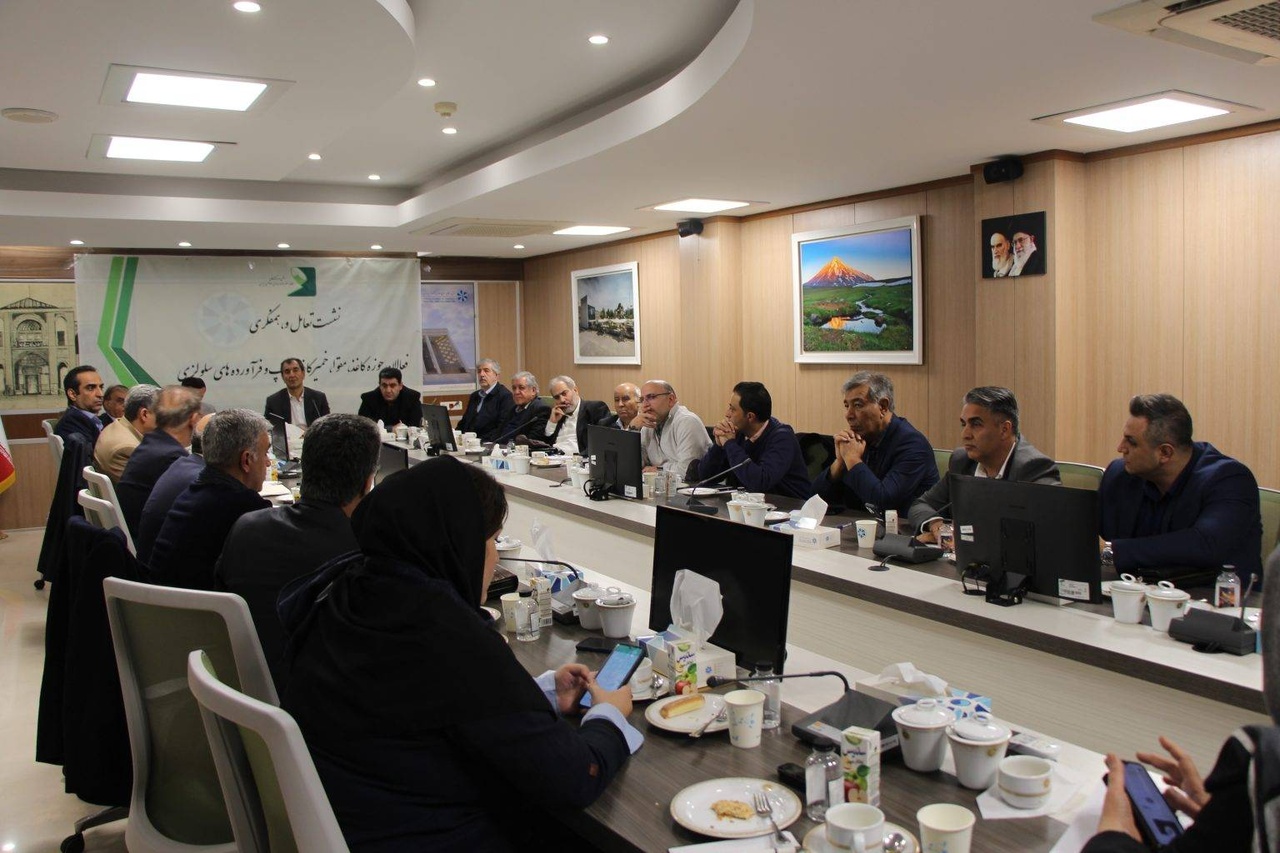
According to the Iran Book News Agency (IBNA) reporter, a coordination meeting for stakeholders in the paper, cardboard, pulp, and cellulose products and waste sectors was held at the Iran Chamber of Commerce. The meeting included Abbas Zare, Director General of the Printing Office of the Ministry of Culture and Islamic Guidance; Mohsen Tarahomi, Director General of Textiles, Apparel, Leather, and Cellulose Industries of the Ministry of Industry, Mine, and Trade; Hassan Mirbagheri, Head of the Paper and Cardboard Importers Association; and heads, board members, and secretaries of various import, production, distribution, and consumption organizations, including the Iranian Carton and Sheet Industries Association, the Printers Cooperative Company, the Iranian Paper and Cardboard Producers Syndicate, the Paper and Cardboard Sellers Union, and the Sized Paper Producers Association.
At the beginning of the meeting, Seyed Hassan Mirbagheri highlighted the importance of the coordination meeting for the country’s cellulose chain stakeholders to achieve market stability and timely supply. He provided a report on market conditions, problems, and concerns of traders regarding the timely import and supply of paper, cardboard, and other cellulose items for printing houses, publishers, production units, and consumers.
He added: “Only with the solidarity and cooperation of every person involved in the cellulose sector can we overcome the current problems and reduce the obstacles resulting from sanctions for securing the country’s necessary raw materials.”
Mirbagheri, pointing to the lack of a specific and documented plan for cardboard imports, said: “None of the officials have yet provided a specific timeline for foreign currency allocation. We have colleagues who registered their orders 11 months ago but are still in line for currency allocation. On the other hand, goods previously in the market have been sold, and furthermore, paper has moved to the secondary market, facing various challenges and problems with currency allocation.”
Mirbagheri stated that in addition to the cardboard sector, this challenge exists in the writing paper sector as well: “When currency is not allocated, importers are forced to import with free-market currency, and for this reason, the selling price in the market increases.”
Stating that the purpose of holding this meeting is to present problems and issues to relevant ministries with a unified voice, he said: “Sometimes it feels like some people can get currency sooner. Years ago, the issue was ‘golden signatures,’ but it was eliminated. Although it seems these golden signatures are returning; I hope this doesn’t happen.”
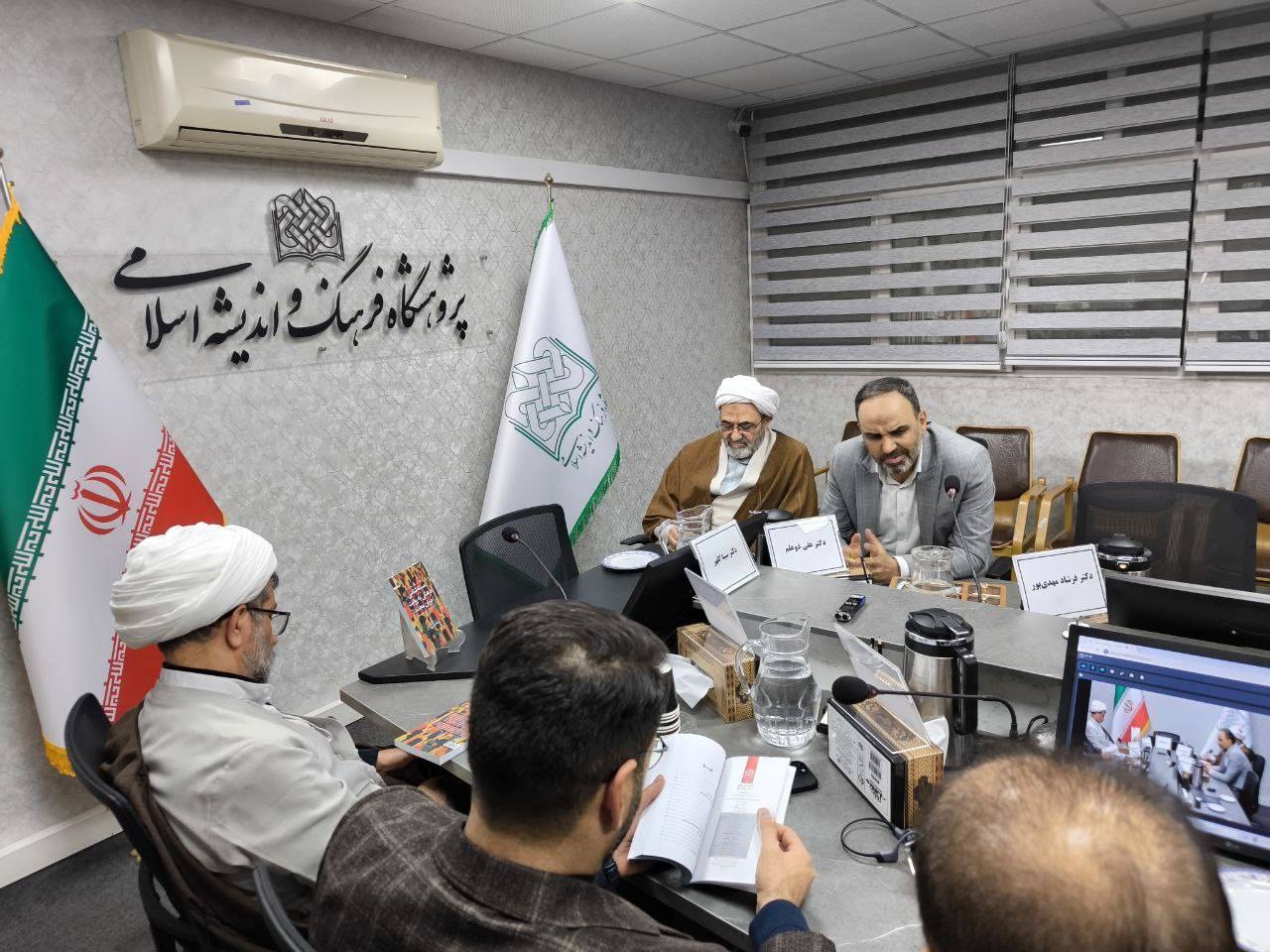
Deputy Cultural Affairs meeting with paper activists
Following this meeting, Hooman Hajipour, Deputy Secretary of the Government and Private Sector Dialogue Council, said in a speech: “In the current situation, trade policy in the industry sector is important. Sudden changes in regulations are not without effect, and a large portion of importers and traders in this sector are struggling with various problems.”
He added: “Monopoly, restrictions, and imposing tariffs no longer work well in this area, and if we face such conditions and the rationing issue is disrupted, we must question the governing authority for these decisions. Also, oversight bodies like the Inspection Organization should intervene in this matter, and as a clear and transparent board, everyone should know how things operate.”
Hajipour, referring to the formation of specialized working groups within this council to examine private sector and government problems, said: “In each of these working groups, commensurate with the topics and discussions, we welcome the points, opinions, and views of the guild. If there is a problem, these working groups can be approached for further review with the participation of the Inspection Organization or the Judiciary to resolve the situation.”
Abbas Zare also mentioned the current market conditions in the printing and publishing chain, stating: “In the Ministry of Culture and Islamic Guidance, we stand alongside activists in the printing and publishing sector and will pursue their concerns and problems. In this regard, we plan to hold a meeting with the Deputy Minister of Cultural Affairs soon. Essentially, we are facilitators, and the main work is with the Ministry of Industry, but since a large portion of consumers are under the Ministry of Culture, we intervene.”
Stating that the Deputy Minister of Cultural Affairs is concerned about this area, he continued: “About 30% of the 40 million rials in currency is for coated paper and zinc, and we hope these goods will enter the country soon with the efforts and cooperation of the guild, and we hope that with the entry of paper, the market will be controlled.”
Mehdi Haddad Adel, Vice President of the Carton and Sheet Industries Association, who was present at the meeting, said in his speech: “A major part of the need is for packaging paper. Fortunately, we are self-sufficient in imports in this area. The main problem for the industry is the lack of raw materials, namely waste paper or recycled cardboard.”
He continued: “Domestic waste paper costs about 35,000 tomans per kilo, and foreign waste paper sells for about 26,000 tomans in Tehran, raising the question of why imports of waste paper are not allowed?”
Haddad, stating that various meetings have been held with the Environmental Organization and the Paper and Cardboard Producers Syndicate, said: “Currently, only about 13 factories can import waste paper and produce under the supervision of the Environmental Organization with different equipment, but this monopoly must be broken, otherwise, we will see uncontrolled price increases for cardboard paper, just like today.”
In another part of the meeting, Mehdi Kazemi Mehyari, Head of the Tehran Printers Cooperative Company, said in a speech: “The real consumers for the country’s printing industry are partly publishers, and partly commercial and packaging printing. I believe that paper should reach real consumers.”
He continued: “We need expert intervention in the industry. In the 2000s, paper imports were done easily with LCs, but now we cannot make decisions for the future. A trader cannot give a final price to their customer, and this issue exists not only in the paper sector but for all goods.”
Kazemi, raising the point that the cooperative offers about 40 to 50 other goods besides paper, said: “My suggestion is for the government to completely abandon this area and free up currency and not prevent import registrations. In the current situation, the capacity of cooperatives and reputable and credible traders should be used.”
According to him, “I believe that the role of the government should be one of regulatory oversight, not allocating paper and failing to utilize existing capacities.”
Necessity of Central Bank interaction with producers
Amir Saman Esfandiari, Secretary of the Paper and Cardboard Producers Syndicate, continued the meeting by stating that problems will not be solved unless paper is seen as a strategic commodity: “During the 12-day war, paper and cardboard producers, as well as carton producers, were working continuously, but their role is never acknowledged.”
He continued: “All efforts are focused on ensuring the necessary review by the Environmental Organization regarding waste paper import permits so that more waste paper can be imported into the country for paper industries. The reason for the increase in waste paper prices is precisely this issue, because domestic waste paper does not cover the domestic production capacity.”
Esfandiari, stating that starch plays about a 6% role in the packaging paper industry, said: “Without starch, it is impossible to produce packaging paper, but the price increase of this commodity over the past few months has made the production process difficult for many colleagues. Additionally, the import of consumable items for production machinery and other goods faces problems.”
According to him, “If attention is not paid to the current situation, packaging paper production will face serious limitations and significant reductions in the coming months. Another point is that the statistics for writing paper or packaging paper consumption are not yet clear in the country, and different figures are stated by different institutions. However, we must use the capabilities of associations to reach cohesive and clear statistics.”
He emphasized the necessity of interaction between the Central Bank and producers, saying: “I believe that the Ministry of Industry and the Central Bank should consider private sector activists, associations, and the Chamber of Commerce as confidants and discuss their problems. On the other hand, we should use the capacity of associations related to the paper sector as consultative arms for decision-making and currency allocation for paper, because they know both the market and the work environment.”
He also said: “Regarding packaging paper, we have no problem if we have waste paper. But in the writing paper sector, we do not have suitable weather conditions to supply the necessary pulp and wood, and these raw materials must be imported sufficiently so that a portion of the country’s needs can be met by domestic production alongside imports. Finally, it is hoped that by providing the necessary currency for importing raw materials and other items, it will be possible to maximize the use of the country’s potential domestic production capacities.”
Majid Khademi, a printing industry activist, also mentioned the recent price increases in the printing and publishing sector, saying: “As stated, paper is a strategic commodity and the most consumed item by activists in the printing and publishing sector, but industry activists are never invited to decision-making.”
He continued: “Imports of grey back cardboard are currently suspended, forcing producers to use low-quality domestic cardboard at the price of foreign cardboard, and this easily eliminates competition, forcing the Iranian printer to use this cardboard.”
According to him, “The price of domestic cardboard has also increased from 71,000 tomans in September to 120,000 tomans today, and they take all cash, while in today’s market, such a situation is not possible for the printing industry, and about 60% of capital has been lost in the last two months.”
Majid Esmaeilzadeh, another printing industry activist, stated that domestic producers are unable to compete with foreign producers in terms of quantity and quality: “Policymakers’ understanding of a strategic commodity must be clear; in the current situation, considering the country’s circumstances, we see various cars entering the country every day, but we do not have currency for the necessary goods for the industry.”
He continued: “Printing industry activists are not in good shape, and there is demotivation among the guild. If conditions continue, continuing work will be accompanied by difficulties.”
At the end of the meeting, Mohsen Tarahomi presented statistics on the weight and value of cellulose item imports for the current year compared to last year, explained the situation of currency allocation and follow-ups by the Cellulose Office and the limitations faced by that ministry, especially the Cellulose Office, to improve current conditions, while also promising assistance to reduce current problems.
He added: “Given the actions taken, I hope that with cooperation from the Central Bank, currency allocation and import problems will decrease soon, and after that, the cellulose market and the supply of paper and cardboard for printing houses and consumers will achieve greater stability.”