Poetry as a playground of language
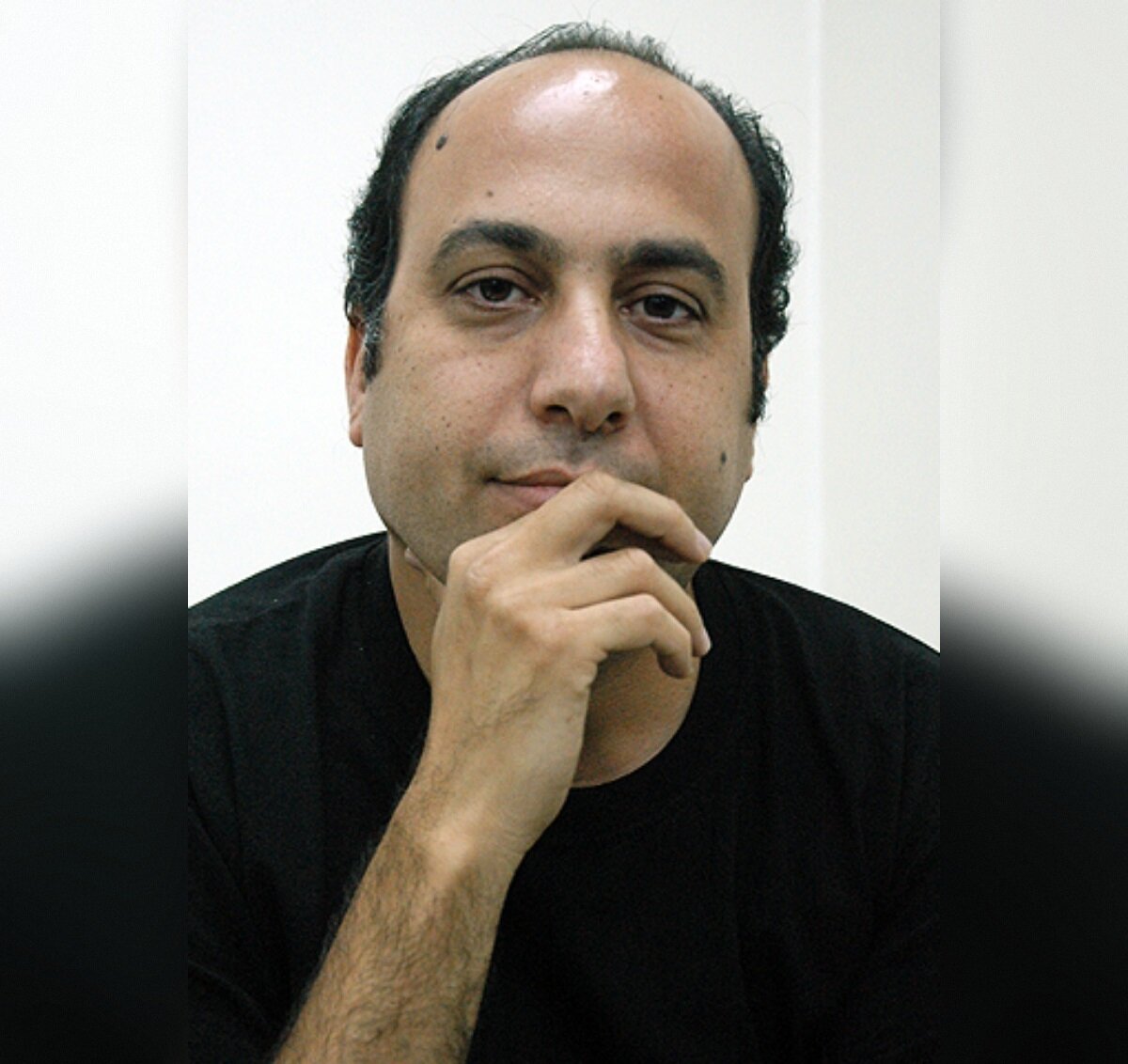
According to Khabar Online news agency, this book is Ali Pourmohammadi’s first poetry collection, although books such as ‘Foundations of Bioethical Philosophy’ and ‘School of Separation’ have previously been published by this analytical philosophy graduate (PhD) in Vienna.
‘Melody of Returning from Objects’ is a poetry collection in which the poet radically and playfully grapples with language, meaning, and cultural structures. This work attempts to break the conventional and linear boundaries of language and create a free and boundless space for thought and reflection in the world of words and concepts. ‘Melody of Returning from Objects’ may initially seem to contain linguistic complexities and cryptic images, but the more you enter this world, the more you realize that these complexities are not used as barriers to understanding, but rather as tools for re-evaluating existing structures.
One of the prominent features of this book is the wordplay in which words never remain static and always move towards different meanings. In every line, the poet asks the reader to distance themselves from traditional understanding and linguistic assumptions and to achieve a new experience of thought and feeling. Every sentence, every image, and even every word in this book is changing and breaking semantic boundaries. In this respect, ‘Melody of Returning from Objects’ is in a way a return to post-structuralist philosophies which emphasize that language not only cannot fully convey truth, but is itself a playing field where one can multiply ‘questions’ instead of ‘answers’.
In this book, the poet particularly uses philosophical, psychological, and historical concepts, placing them alongside each other in an unexpected and innovative way. For example, references to great figures such as Freud and Avicenna, who have played major roles in the history of human thought, are made not to present their teachings and beliefs, but to challenge prevailing assumptions and discourses. With this approach, the poet transforms these thinkers into words that distance themselves from their primary meaning and are placed in a fluid and contradictory space. This movement, besides creating gaps in the text, paves the way for a kind of critical thinking against history and scientific and philosophical concepts.
Structurally, the poems in this collection resemble scattered and partial moments of human thought rather than a coherent and linear narrative. In these poems, time and place are introduced not as fixed concepts but as changing variables. Through language and constantly evolving images, the poet invites the audience to pay attention to how concepts, identities, and experiences are formed in the human mind.
Ultimately, ‘Melody of Returning from Objects’ is a work that allows the reader to cross the usual boundaries of thought and attain a deeper and more complex experience of language and reality. This book is not only a poetry collection for reading, but also an experience for living and contemplating meaning and truth. Given its unconventional style, this work attracts audiences who are prepared to immerse themselves in the ambiguous and mysterious world of poetry instead of accepting ready-made truths, and to embark on a journey of search and discovery.
We read in a section of this book:
“After watching the cartoon
I told myself
to pay attention to more existential words
That what destiny catches fire amidst tomorrow’s flame
That how a person’s natural intuition
defines their theory of the sky
That is why I do not know
Or I am in the position of absolute statement.”
And elsewhere it says:
“Wednesday
was a question or a warm white fragrance
or a pause
A pause on that miserable word
that has slid down the eyeglass since Saturday
In my opinion
after many walks
beauty
is a question mark on a pause
even vice versa
That is why
I doubt the telephone
because I don’t know which side this painting is from
nature came to the gallery
or the painter asked red or white.
It is better for the painter not to speak in the gallery
to turn the brush towards their breasts
and if their voice was good
bring tea
This is what I mean by pause
my mind is not occupied elsewhere
Don’t hold a grudge against Diazepam
I just don’t know which pause to stick my word on
That’s all.”
*Poet and Literary Critic