The Publishing Industry Cannot Tolerate Tax Pressure
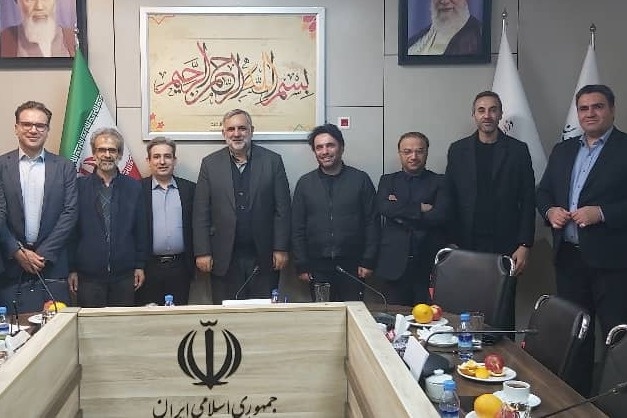
Amin Asefi, managing director of the Cultural Association of Educational Publishers, in an interview with the reporter of Iran Book News Agency (IBNA), referring to the recent meeting of activists in this field with Mohsen Javadi, Deputy Minister of Cultural Affairs of the Ministry of Culture and Islamic Guidance, stated: In this meeting, we raised a series of problems faced by educational publishers and discussed solutions and how to better interact in this area; also, tax issues, the Tehran International Book Fair, paper supply, and support for educational publishing were among the most important topics.
He continued: In this meeting, we stated that the issue of taxes has put publishers under a lot of pressure. According to Article 139, Clause ‘L’ of the Direct Taxes Law, publishers should be exempt from tax; however, this law is not fully implemented. The precise implementation of this clause can alleviate a significant portion of the heavy economic burden from the fragile publishing industry.
Asefi, referring to issues discussed regarding the Tehran Book Fair and the status of educational publishers at this meeting, explained: The association’s request is that a more suitable space at the exhibition be provided for educational publishers; also, the presence of educational sector representatives in the decision-making and policymaking of the exhibition is necessary, and this presence will lead to greater synergy and a more specialized execution of the exhibition.
According to him, providing paper for educational publishers is a very serious issue. It was also raised in this meeting that positive trends in the field of paper are emerging, and if this trend continues, all publishers will benefit from it.
Asefi, stating that educational books are a serious need of society, students, and families, said: Equipping libraries with these books can help reduce family expenses. Unfortunately, this sector has received less attention, while its necessity is completely evident.
He emphasized that in many countries worldwide, the most active and strongest publishers are educational publishers, playing a significant role in the publishing economy: If this sector is supported, it can be transformative.
Asefi, stating that according to the Sixth Development Plan Law, the Ministry of Education was obliged to produce multi-authored books, but this has not happened yet, said: The Ministry of Education and the Ministry of Culture and Islamic Guidance should pave the way for the realization of this issue. It is true that these books usually change every year, but they are very high-quality, and publishers compete with each other to produce better works. This sector should be viewed with a supportive perspective, and modern marketing approaches in publishing should be welcomed, rather than having a negative view of publishers who do professional work.
He also commented on the views and opinions of the Deputy Minister of Cultural Affairs during this meeting, saying: His perspective on educational publishing is positive. He emphasized that libraries should be equipped with educational books because the audience needs them. He also promised that the issues of tax and paper are being pursued at the ministry level and the Tax Affairs Organization. In the area of the book fair, existing capacities will certainly be considered, and the topic of multi-authored works and the use of new technologies will also be addressed.





