Birjand in the Mirror of ‘Dowlat Yad’; A Narrative of the Silent People of Qahestan
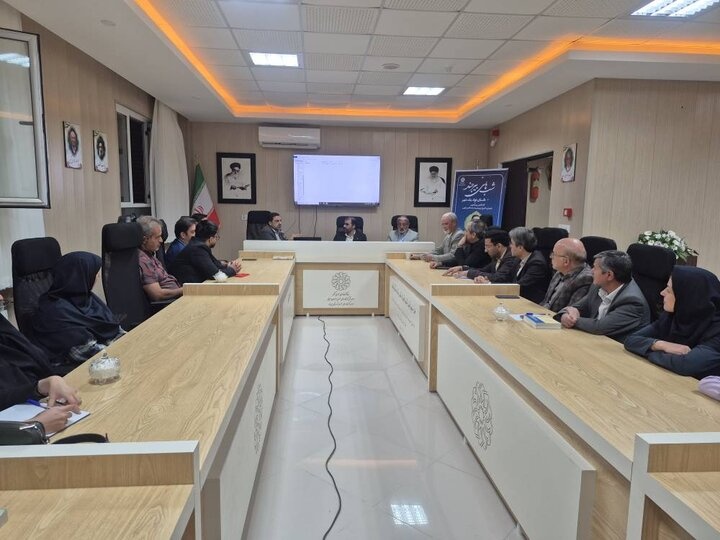
According to the reporter of Iran Book News Agency (IBNA) in Birjand, the ‘Birjand Night’ ceremony was held at Saeedi Library in Birjand with the aim of reviewing the book ‘Dowlat Yad’ and examining the social, cultural, and historical aspects of Qahestan. In this session, which was attended by researchers, local history enthusiasts, and a group of cultural activists, Naseh, the author of the book, and Elham Dorostkar, a researcher in ethnographic studies, presented different but complementary narratives of the historical life of the people in the region.
This event was not only a re-reading of a book but a re-examination of a part of the historical identity of South Khorasan; an identity shaped by isolation, class structure, and cross-border relations.
Naseh’s Narrative of ‘Dowlat Yad’; A History Arising from the Collective Memory of Qahestan
Naseh, the author of the book ‘Dowlat Yad,’ began his speech by referring to the method of compiling the work.
He explained: ‘Dowlat Yad’ is the result of collecting family memoirs and his grandfather’s manuscripts; documents that have been preserved for years and provide a frank picture of the social life of the people of Birjand in past periods.
Qahestan; A Historical Word, Not Today’s Geography
In his analysis of the concept of ‘Qahestan,’ he said: The use of the name Qahestan is not necessary today. This word is more valuable in the realm of history, and the title South Khorasan provides a more accurate and contemporary expression of the region’s identity.
Naseh further rejected some theories about Qahestan being derived from ‘Qanatestan,’ adding: These two have no linguistic or historical connection to each other.
Birjand and Herat Relations; A Deep-Rooted and Culture-Building Connection
One of the most important parts of his speech was the narrative of the historical connection between Birjand and Herat; connections that, according to him, played a decisive role in the scientific and cultural growth of the region.
He stated: Since ancient times, security and political correspondence have been established between the rulers of Birjand and Herat. The marriage of the ruler of Kabul’s daughter to Amir Ismail Khan and her presence in Shokat-ol-Molk’s harem is an example of these relations.
Naseh reminded: Many prominent figures of Birjand, including Abd-ol-Ali Birjandi, completed their education in Herat.
Structural Poverty and Minimal Livelihoods of the People
Describing the living conditions in Birjand in the past, he said: Birjand was a region far from the center and afflicted with absolute destitution. People lived on seasonal fruits; clothing was simple and ragged, and most families made a living by spinning thread. Despite their poverty, people were content and far from ambition.
Shokatiyeh; The Beginning of Cultural Transformation
He considered Shokatiyeh School a turning point in Birjand’s cultural transformation and added: Transformation occurs when people accept it. Managers and teachers played a role, but public acceptance was the most important factor.
Elham Dorostkar; Ethnographic Re-reading of Qahestan
Elham Dorostkar began the second part of the program by presenting an analysis of historical documents and local narratives; a narrative that accurately described the social structures, lifestyle, beliefs, and governance system of Qahestan.
Geographical Isolation and the Spread of Superstition
Referring to the natural conditions of the region, she said: The mountainous terrain and severe dry climate caused villages to have limited contact with each other. Many elderly people might never even see their adjacent village throughout their lives.
In her opinion, this isolation paved the way for the spread of superstitions, unquestioning acceptance of narratives, and a spirit of obedience.
Dorostkar described the region’s occupations and handicrafts, stating: Sock weaving, espadrille making, leatherworking, and pottery were common occupations for men. Many women also produced delicate silk fabrics. Silk was a high-yield product in Qaenat and played an important role in the local economy.
Nomads and the Tax System
In another part of her speech, Dorostkar addressed the situation of the nomads and introduced the Bahlouliha tribe as the most important nomadic group, saying: Livestock owners had to pay taxes based on the count of their animals, but due to the belief in the superstition that counting animals causes their death, they usually accepted the amount announced by officials without bargaining.
She added: Reza Shah’s efforts to settle the nomads were met with their resistance.
Shokatiyeh; A Turning Point in Cultural Approach
Dorostkar, like the author of the book, considered Shokatiyeh School one of the most important factors of social change in the region and said: The introduction of formal education led to the creation of a new conscious class, and the influence of reformist teachers and administrators transformed people’s lives.
‘Birjand Night’ was an opportunity for attendees to review less-heard narratives of the region’s history from the perspective of researchers; a narrative of resilience, poverty, culture, and change.





