New Controversy Surrounds Marilyn Monroe’s Death with Patterson’s Book Release
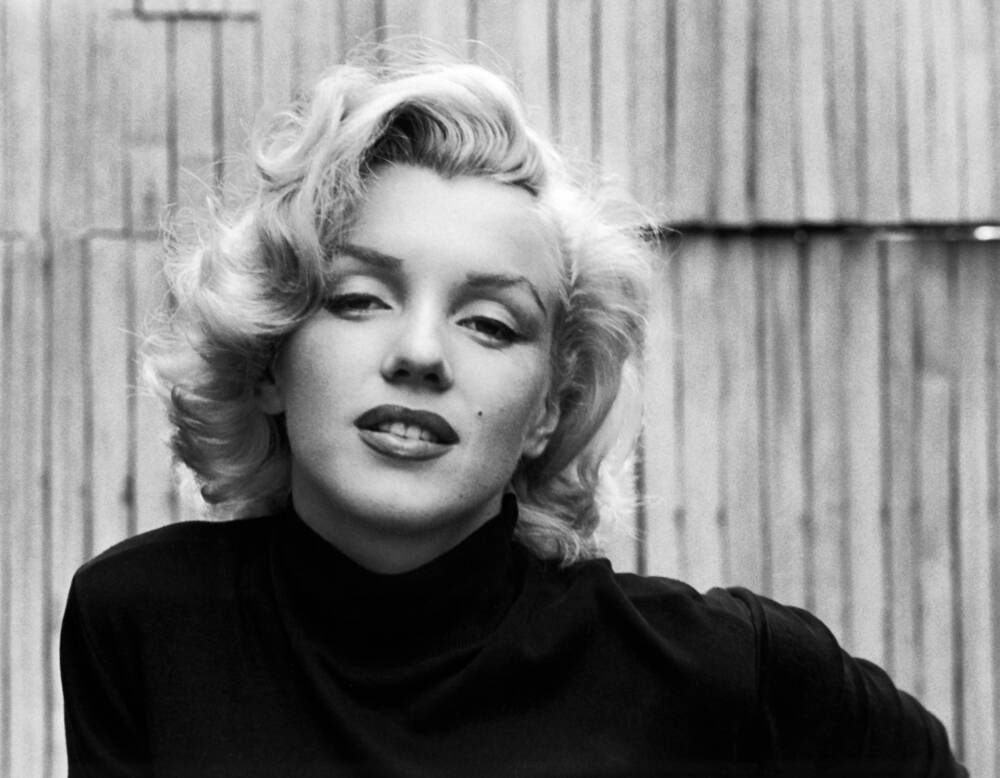
According to the Iran Book News Agency (IBNA), quoting The Independent, James Patterson, the renowned author of American crime literature and creator of best-selling works such as ‘Along Came a Spider’ and ‘The President Is Missing,’ has made controversial claims about the death of the late American film star on the eve of the publication of his new book titled ‘The Last Days of Marilyn Monroe: A True Crime Thriller’.
Patterson stated in a detailed interview with The Hollywood Reporter that, based on his research findings, Marilyn Monroe was not killed by self-administered drugs, but likely due to entering ‘dangerous information spheres’ and knowing some ‘confidential secrets.’ He believes Monroe was at the center of a network of high-risk relationships in the final months of her life, and this threatened her safety.
Marilyn was navigating very dangerous waters. She had connections with people from the highest levels of power in America; from John F. Kennedy to Robert Kennedy, from Frank Sinatra to some mafia figures. They told her sensitive and confidential information, and Marilyn also wrote it down somewhere. Part of this information was so critical that it could pose a serious threat to some individuals.
Patterson, whose works have sold over 225 million copies worldwide, says that during his research for this book, he encountered new facts; facts from Marilyn’s childhood and adolescence that had received less public attention. He refers to Marilyn’s life in eleven foster families, mental health issues during adolescence, and a stutter that Monroe had struggled to overcome for years, believing that this tumultuous past had transformed her into a fragile yet very complex character.
According to Patterson, a close study of official documents and reports related to Monroe’s death shows that ‘the death scene was not recorded and investigated as it should have been.’ He says some police officers at the time had also raised the possibility of ‘staging,’ especially since some signs were inconsistent with death from accidental or intentional drug use.
Marilyn Monroe’s death was announced on August 4, 1962, at her home in Brentwood, Los Angeles. The official coroner’s report cited the cause of death as ‘acute barbiturate poisoning’ and spoke of ‘probable suicide.’ An empty bottle of Nembutal and several pill containers were found next to her body. However, this report was met with skepticism by many journalists and researchers from the outset, as some details of the scene did not align with the official narrative.
This theory later gained wider traction with the publication of ‘Marilyn: A Biography’ by Norman Mailer, a prominent American author and journalist. In this book, Mailer had suggested the possible involvement of organizations such as the FBI and CIA in Monroe’s death, as he considered her an individual who had become very close to the Kennedy family’s inner circle.
Some other narratives brought the mafia into play. These theories suggest that Sam Giancana, the Chicago mafia boss, and Jimmy Hoffa, the American labor union leader, planned her murder to get hold of Monroe’s notebook, which was alleged to contain confidential Kennedy family secrets.
Anthony Summers, one of Marilyn Monroe’s most respected biographers, also claimed in his investigations that Monroe’s dependence on alcohol and drugs was partly due to the Kennedy family’s concern about the disclosure of their relationships with her.
In 1982, the Los Angeles District Attorney’s office re-examined Monroe’s death case to address the numerous claims. However, according to Donald Spoto’s reputable biography of Monroe, this review did not lead to any definitive evidence of murder, and the official result remained death from drug overdose.
The publication of Patterson’s new book, which is set to be released soon in the U.S., has once again brought Marilyn Monroe’s name back into current cultural and literary discussions. This book, with a documented narrative approach, seeks to reconstruct the hidden layers of the artist’s final days and provide a new answer to a question that has occupied the minds of enthusiasts for over sixty years: How and why did Marilyn Monroe die?