Surplus Books of Saqqez Citizens to Be Purchased / Return of Books to the Reading Cycle
Iran Book News Agency (IBNA) Provincial Service: In days when economic pressures force many families to reduce cultural expenses, preserving and maintaining books requires a responsible approach more than ever.
In some regions of the country, home libraries, once a sign of families’ taste, preference, and personal history, sometimes find their way to waste centers solely due to financial hardship; a path that ends in the destruction of the book. Although this happens quietly, it is a damage whose impact on the cultural fabric of cities is undeniable.
An on-site investigation by IBNA reporter shows that many citizens, especially book-loving families, complained about the lack of a clear mechanism for delivering or exchanging unused books. From this perspective, the new plan by Saqqez Municipality is not just a supportive measure, but the starting point for organizing the “book recirculation” movement in the city; a movement that can bring books sitting on shelves to students, university students, and enthusiasts who need them.
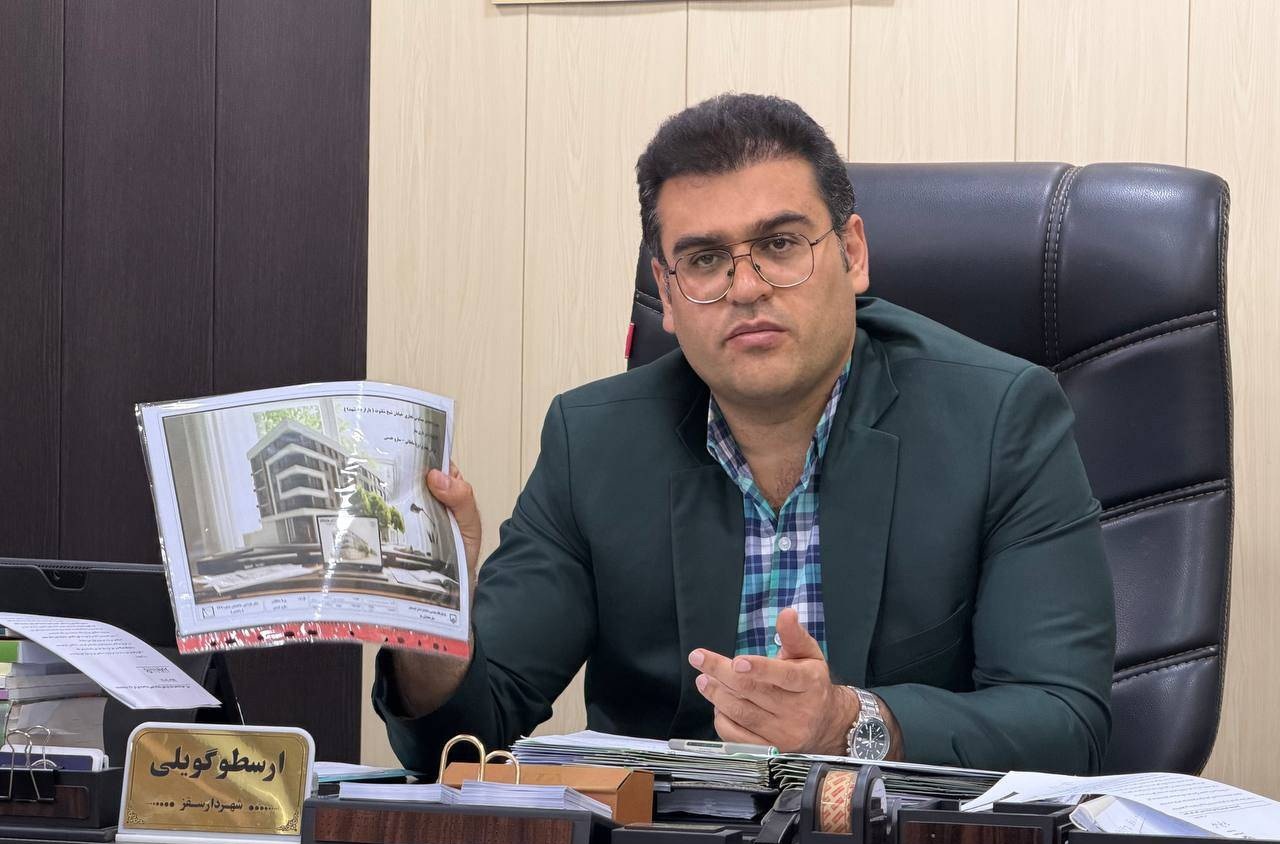
The Mayor of Saqqez announced the start of the plan to buy surplus books from citizens and stated: This is a cultural initiative to prevent the destruction of written works and support the reading cycle, and is designed to provide a solution for reconnecting families with the cycle of knowledge and study.
Arastoo Goili continued: In recent days, reports have been received about the sale of home libraries at the price of waste paper, which is a “serious alarm bell for the city’s cultural heritage.” Implementing this initiative is considered a way to preserve Saqqez’s intellectual capital and prevent the waste of written works.
He emphasized: A book is not an ordinary commodity that can be weighed and categorized as waste; rather, it is a part of the city’s cultural memory, and its destruction is considered a direct damage to the intellectual capital of society. For this reason, the municipality has decided to buy surplus books at a price higher than the waste paper rate, so that families are not forced to sell their books for a negligible price, and the books are also diverted from destruction.
The Mayor of Saqqez stated that the received books will be registered, categorized, and repaired if necessary, adding: After this stage, the books will be distributed through a network of cultural centers including public libraries, schools, cultural centers, local libraries, mosques, and urban reading stations, to be made available to enthusiasts again.
Goili further added: In addition to its supportive aspect for families, this plan is a fundamental step in strengthening the reading movement in Saqqez and can reinforce a healthy cycle of knowledge transfer in the city, turning Saqqez into a model for other cities in book preservation.
He referred to the initial public reception, saying: Many citizens, through their calls and visits, have supported this cultural initiative and announced their willingness to provide their unused books to the municipality for cultural exploitation. This public cooperation shows that the concern for preserving books is alive in Saqqez, and we only need to provide the right path for books to be used again.
Goili also spoke about the developmental plans for this project, adding: Establishing a book exchange center, strengthening reading stations in urban spaces, and broader cooperation with cultural associations, book-loving philanthropists, and the library network are among other developmental plans in this area. Saqqez Municipality strives to ensure no usable book is removed from the cultural cycle, and every written work gets a new opportunity for learning and nurturing the future generation.
The Mayor of Saqqez asked citizens to entrust their books to the municipality before selling them for a low price, so they can be placed on the right path; because a book is a valuable trust. If it leaves a home, it is better for it to go into the hands of those who need it, not into recycling and conversion into pulp.
Implementing such a plan can be a new model for urban cultural management; a model that both reduces financial pressure on families and prevents the waste of knowledge resources. Books that might have settled in the corner of shelves now have the opportunity to re-enter the lives of others and create a dynamic cycle of reading and learning. If this plan continues with public participation, it will transform Saqqez into a city with active book circulation; a city where no book is discarded.





