Book Sector Activists Will Join the Art Fund
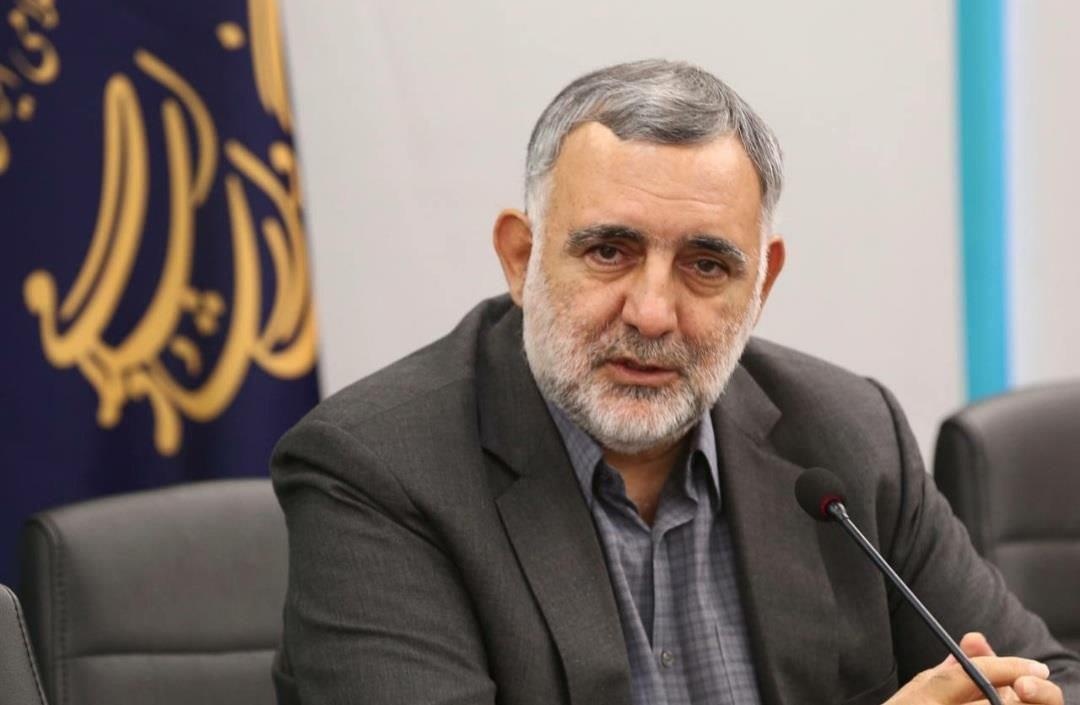
According to the correspondent of Iran’s Book News Agency (IBNA) in Mashhad, Mohsen Javadi stated on Thursday at the meeting of printing and publishing ecosystem activists in Khorasan Razavi, referring to the lack of a Faculty of Culture and Art in Mashhad: I believe it is already late to establish this faculty. Khorasan has always been and remains a pioneer in culture and art. Khorasan’s culture is widespread everywhere today, and I will definitely follow up on this issue. On the other hand, the Planning and Budget Organization also has a nationalism project on its agenda, and we are looking to finalize the establishment of a specialized Shahnameh faculty.
Lack of Publishers’ Union in Khorasan Razavi
He added: In Khorasan, we have a stationery and book union, but we do not have a publishers’ union. We are working to launch this union. Booksellers face many problems, and many of them are tenants, so this profession is not profitable for them; that is, paying rent hinders their work. Bank Melli has announced its readiness to cooperate with booksellers to solve this problem through lease-to-own agreements.
Purchasing books from novice authors will be under the authority of general directorates
The Cultural Deputy of the Minister of Culture and Islamic Guidance continued: One of the tasks on our agenda is the purchase of books from novice authors, a matter that had been out of the provincial general directorates’ authority for a long time. God willing, we will soon return this authority to the provinces. Also, God willing, all book sector activists, such as editors, page designers, etc., will soon join the Art Fund.
The Cultural Deputy of the Minister of Culture and Islamic Guidance said: After the book fair, we encountered war, and our programs in the field of exporting printed products, from legislation to decision-making and implementation, were halted until the post-war period. Now, the grounds for re-pursuing the export of printed products are being laid again. Six or seven million Iranians are abroad, and they need textbooks. We are now again seeking to revive past efforts to solve export problems.
Regarding paper, he said: In recent years, the government had only allocated foreign currency for one type of paper, which was not made available to us. After serious follow-up, this problem was resolved, but we still cannot use it because we are involved in completing its legal procedures.
Problems with dedicated foreign currency for paper
Referring to the problems with dedicated foreign currency, he said: Some profiteers use dedicated foreign currency for personal matters. We are seeking to make this currency dedicated, meaning that only paper can be purchased with the foreign currency specifically allocated for paper.
Javadi stated that 1200 tons of white paper were imported last year, adding: Permission has been granted to import paper with exchange currency. The international price of paper is good, but it might fluctuate quickly. I hope the upward trend of paper prices stops. Through our investigations, we realized that if we have about 30 tons of paper, it might be enough for about 6 months, but we do not have the ability to purchase this 30 tons of paper all at once. Currently, there are 5,000 tons of paper in the country.
Renovation of the Printing Fleet
Regarding the renovation of the printing fleet, he said: We are seeking special funding for the renovation of the printing fleet, but it requires time.
Javadi spoke about the necessity of civilization-building, stating: This year marks the 1500th anniversary of Mesopotamian civilization, and good credits have been defined for projects related to this civilization-building, which will be announced soon, God willing.
Necessity of delegating authority to provinces
In another part of this meeting, Hossein Mesgarani, Director General of Culture and Islamic Guidance of Khorasan Razavi, said: For some time, we have summarized the system of issues with some cultural managers of the country, by order of the Minister of Culture and Islamic Guidance, and among them, we reached 8 issues. One of these issues was the delegation of authority to the provinces, for example, the purchase of books from novice authors, which was previously within the authority of the provinces but was withdrawn from them for some time.
Establishment of an independent printing industry union
He also considered the establishment of an independent printing industry union as one of the demands of the General Directorate of Culture and Islamic Guidance of Khorasan Razavi province and emphasized that this union needs national support.
Mesgarani spoke about the conditions of the printing industry, stating: Nowhere else in Iran is there such capacity for the development and export of the printing industry, and this requires special support.
Regarding the necessity of future studies, he said: Looking ahead 20 years, we must see where we want to go in the printing industry. Will bookstores with their current methods be adequate for the next 20 years? If not, we must start planning for the future now.
Budget deficit; the reason for the closure of Mashhad Book Fair
Hossein Mesgarani, referring to the Mashhad Book Fair which has been closed since the pandemic, clarified: We pursued the re-establishment of the book fair but found it would cost about 20 billion [currency unit], and we do not have this amount.
He requested from the Deputy Minister: This exhibition is a good capacity. We have very good writers, poets, translators, publishers, and authors in Mashhad, all of whom have this demand from us.
Continuing the meeting, publishers from Khorasan Razavi province raised their demands and problems, such as the issuance of fake FIPAs for some books, monitoring the paper market, high paper prices and lack of quotas, problems with printed exports, inability to insure publishing office employees, possibility of supplementary insurance for publishers, and the intervention of security agencies in printing houses.
Also, the monopoly of electronic publishing by a few platforms, decrease in readership and decline in book print runs, the necessity of initiating the cycle of purchasing books from novice authors, and the long process of obtaining a publishing license were among other issues raised by publishers.





