A Book Banned Both Before and After the Revolution
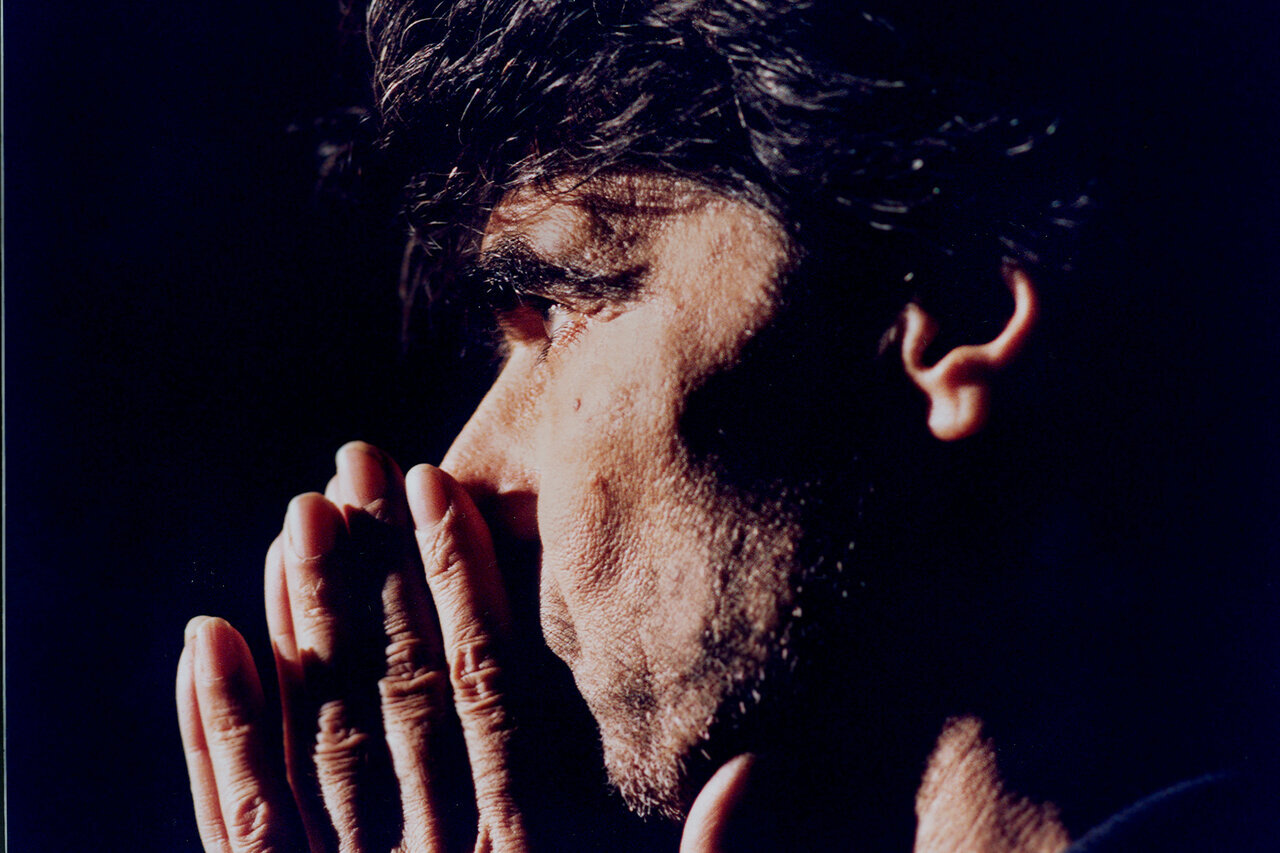
According to Khabaronline News Agency, in the years we have spoken mostly about the cinema of the late Naser Taghvai, it seems we have forgotten that before the camera, the word was his primary tool for narrating the world; a world that, if ‘That Summer’ had not been banned, today we would also see a part of the structure of contemporary literature — alongside our cinema — resting on his shoulders.
In a recent interview with Ali Massoudinia, a writer and literary critic, at Khabaronline’s Cafe Khabar, he said: ‘…In fact, I want to say that Taghvai’s virtues went even beyond mere indigenization. Otherwise, ‘That Summer’ would not have been banned, and it’s strange that it is still banned! And it’s a pity that over the years, no one has considered what could be the reason for banning such a work? Will a few words and a few fictional scenes contrary to our wishes lead society to corruption, while the multitude of vulgar films on cinema screens that the general public watches with their families will not? Have we ever asked ourselves how many people read stories these days? And why don’t we realize that the audience who reads stories these days is so elite and specific that they won’t be led astray by such things! And isn’t it truly strange that we are talking about a nonexistent collection? A collection that can only be found in the backrooms of Enghelab Street, among secondhand books, and on the stalls of offset sellers. This is terrifying and, due to its terrifying nature, laughable. That’s why, personally, no matter how hard I try to understand the cultural policies of at least the last three or four decades, I cannot. Because all of it is wrong. I said all this to get to the point that the collection ‘That Summer’ still works. That is, it is not limited to a political discourse with an expiration date and is beyond that.’
Read the full text of this interview here.
Ali Massoudinia, writer and literary critic