The Suffering of the Prophet’s Daughter (PBUH) Narrated from Her Own Words
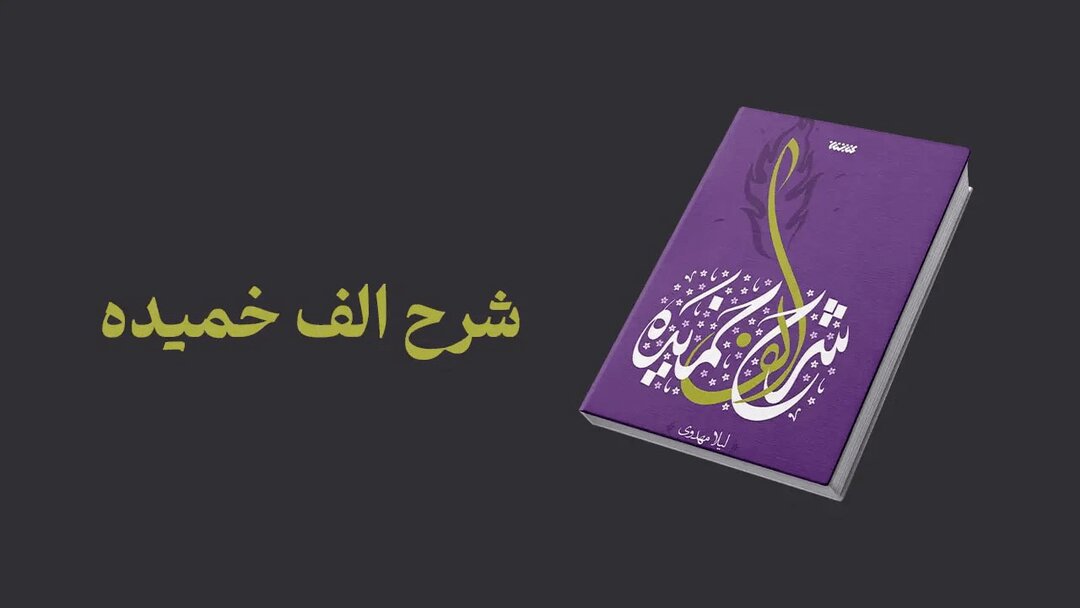
According to the Mobligh Thought and Culture website, the season of Fatimiyyah has arrived again; a season to revisit pain, nobility, and steadfastness. In these days, “Sharh alif Khamideh” is an invitation to reflect on the life of a Lady who taught both freedom and the meaning of resistance.
“Sharh alif Khamideh,” authored by Leila Mahdavi, is a work between history and literature; a documentary-fiction that attempts to express truth in the language of the heart through narrative and emotion.
According to Fars News, this book is written with a narrative approach based on credible Shiite and Sunni sources, recounting the life of Lady Fatimah Zahra (PBUH) from birth to martyrdom in Medina. The author uses three narrators to recount different aspects of her life: Lady Khadijah al-Kubra (PBUH), Lady Fatimah Zahra (PBUH), and Asma bint Umays. Such a structure gives the work a polyphonic quality, allowing the reader to experience the life of the Prophet’s daughter (PBUH) from the perspective of the women closest to her; from her childhood days in Mecca to the sorrowful days after the Prophet’s passing in Medina.
“Sharh alif Khamideh” is neither merely a retelling of history nor purely an emotional narrative. This book stands between the two worlds of intellect and heart; precisely where Fatimah (PBUH) stood. Leila Mahdavi has not neglected imagery in her prose, creating moments that sometimes approach poetry. Describing the Lady’s illness, she writes: “Fatimah was in bed, growing weaker each day; like a candle melting, like a fish under a shadow…” Such moments dissolve the bitterness of history in literary language, allowing the reader to both feel the sorrow and appreciate its grandeur. The author, in an interview about the creation process of this work, said: “Writing about Lady Fatimah Zahra is a great and difficult task. Any work in this field can perhaps only reflect a drop from the boundless ocean of her life.” With the help of her narrative editor, she has created a work that is both faithful to historical documents and utilizes a story-like structure for greater impact.
According to Mahdavi, she initially intended to write the narrative from an omniscient perspective but eventually adopted a first-person point of view; a courageous decision that allows the audience to hear the Lady’s sufferings and steadfastness from her own words and those of her close ones. This choice transforms “Sharh alif Khamideh” from a purely historical account into an internal and vivid experience.
The climax of the book is the narration of the Fadak sermon and its final chapter; where Ali (PBUH) speaks to the lifeless body of his wife, and words fail to convey the narrative’s intensity. That is where history becomes a lump in the throat, and literature breaks into tears.
“Sharh alif Khamideh” describes the bending of the body and the steadfastness of the soul; the story of a Lady who, in the shortest life, achieved the longest resistance. This book has established its place among contemporary ritualistic works as an honest and emotional narrative of the life of Fatimah Zahra (PBUH).
Ketabestan Marefat Publications released this work in the summer of 1401 (Solar Hijri calendar, corresponds to 2022). Audiences of religious literature, especially during the mourning days of Fatimiyyah, can through it not only read history but also feel the “sacred pain”; a pain that passes through walls and shines eternally on the pinnacle of faith.