Hormozgan literature is a remnant of ancient Persian literature.

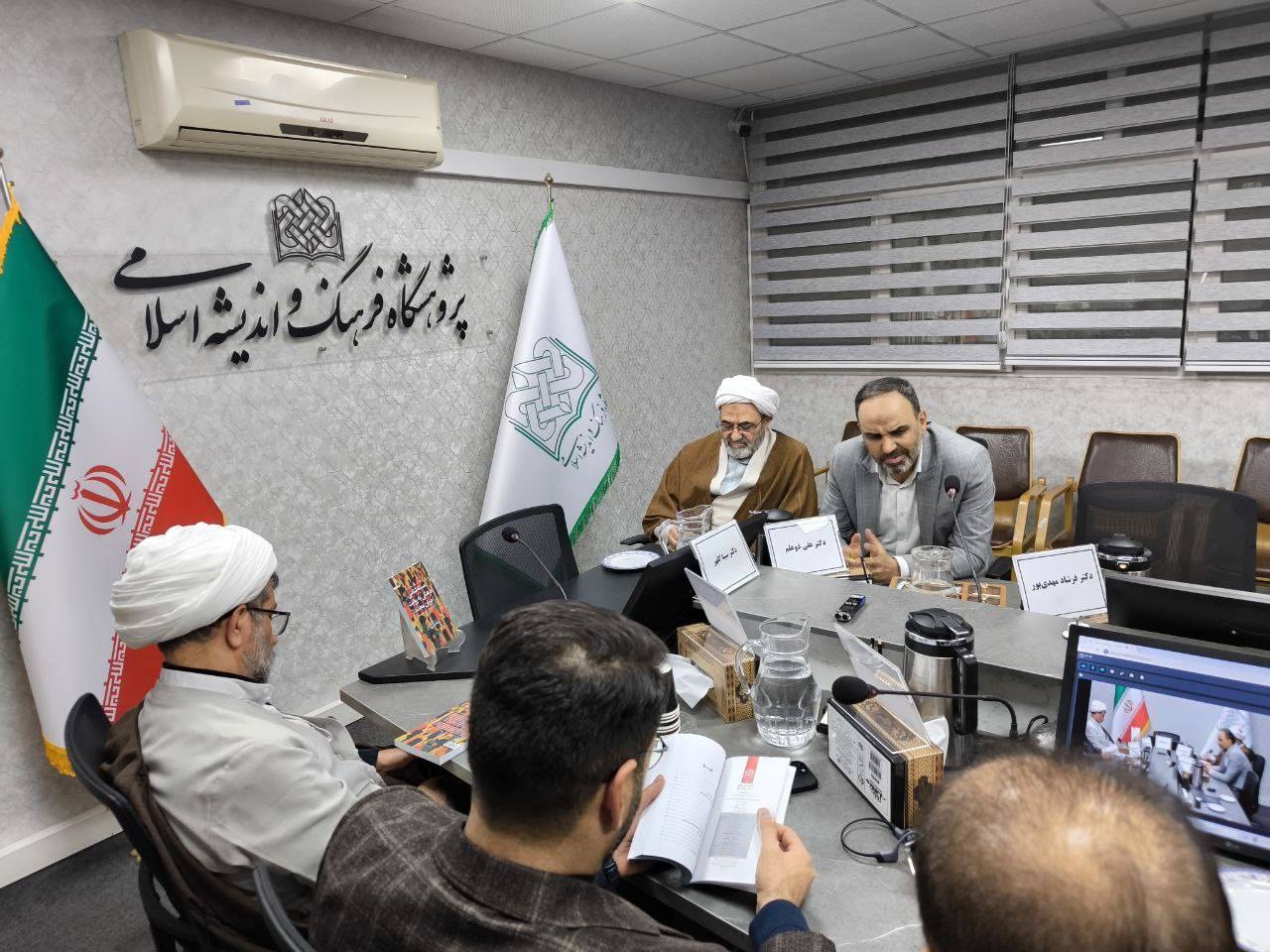
According to the correspondent of the Iran Book News Agency (IBNA) in Bandar Abbas, Mohammadreza Tavallaee stated in the meeting of the Andisheh Literary Circle: Bandar Abbas is an example of cultural coexistence, and if we do not transmit our culture correctly, we cannot hope for a bright future.
He added: Bandar Abbas is a symbol of cultural diversity and richness; from attire and dialect to pleasant local music, this city has much to say, and Hormozgan literature is a remnant of ancient Persian literature, and it is our duty to strive to preserve its words and terms and to cherish the rich culture of Hormozgan.
Taballaee called Hormozgan the ‘City of 72 Nations’ and considered it a model for the coexistence of the country’s public culture, emphasizing: In every city and village of this province, ethnic and linguistic diversity is significant, and if the cultures that connect us are forgotten, we will lose the beautiful moments of being together.
Zeynab Dastfal, the literature secretary, also said in this meeting while congratulating Students’ Day: The people of Hormozgan, with hearts as vast as the sea, welcome every ethnicity and religion, but unfortunately, due to ignorance, our cultural authenticity has faded.
Subsequently, Sadegh Jafari, the head of literature group 1 of Bandar Abbas, referring to the coexistence of ethnic groups in Bandar Abbas, stated: This city, due to the presence of various cultures and ethnicities, is one of the most culturally rich areas of the country, the manifestation of which can be beautifully observed in Muharram mourning ceremonies.
Also, Farzaneh Farokhinejad, a poet and songwriter from Hormozgan, after singing three songs in Bandari, Shirazi, and Abadani dialects, expressed regret over the forgetting of authentic Hormozgani words and emphasized their revival.
In the final part of the meeting, students from various cities and dialects shared their lived experiences. Their interest in learning local dialects promised the beginning of a new path for preserving public culture.
The book ‘Student and Social Ethics’ written by Javad Mohaddesi was introduced to the attendees. This work, relying on religious teachings, explains social behaviors and the do’s and don’ts of social interaction.