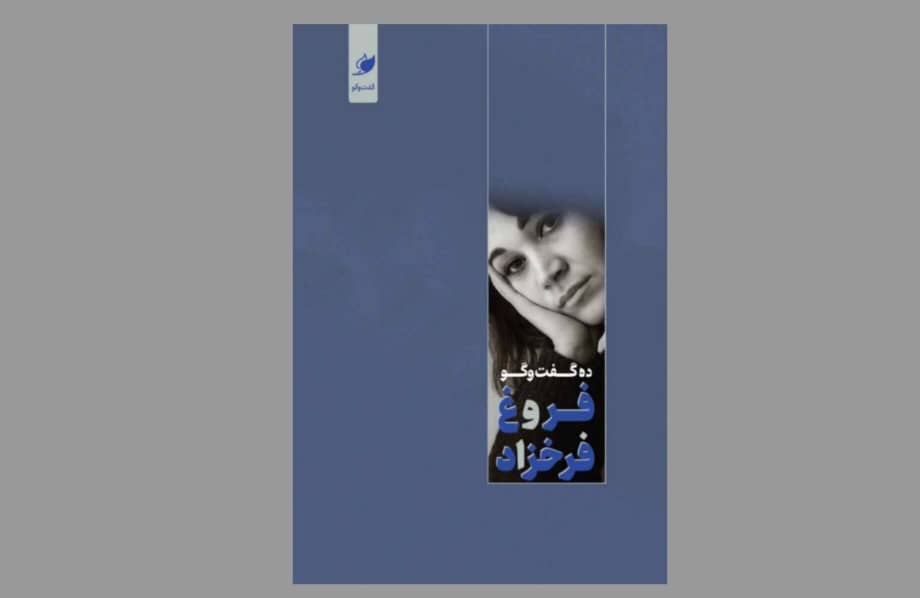
“Crisis Narration Crisis”; a book for understanding multilayered crises / Registering forgotten points of the history of the revolution
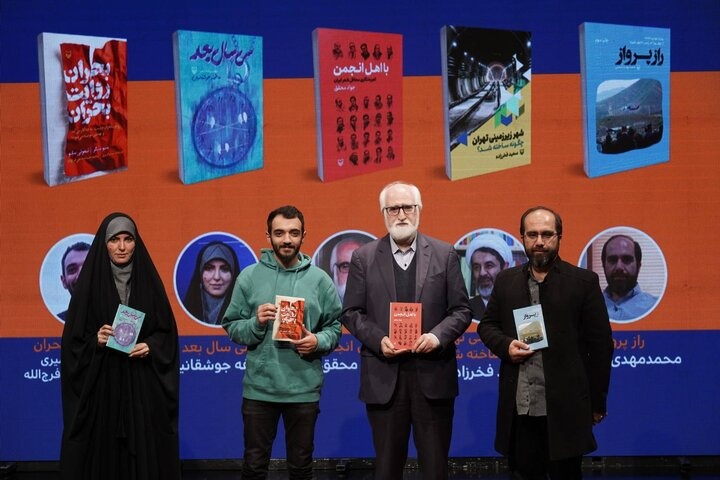
According to Iran Book News Agency (IBNA), the third “Ta Ketab” event was held on Monday, Azar 24, at Hozeh Honari, attended by Mohammad Hessam Hajifarajaleh (translator), Mohammad Mahdi Eslami, and Saeed Fakhrzadeh (researchers).
Mohammad Hessam Hajifarajaleh, translator of the book “Crisis Narration Crisis,” said: A review of the list of natural and unnatural crises in the world shows that Iran has experienced more than 80 to 90 percent of these events, and from this perspective, the country can be considered among crisis-prone regions. In such circumstances, addressing the experiences gained from crises and registering them in the form of narration is an undeniable necessity.
He continued: In journalistic and non-fiction literature, there is a genre called chronography or crisis narration, which tries to transfer experiences from crises to the audience in the form of narration, and from its heart, solutions for confrontation, management, and reduction of damages are extracted. On the other hand, the accumulation of these narrations over time leads to the education of more aware and resilient audiences against crises, ultimately leading to the formation of a society with higher capabilities in risk and crisis management.
The translator stated: Despite multiple capacities and experiences, crisis narration in Iranian literature has not reached sufficient richness, and the number of prominent works in this field does not reach the fingers of one hand. For the development of crisis narration, cooperation between crisis management organizations, the Red Crescent, emergency services, fire departments, and literature experts is essential; a subject that motivated the formation of the “Crisis Narration” collection at the Writing School institute.
Hajifarajaleh said about the book “Crisis Narration Crisis”: In this work, two communications professors examined the nature and specifics of crisis and different types of narration in dealing with it, showing that crisis narration is a complex, multilayered phenomenon requiring diverse knowledge such as psychology, sociology, narratology, and geography. Although this book has an academic nature, it is written in a way that is also usable for the general audience and can be used as a practical guide for journalism students, field reporters, and enthusiasts in this field.
The path to localizing metro construction technology
Hojjatoleslam Saeed Fakhrzadeh, author of the book “How was the underground city built?”, said: In the past four decades, a series of important events have occurred in the country that have transformed Iran into a powerful country reliant on internal capabilities; events that are the result of the efforts of committed and specialized forces in various fields including industry, urban development, military issues, and medicine, and addressing the narration of these achievements is considered a serious necessity. This concern gradually formed in Hozeh Honari, and with the entry of Mohammad Mahdi Dadman, the ground for starting serious projects in this field was provided. In this path, several narration-centered projects were defined, among which we can mention the compilation of the memoirs of Martyr Hossein Amirabdollahian, which was published in the form of the book “Sobh-e Sham.”
He added: Another of these projects was addressing the topic of the metro; a subject that perhaps initially was less seen as an achievement, but by entering into conversation with engineers and executive managers, it became clear that metro construction was one of the country’s most important and complex national projects, which was entirely completed by internal forces.
This researcher stated regarding the challenges of metro construction in Iran: The metro plan began during the Pahlavi era with the participation of foreign companies, but due to political crises and strikes in the years leading up to the revolution, the project remained halted in its initial stages. After the victory of the revolution, due to the specific conditions of the country, the lack of established laws, and the very high costs of the metro, this project faced serious challenges, and at one point, metro construction was even considered a luxury urban project.
Fakhrzadeh said: Despite these conditions, ultimately, and with persistent follow-ups, the decision was made to continue the project; without the allocation of direct state budget. This was while the country possessed neither the necessary technical capability, nor sufficient engineering experience, nor the logistical infrastructure required to implement such a project. With the selection of a “Jihadi manager” and reliance on internal ingenuity and creativity, the path to localizing metro construction technology began, and over approximately 12 to 13 years, a significant portion of metro lines and tunnels were constructed. Subsequently, with the start of operations of metro lines during the Khatami government, this network entered the flow of urban life, and its effects are clearly visible today.
The shock of the president’s helicopter disappearance
Mohammad Mahdi Eslami, author of the book “Raz-e Parvaz” (Secret of Flight), said: On Sunday, Ordibehesht 30, 1403 (May 19, 2024), around 4 AM, the news of the president’s helicopter disappearance was a major shock to all of us. I was present in one of IRNA’s buildings and receiving multiple calls from friends and media outlets for additional information. At first, I thought it was a joke, but subsequent contradictory news showed that a bitter reality had occurred, and parts of it were still ambiguous. To respond to inquiries, Mehdi Mojahed, special follow-up deputy to the president, was one of the primary sources of news, and the latest information reached us through him. A few days later, Mohammad Dadman proposed that a collection of narratives from the close associates of Martyr Raisi be placed on the agenda of the Islamic Revolution Narration Club. A newly established club whose goal is to register the neglected points of the revolution’s history and train narrators to fill these gaps.
The author of the book “Raz-e Parvaz” stated: He (Mehdi Mojahed) was generally media-averse, and there is only one photo of him with Martyr Raisi, which was taken accidentally. Convincing him for a detailed interview was difficult, but our strong point was his special position and proximity to the president, which allowed for unique narrations to be provided.
Mohammad Mahdi Eslami said: Contradictory news was published, including Israel’s involvement or some neighboring countries, disturbances and noises in the region that ended after finding the body of Martyr Raisi, the unexpected turn of the helicopter, the possibility of hacking the pilot’s navigation tablet, and even the hypothesis of using a supersonic weapon. These events increased the attractiveness of the narration and indicated the highly ambiguous aspects of the incident. However, the book’s narration began two days before the martyrdom and continued until the martyr’s funeral. Memoirs from the 2017 election, Astan Quds, the judiciary, the presidency period, and companions of the martyr such as Martyr Mousavi were also recorded.