Geography and local language bring the soul of the story to life
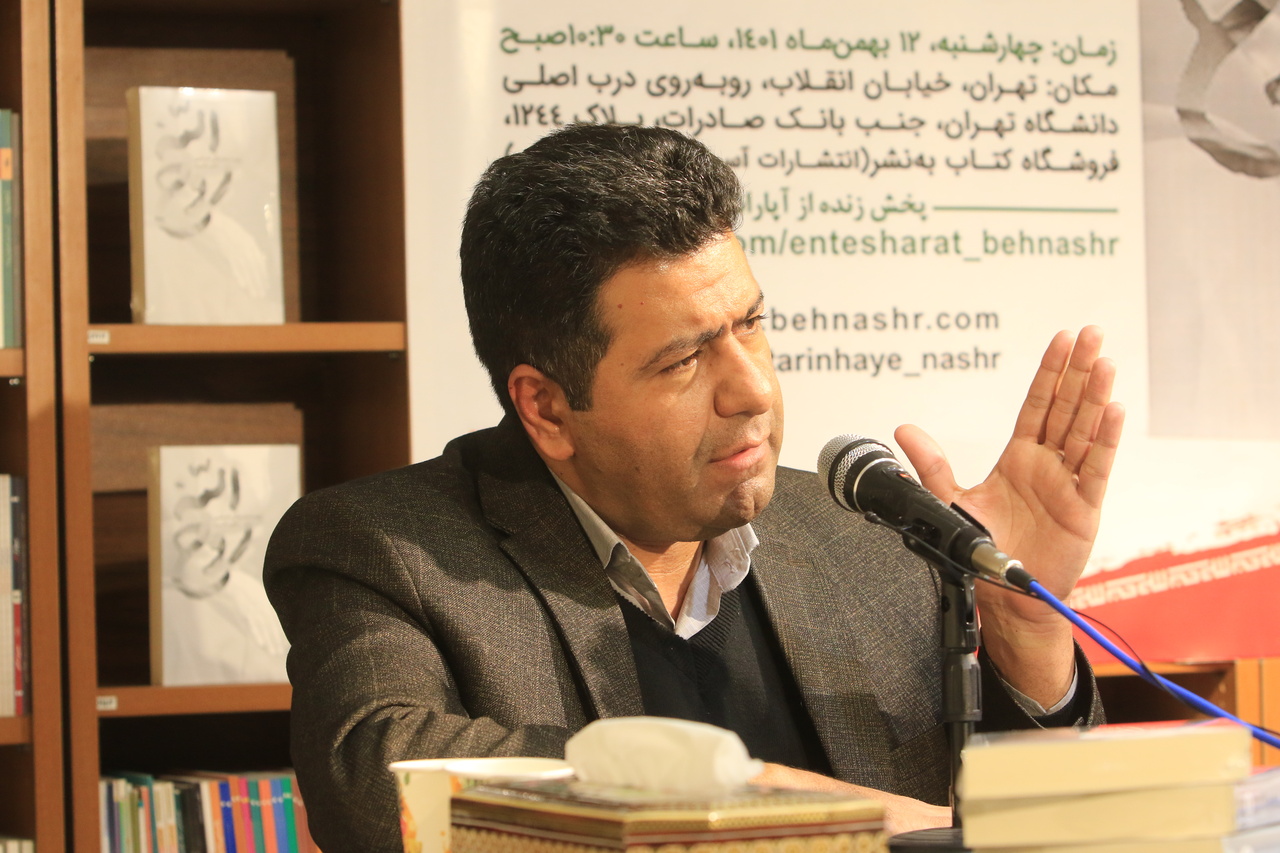
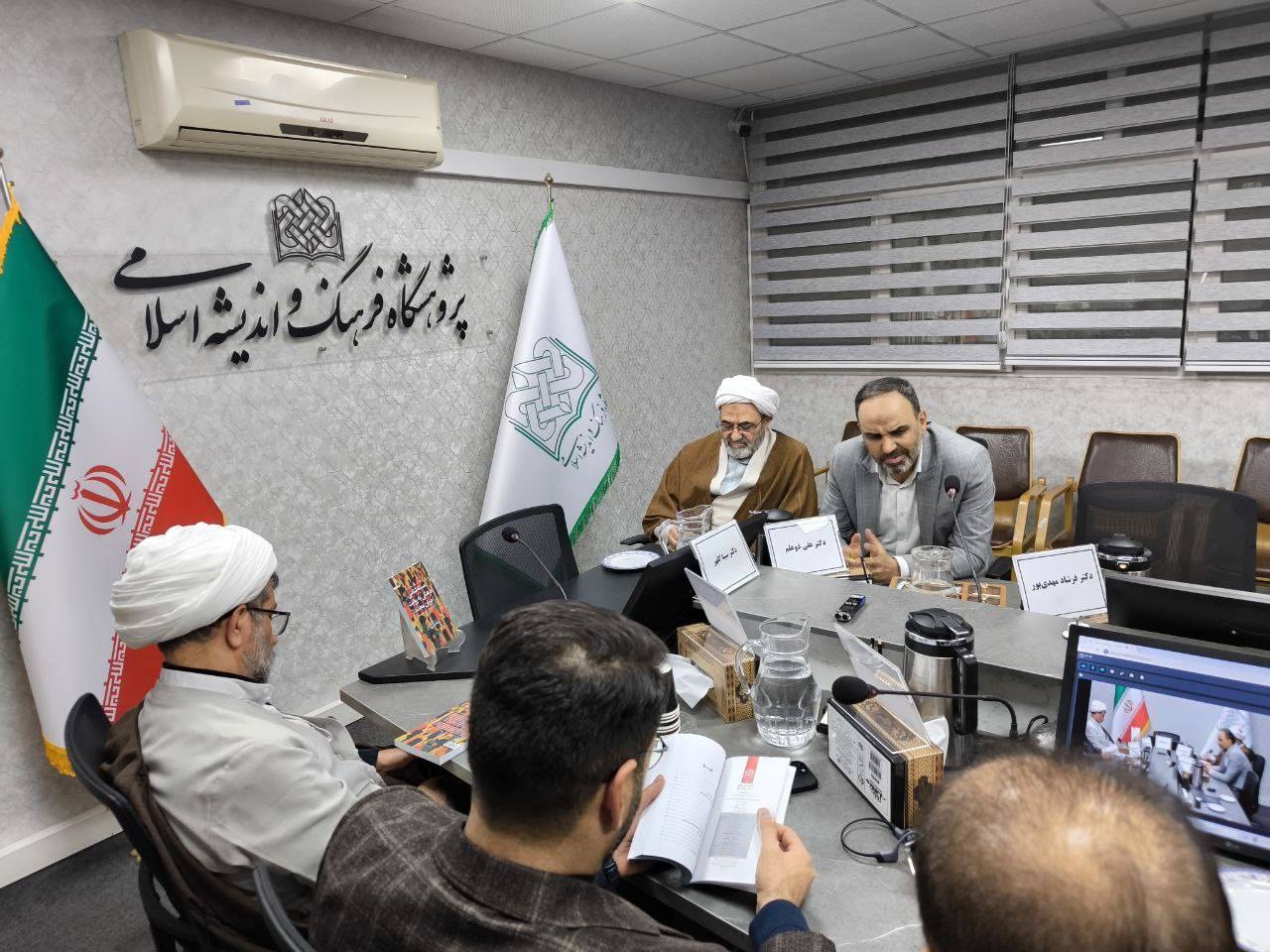
According to the correspondent of the Iran Book News Agency (IBNA) in Arak, Hadi Hakimian, author of the book “Rouhollah,” in a meeting with a group of writers and storytellers held at “Saraye Ravayat” (House of Narrative) in Arak, pointed to the role of indigenous language and local idioms in the credibility of narratives, adding: “The writer must pay attention to their climate and geography; because the story and characters only gain meaning when we know in which city, with what characteristics, and in what social context the narrative takes shape.”
The author noted: “A writer must be sensitive to regional vocabulary and tone, because these elements give life to characters and make the narrative space more realistic.”
Referring to his personal experience in writing the book “Rouhollah,” Hakimian stated: “I have tried to incorporate climate, culture, and language into the text not merely as decoration, but as part of the narrative’s framework; because these elements keep the collective memory of a nation alive within the story.”
He added: “Sensitivity to regional vocabulary and tone not only helps make the setting more realistic but also connects the reader more deeply with the world of the story.”
In a part of the book “Rouhollah,” we read: “The city was not just a background to life; it breathed, looked, and sometimes even made decisions before people did. The alleys were witnesses, and the walls held secrets.”
This literary meeting concluded with a discussion among the attending writers and questions raised about lived experience, local narration, and the relationship between literature and cultural identity.