Lithographed books are Iran’s valuable cultural and educational heritage.
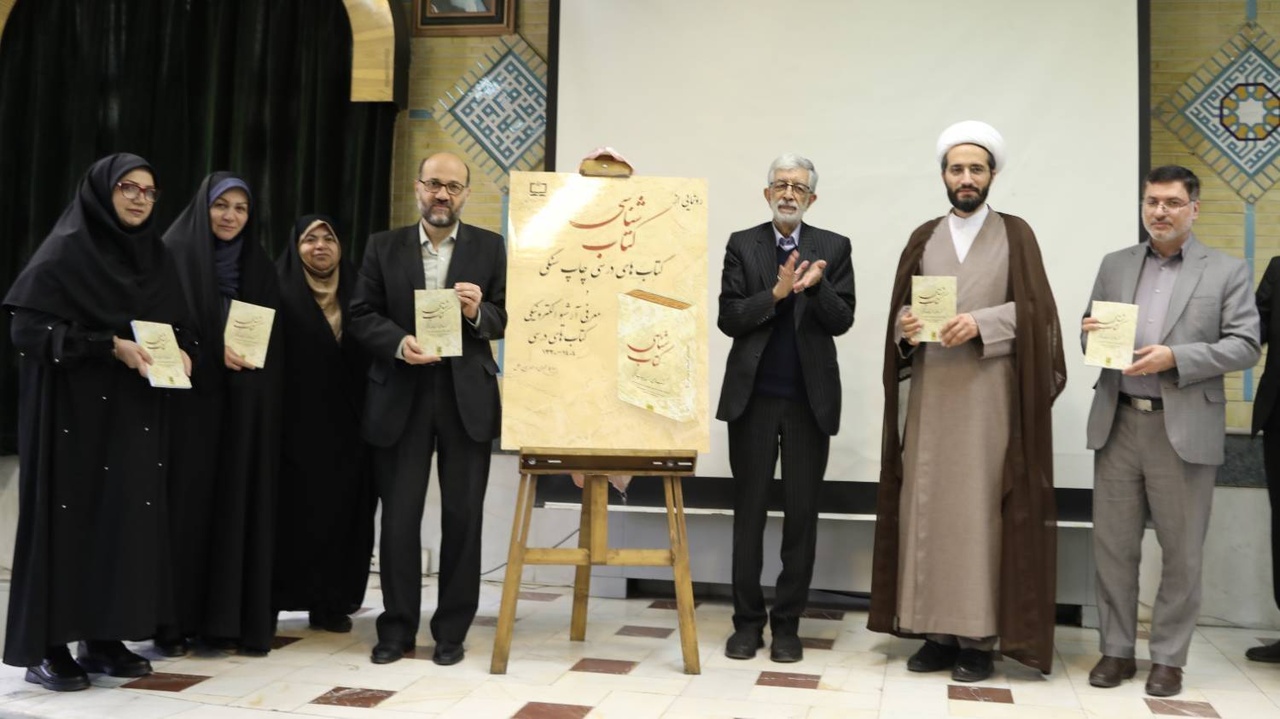
According to Iran Book News Agency (IBNA), quoting from the Public Relations and International Affairs of the Organization for Educational Research and Planning, the unveiling ceremony of the bibliography of lithographed textbooks and the introduction of the electronic archive of textbooks was held with the presence of Gholamali Haddad Adel, member of the Supreme Council of the Cultural Revolution and member of the Board of Trustees of the Organization for Educational Research and Planning, Gholamreza Amirkhani, Head of the National Archives and Library Organization of the Islamic Republic of Iran, Hojjat al-Islam Ali Latifi, Deputy Minister and Head of the Organization for Educational Research and Planning, and members of the Council of Managers and experts of the organization.
Amirkhani, Head of the National Archives and Library Organization of the Islamic Republic of Iran, in a speech, referred to the history of lithography in Iran and stated: After its introduction to the country, lithography was very well received, especially in writing sacred texts such as the Quran and prayers, and due to its greater compatibility with Persian writing, it provided the possibility of presenting illustrated texts of higher quality.
He added: This valuable collection is not only important from an educational perspective but also a historical document that demonstrates past experiences and efforts to preserve the country’s cultural and educational heritage.
Rereading Memories and the Cultural Value of Textbooks
Amirkhani, referring to the memories of veterans, said: These efforts are a foundation for the continuation of cultural and educational activities and a reminder of the experiences and commitments of individuals who have dedicated their lives to libraries and education. Access to these documents, sweet memories of childhood and adolescence, and past educational experiences can be a source of creativity and innovative actions in literature and various sciences.
He also pointed to the importance of lithographed textbooks and said: Old versions of Persian, mathematics, and other textbooks are a reminder of our national and cultural assets. This action can strengthen the interest of the new generation in the country’s educational heritage.
Appreciation of Stakeholders and the Importance of Inter-organizational Cooperation
Amirkhani, while appreciating the efforts of colleagues and researchers of the Organization for Educational Research and Planning, said: This bibliography and archive are a national and cultural asset, and cooperation between organizations can expand and consolidate access to this heritage. I hope these actions will be a prelude to other lasting programs and projects, and researchers will be able to benefit from these resources.
He concluded his speech by recalling the Iranian nation’s resistance against hostilities, emphasizing the importance of defending the country’s cultural and national heritage, and expressed hope that these projects would be a beginning for the preservation and transmission of cultural heritage to future generations.





