The Theatricalization and Limited Reach of Book Week

Previously, I briefly reviewed the history and goals of a national program called Book Week, and now I endeavor to evaluate it based on its defined fundamental components.
Maximum Inclusivity
Book Week programs have not yet achieved sufficient inclusivity and reach as they should, and we do not witness reading becoming a “concern and preoccupation” not even at a governmental level, let alone among the general public. This program has not gained a strong foothold extensively and institutionally in the public and governmental sectors. What is observed as Book Week programs in the public sector, organizations and institutions of the three branches of government, military and law enforcement forces, banks and economic institutions, factories and the industrial sector, markets and guilds, and the trade and commercial sector, and even in various ministries under the government, is not extensive or fundamental. This situation is even observable within the Ministry of Culture and Islamic Guidance; meaning that in the press, art, Quranic, and cinematic deputy departments of the Ministry of Guidance, or its affiliated organizations such as Endowments, Islamic Culture and Communications, Hajj and Pilgrimage, Animation Foundation, Computer Games Foundation, cultural centers of mosques, etc., you rarely see manifestations of book-oriented programs during these days. It is even possible that the managers, experts, and employees of these deputy departments and organizations are unaware that it is Book Week and that they, as custodians of culture, should be dedicated to promoting books and reading during these days. (The Public Libraries Institution is an exception among the Ministry of Guidance’s sub-organizations in this regard, as it is fundamentally an organization specific to books and reading.)
Delegation and Reduction of Intervention
Despite the efforts of current, former, and previous managers, a significant number of the main Book Week programs are still planned within the cultural deputy department of the Ministry of Guidance and in the headquarters of this program, which is defined under that deputy department, and are implemented with the budget of this deputy department. Whereas the main and initial goal is cultural development and encouragement, and the registration of programs by the Ministry of Guidance, and their design and implementation by other governmental and private sectors, especially cooperatives, associations, and civil society institutions.
The fact that Book Week is still a governmental and Ministry of Guidance-centric event can have various reasons, including the unwillingness of government managers to interact with others (even with other departments within their own organization, let alone with the private and civil sectors), and the sluggishness and inefficiency of the administrative system, cumbersome rules, and fear of facing supervisory cases are among other reasons. Generally, there is a strong and deeply rooted belief in the administrative system that doing nothing is better than doing something new, untried, and unusual.
Practicality and Avoidance of Showmanship
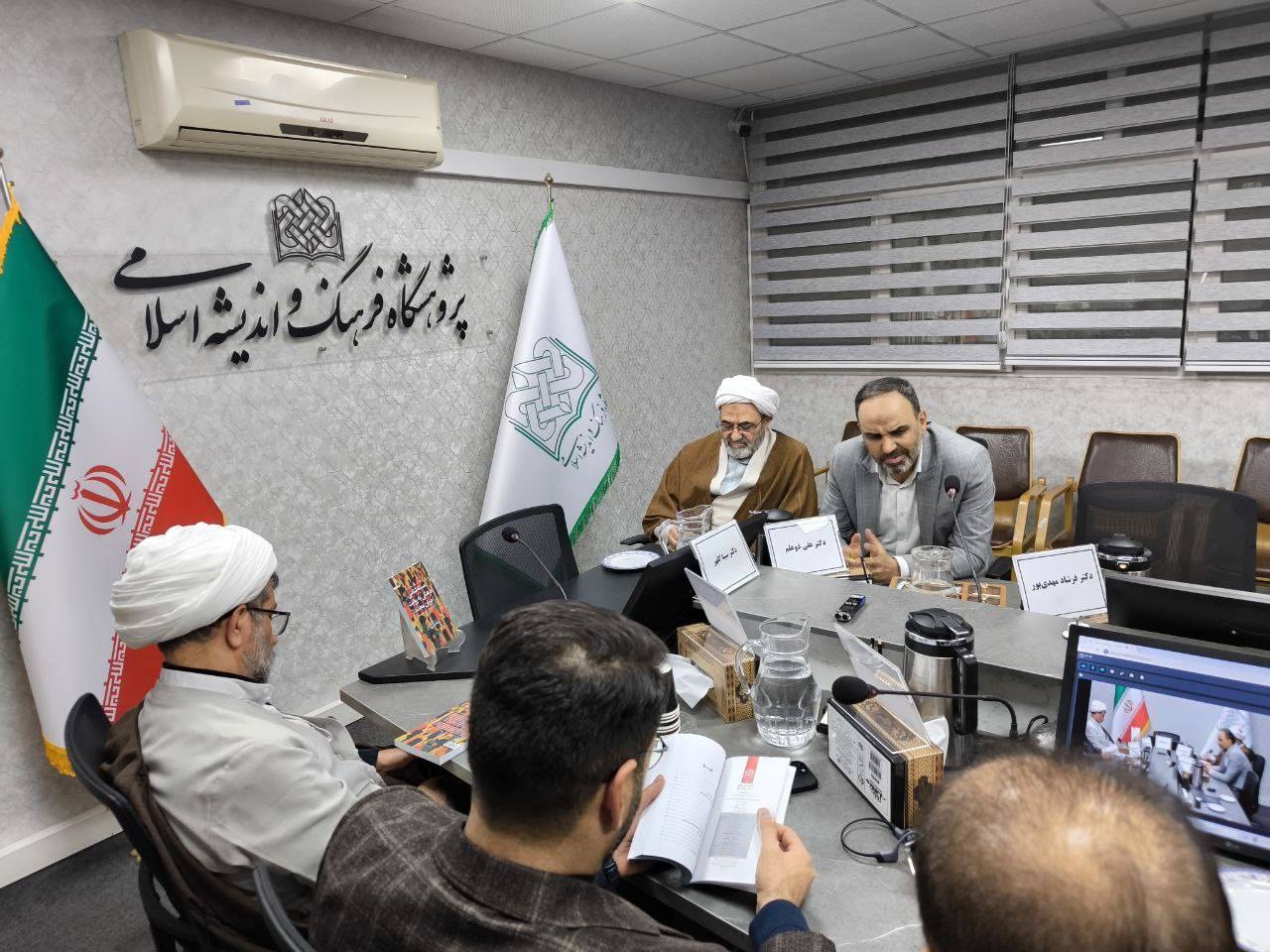
Another issue is the theatricalization of part of the customs of this event. Book Week has turned into a ritual comprising ceremonies. Ceremonies that only have symbolic and performative aspects and are not expected to have practical use or impact. A theatrical and ritualistic approach to Book Week programs is observable in some of its components. Usually, two months before the Book Week, members of the policy-making council, and the secretary and head of this program are introduced by the Minister of Guidance. The policy-making council consists of recognized cultural figures alongside several administrative managers of the Ministry of Guidance. Theoretically, these individuals should formulate policies for this week’s programs, but in practice, council meetings do not go beyond three or four formal and ceremonial sessions where general and foundational discussions are raised. In some periods, where managers fundamentally do not believe in others’ interference in their programs, the holding of policy-making council meetings is limited to a single introductory session and presentation of decrees, and its formality becomes ridiculously evident.
Similarly, another meeting is usually held with cultural associations and organizations in each period, but these meetings are usually abandoned after two or three times, and discussions remain at the level of generalities, preliminaries, general criticisms, and a few minutes for each association to speak. In practice, these institutions do not find a decisive and central role in the policy-making, planning, and evaluation of Book Week.
Delegation and Interaction with Civil Society Institutions and Cultural Associations
A successful Book Week is a completely popular event reliant on civil society. With the same ritualistic and symbolic approach, one month before Book Week, some associations and guilds are asked to announce their suggestions for Book Week. However, usually, there is neither an opportunity for those suggestions nor a budget. Therefore, associations and organizations, depending on their good relations with the Ministry of Guidance and their financial capacity, implement one or more programs they had previously considered, and some can also receive assistance from the Ministry of Guidance for those programs.
Overall, the level of participation of associations and organizations, and generally the non-governmental sector and civil society, in Book Week is usually uninstitutionalized, small, at low and executive levels, and limited to agency and contracting. From this perspective, it can be said that Book Week has not significantly achieved its goal over these sixty years.