University Publishing is a Pioneer of Science and Prevents the Spread of Pseudoscientific Content

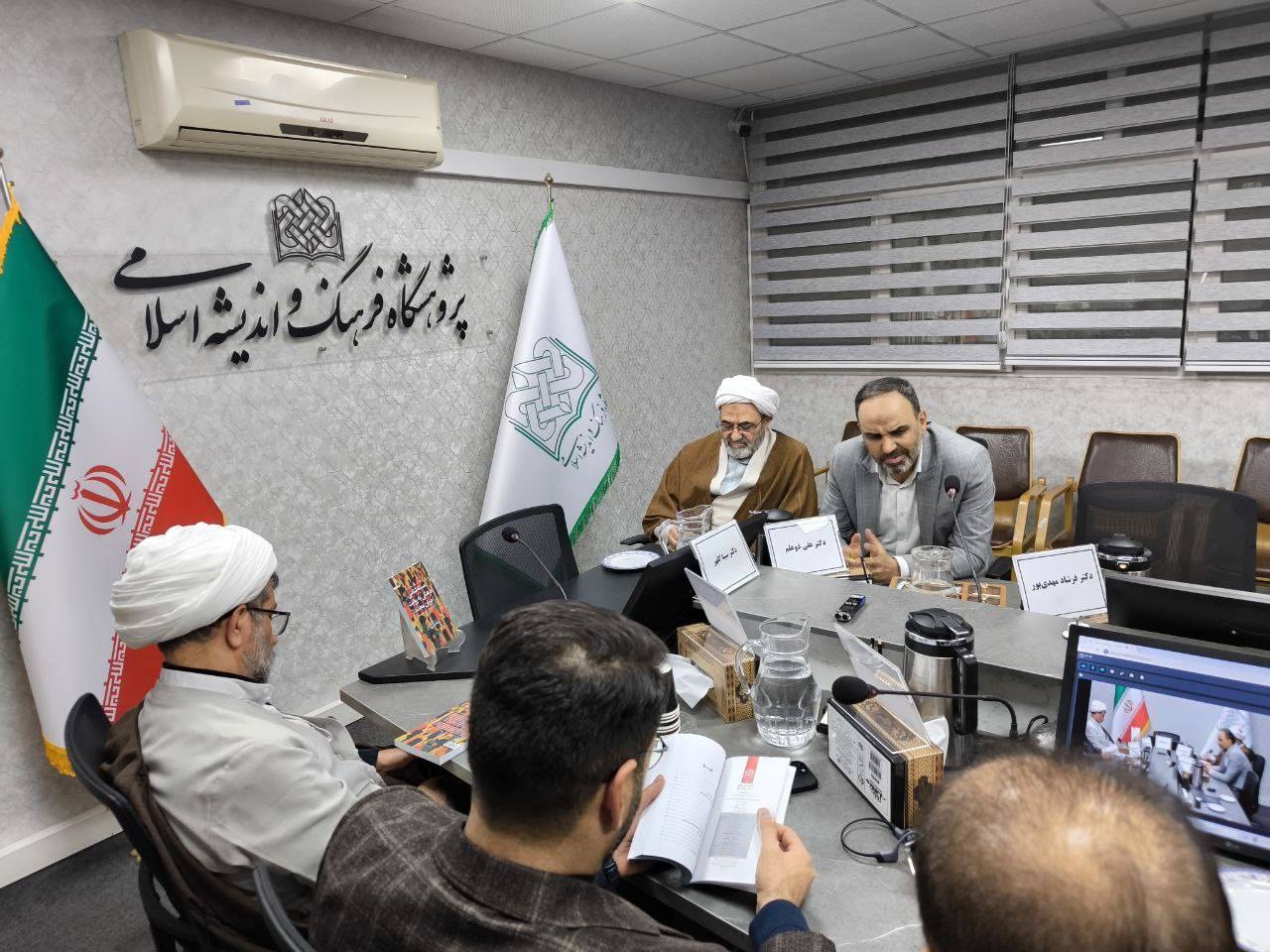
According to a reporter from the Iran Book News Agency (IBNA), the closing ceremony of the Sixth University Selected Book Festival was held on Thursday (December 6th) with the presence of Mohsen Javadi, Deputy Minister of Culture for Cultural Affairs; Ahmad Masjed-Jamei, Deputy Head of the Great Islamic Encyclopedia Center; Amir Masoud Shahramnia, Head of the University Publishing Center; Seyyed Abbas Hosseininiak, Chairman of the Board of Directors of the Cultural Association of University Book Publishers; and a group of university publishers and literati in Shahid Soleimani Hall, University of Tehran.
University Publishing in Iran Has a Thousand-Year History
Javadi, Deputy Minister of Culture for Cultural Affairs, stated that “I believe, in a sense, university publishing has a history of over a thousand years,” adding: “Most works by great Iranian scholars were university publications; including works by Avicenna or Al-Biruni. Furthermore, the works of Iran’s scientific luminaries were taught in major scientific centers around the world with a short delay; for example, Avicenna’s Book of Healing was introduced as a textbook in Paris less than 100 years after its production.”
He said: “University publishing in Iran experienced a period of glory, but unfortunately, this trend did not continue; however, it seems there are signs of hope for the revival of university publishing once again.”
Javadi, referring to the international standing of Iranian creators, stated: “During the Tehran International Book Fair 2025, in the foreign publishers’ section, I saw that Springer Publications had published 100 books by Iranian authors in the last two years, which were purchased by the Cultural Affairs Department of the Ministry of Culture.”
He emphasized the capacity of the Persian language in conveying scientific concepts and appreciated the attention of the Cultural Association of University Book Publishers to the issue of translation.
The Deputy Minister of Culture for Cultural Affairs referred to issues in university publishing, including reliance on handouts, stating: “One reason for students’ handout-reading is the price of university books. To increase book purchasing power, various proposals were submitted and reviewed in the Ministry of Culture and Islamic Guidance; including a ‘Culture Card’ that has been designed and will be allocated to students. Initial discussions regarding support programs have also taken place but have not yet been finalized.”
Javadi emphasized the design of other solutions aimed at supporting students in acquiring study resources, including the creation of welfare funds to provide loans to students from the private sector, as well as the development of electronic publishing, with the goal of reducing the cost of purchasing books.
University Publishing is a Pioneer and Stops the Supply of Pseudoscientific Content
He stated that university publishing is a pioneer, adding: “Valuable university publishing has the ability to stop the production of pseudoscientific sources and affects the scientific atmosphere of society. One of the international experiences is the production of scientific books for public consumption. This method of content production, specifically for the general public, is very effective in preventing the production of pseudoscience and, of course, in boosting the economic prosperity of publishers.”
The Legacy of Veteran University Publishers Should Be Registered
Following this ceremony, Masjed-Jamei referred to the ethical atmosphere of this event as its primary characteristic, stating: “At such events, officials usually speak, and the book awardees do not have a place; therefore, I was pleased that each of the awardees had the opportunity to speak. The second ethical aspect is that the awardees did not forget their colleagues, including authors, publishers, editors, and those who resolved publishing issues; in other words, there was no self-aggrandizement.”
He referred to the registration of the cultural heritage of publishing and emphasized the registration of the legacy of veteran university publishers, including the managing director of ‘Ganj-e Danesh’ publications.
The Deputy Head of the Great Islamic Encyclopedia Center referred to the history of establishing the ‘University Publishers’ section at the Tehran International Book Fair and the issue of the Persian language’s place in science, stating: “The first time the university publishers’ section was created at the Tehran International Book Fair, we had nearly 12 university publishers; the main reason for this initiative was to convey the message that the Persian language is the language of science and progresses with contemporary scientific capacities.”
According to him, in subsequent editions of the fair, university publishers gained special prestige and character by being placed in dedicated booths and locations, and even by designating special purchase vouchers for visitors.
Masjed-Jamei expressed pleasure at the quantitative growth of university publishers, stating: “The activity of 500 university publishers in the country indicates that science in Iran is growing, innovating, creating, and aligned with current global scientific trends; of course, this position does not mean the absence of problems, but this limited dynamism shown by the publishing community has been effective. For example, establishing Persian as the language of science in Tajikistan.”
The Deputy Head of the Great Islamic Encyclopedia Center suggested that a commemoration ceremony be held for the awardees of the Sixth University Book Festival.
University Publishers Are the Most Educated Members of the Publishing Community
Continuing the ceremony, Shahramnia, Head of the University Publishing Center, emphasized the value of honoring creators of university books, stating: “University publishers are among the most educated members within the publishing body and the main agents of knowledge transfer and dissemination; in other words, they are an arm alongside scientific and educational institutions.”
He announced one of the goals of the University Publishing Center in the new era as creating a deep connection between universities and university publishers, and referring to the closure of a significant number of publishing centers in universities, he stated: “Many university publishing centers are closed or in the process of ceasing activity. This trend helps the Cultural Association of University Book Publishers, as a supporter of private sector publishers, to fill the void.”
Shahramnia continued: “In the field of university publishing, we need to be more up-to-date; for example, in the discussion of electronic books and platform design.”
Further in the ceremony, Hosseininiak, Chairman of the Board of Directors of the Cultural Association of University Book Publishers, emphasizing the importance and updating of laws, said: “In the important field of knowledge production and publication of scientific works, we have laws that were approved more than 50 years ago; the Law on the Protection of Authors, Composers, and Artists, which is indeed a good law, was approved in 1348 (1969/1970), and the Law on ‘Translation and Reproduction of Books, Periodicals, and Audio Works’ was approved in 1352 (1973/1974). In total, about 6 laws have been approved in this area, which are, of course, not sufficient to support creators.”
He added: “If we want young authors not to be discouraged from writing, and publishers not to be discouraged from producing, existing laws must be consolidated, clarified, and amended; therefore, existing laws are not sufficient, neither in defining protected works, including electronic works, cyberspace, and artificial intelligence. While in 2024, a law supporting artificial intelligence works was approved in Europe; therefore, it is good that officials in the Supreme Council of Cultural Revolution and the Ministry of Culture and Islamic Guidance review these laws and understand that existing laws must be amended.”
Hosseininiak stated: “Perhaps drafting a new bill is not possible; although this effort began around 1391-92 (2012-2013), a new bill, in my opinion, will not have much meaning or perhaps the necessary effectiveness until our position regarding accession to the Berne Convention and copyright is clarified.”
According to him, “Therefore, at least we can consolidate, clarify, and amend the existing laws, all of which revolve around the Law on the Protection of Authors and Composers. The Cultural Association of University Book Publishers has experience in this. Personally, from 1389 (2010/2011) until now, the Deputy Minister for Cultural Affairs tasked me with amending the laws. This work was done and, after about 15 years of service, was presented to Dr. Salehi, the Minister of Culture and Islamic Guidance. Of course, like other laws, it is amendable. This book was also presented to Dr. Ansari, the Legal Deputy of the President.”
The main proposal and request of publishers from the Cultural Affairs Department of the Ministry of Culture and Islamic Guidance is that the consolidation, clarification, and amendment of publishing laws be put on the agenda. Given the willingness of the Research Center of the Islamic Consultative Assembly, “I believe that within 6 months to a year, the laws can be amended so that in the future we will witness special developments in the field of authorship and translation; especially considering the impact of cyberspace on publishing. Of course, amending current laws does not mean they will remain fixed for the next 50 years; perhaps they will need to be reviewed every two years or annually.”
Kazem Armanpour, Managing Director of the Cultural Association of University Book Publishers, spoke about the process of holding the sixth festival, stating: “The Cultural Association of University Book Publishers officially began its work in Esfand 1382 (February/March 2004) with the aim of fostering collaboration among university publishers and encouraging the production of high-quality scientific works.”
He continued: “Throughout the six editions of this festival, the association has strived to fulfill a part of the duties stipulated in its charter, to the extent of its capabilities as a non-governmental organization. This festival is held with the aim of honoring and appreciating authors, translators, and creators who have played an effective role in promoting the country’s scientific and academic literature.”
Armanpour added: “On the occasion of the sixth edition, the festival’s call for entries was published in Shahrivar of the current year (August/September 2024), requesting authors, translators, and publishers to send copies of original and translated university books (first print year 1403/2024-2025) to the association’s secretariat. Following this call, 673 book titles from across the country were received by the secretariat, showing an 11% increase compared to last year. Works with permits and acknowledgment of receipt, after being classified according to the Dewey Decimal Classification, were evaluated in a three-stage judging process.”
The Managing Director of the Cultural Association of University Book Publishers, referring to the criteria for judging works, said: “The judging of works is based on specialized and approved criteria comprising four components: ‘Innovation, importance and necessity of the work, and the extent of scientific development and promotion’; ‘Data analysis and problem-centricity, writing style, editing and adherence to grammatical rules, coherence of content, and conclusion’; ‘Observance of intellectual property rights, appropriate chaptering and logical connection of chapters, definition of key terms and concepts, index and references’; ‘Quality of presentation of the work in terms of technical production, typesetting, page layout, cover design, and also printing and binding quality.'”
Armanpour continued: “The works were reviewed several times by specialized judges in each field and, after scoring, were referred to the ‘Selection Committee.’ Finally, based on the judging results and the Selection Committee’s summary, 11 book titles in 6 Dewey Decimal categories were chosen and finally approved as selected works, including: ‘Applied Sciences (technical, medical, and agricultural): 4 titles; Social Sciences (law and management): 3 titles; Philosophy and Psychology: 1 title; Pure Sciences: 1 title; Art and Architecture: 1 title; Religion: 1 title.'”
He added: “In the previous edition, three of the selected books from this festival were also chosen and introduced nationally as ‘Book of the Year.'”
The Managing Director of the Cultural Association of University Book Publishers stated: “The names of the esteemed colleagues on the Selection Committee are: Messrs. Masoud Paydar, Mohammad Salgi, Manouchehr Ashraf-ol-Ketabi, Ahmad Khalili, Seyyed Abbas Hosseininiak, and Kazem Armanpour. In this edition, in cooperation with the ‘Iran Book and Literature House,’ the list of first-print books from the year 1403 (2024-2025) in the academic field was received, and the final selection process was carried out relying on supplementary information.”
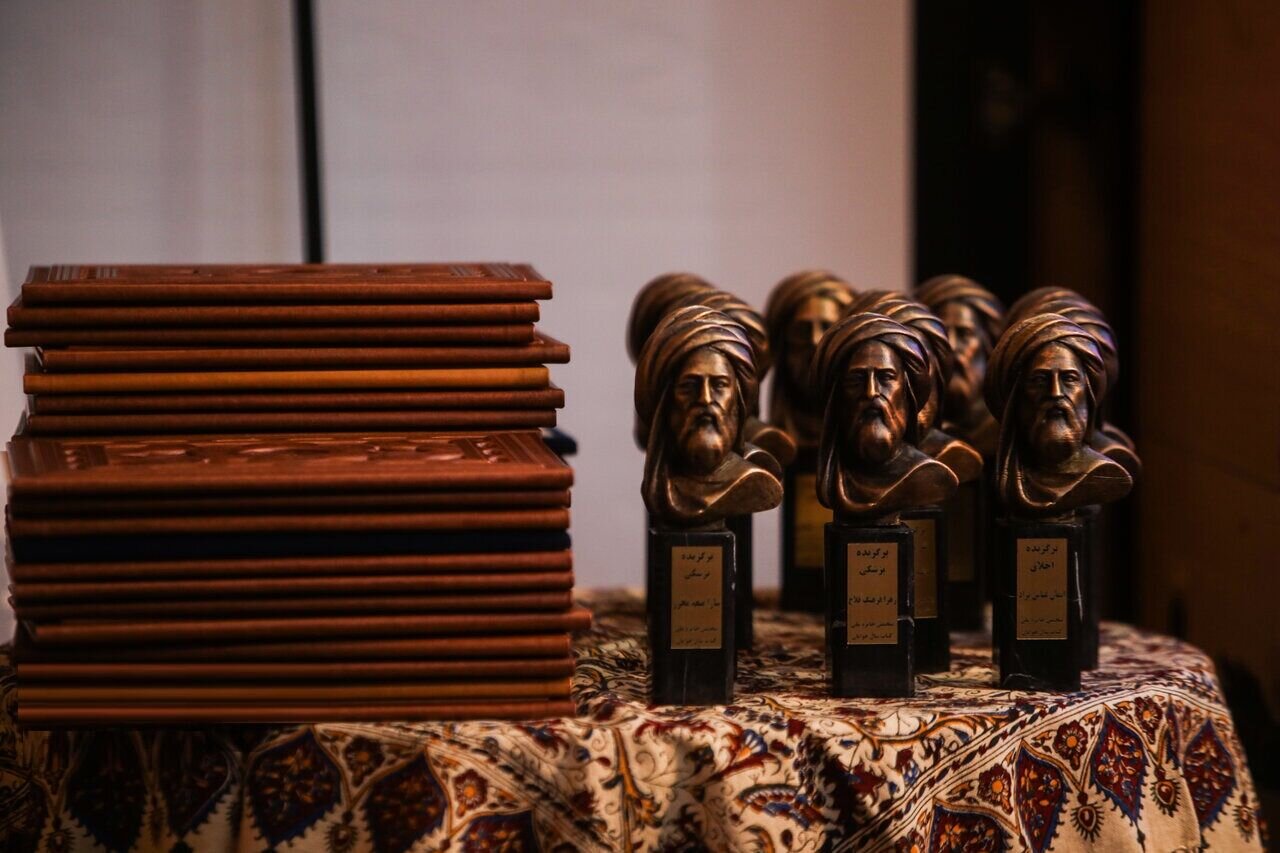
According to Armanpour; the Jury Committee has also decided in this edition, in addition to awarding the ‘Plaque and Trophy for Selected Book,’ to appreciate and thank collaborating publishers who actively engage in specialized publishing and have published numerous works in this field in the year 1403 (2024-2025).
He continued: “The Cultural Association of University Book Publishers hopes that this festival, though on a limited scale, will be an effective step towards promoting reading culture, enhancing the quality of educational and research resources, and strengthening the flow of knowledge production in the country.”
The Managing Director of the Cultural Association of University Book Publishers stated: “I would like to reiterate the issue of forming the ‘University Publishing Council,’ which we have raised with senior national managers for some time. The necessity of forming this council is greater today than ever before; a council that, with the presence of the head of publishing, the Deputy Minister for Cultural Affairs of the Ministry of Culture and Islamic Guidance, and the research deputies of the Ministry of Science, Research and Technology, and the Ministry of Health, Treatment and Medical Education, can pave the way for macro, coordinated, and targeted policymaking in the field of university publishing and support the authorship and translation of high-quality scientific works.”
Armanpour continued: “We hope that with the emphasis from the esteemed Minister of Culture and Islamic Guidance, this matter will come to fruition in the near future. With the formation of the University Publishing Council and the strengthening of reading culture, professors in the classroom will introduce books instead of relying on handouts, and students will also acquire print or electronic versions of their required books without worry.”
He said: “At this ceremony, two esteemed figures and veteran publishers who have strived for years to promote the culture of science and books in the country will also be honored; a commemoration for those who, with dedication and love for knowledge, have played a lasting role in the advancement of university publishing in Iran.”
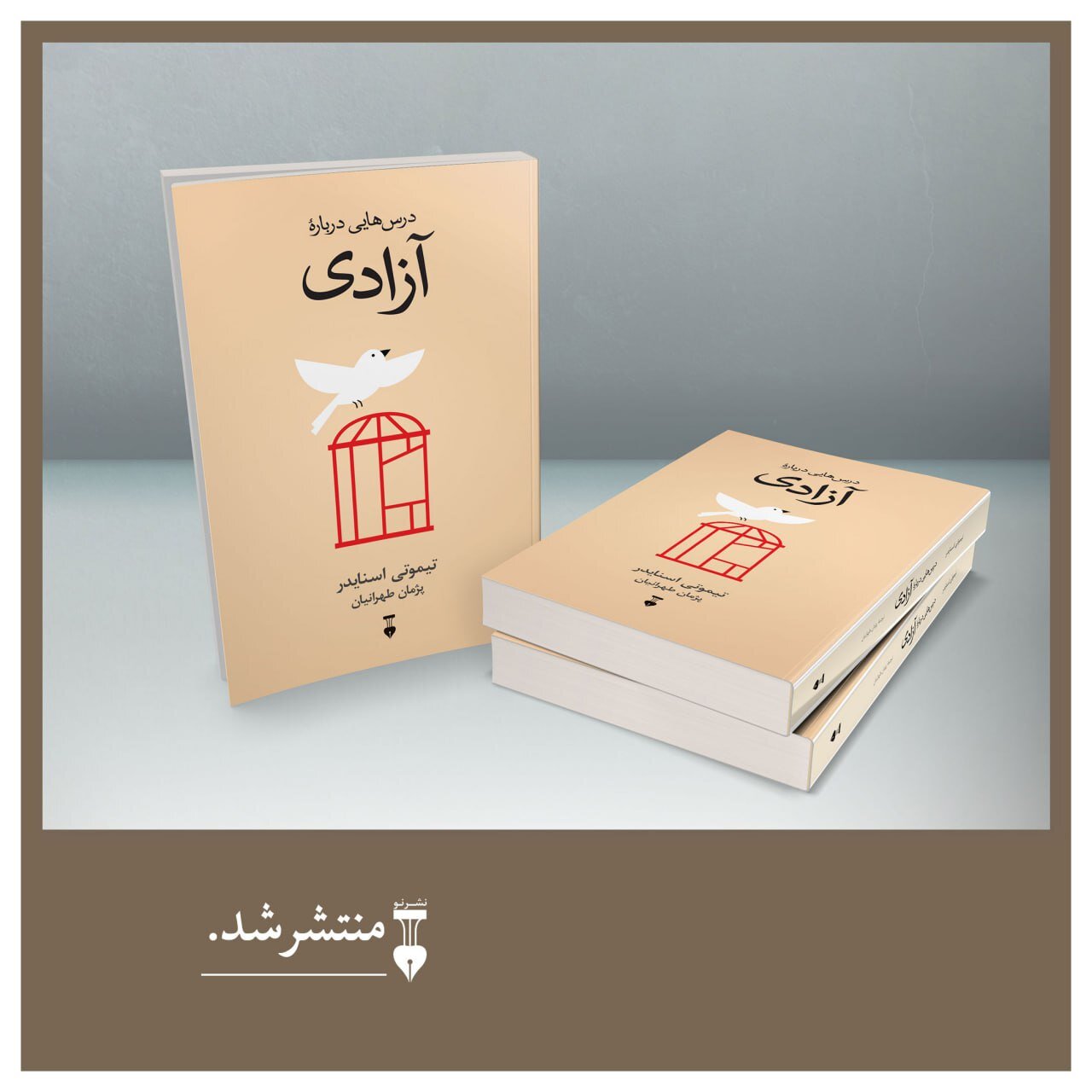
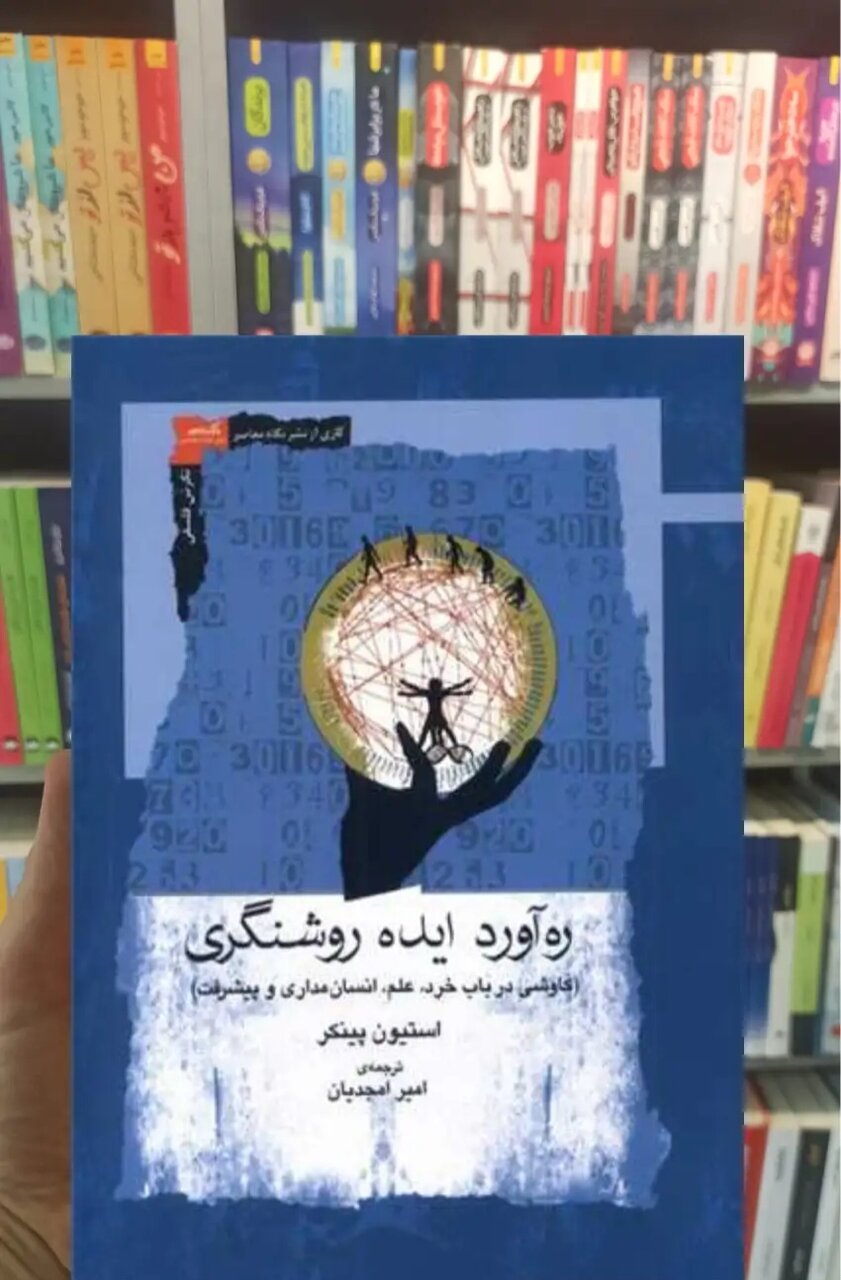
According to IBNA; the awardees of the Sixth University Selected Book Festival were honored.
Awardees: