Grandmother’s Stories Were My Flight Towards Imaginary Dreams

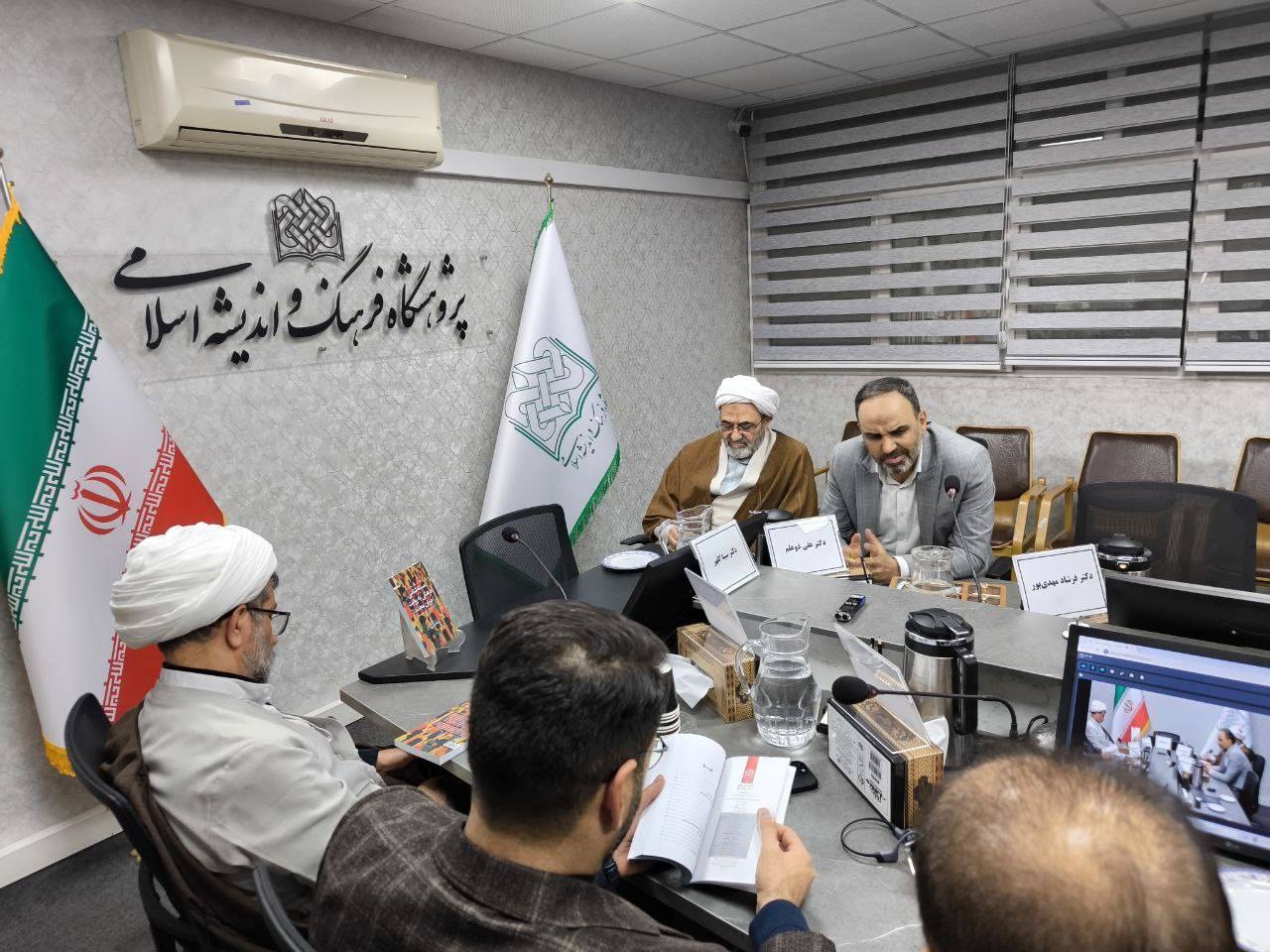
According to the reporter of the Iran Book News Agency (IBNA) in Ahvaz, Sondos Saki, speaking Wednesday evening at the unveiling and signing ceremony of her book “Is this my tail?” (Damam Ku) at Maham Bookstore in Ahvaz, stated that she spent her childhood with stories. She said: “I have 13 years of experience working at the Khuzestan Center for the Intellectual Development of Children and Young Adults. During this time, I carried out numerous self-directed literary activities, the most important of which was establishing the ‘Sky of Creativity Institute’ for children to nurture young storytellers.”
Saki explained about “Is this my tail?”: “This book is suitable for children and I tried to strengthen their power of imagination, turning them into heroes in their own lives so they can achieve all their dreams.”
She said: “Stories and tales helped me open a path to a new world. Using the experiences of those around me, like my grandmother, mother, and father, and listening to imaginary and non-imaginary stories during childhood, I was able to fly with my imaginary dreams.”
She continued: “These imaginations allow me to accompany the world of stories, and tales, more than teaching me, keep imagination alive within me, because knowledge is limited and must be acquired through experience.”
The instructor at the Center for the Intellectual Development of Children said: “During the war, I was three years old, and we, the war-affected children, were severely tested. Stories were the only refuge that soothed our souls during the crisis.”
The author of “Is this my tail?” said: “Imagination is food for the soul, and books are my only sanctuary, with which I have been intimate since childhood. I am happy that by writing this book, I could serve the children of my land.”
Regarding the creation of the character Mona in “Is this my tail?”, she stated: “The character Mona in this book represents the journey of children who must think and, through their imagination, discover where they can reach, because imagination is an essential need for a child that fosters emotional growth.”
She added: “Such stories help children manage their fear, shyness, and anger, and achieve intellectual development and logical thinking.”
Saki, referring to her love for imagination and writing, said: “My inner child is always active and asks me, ‘Why don’t I become a writer of imagination?’ So I answered that question and wrote a book for children. Children need doors that lead them into new worlds.”
She emphasized the important role of children’s literature in nurturing children’s artistic talent and added: “It is necessary to pay attention to children’s literature because stories are important for children, and a child’s interest in books can shape their personality and spirit.”
Saki stated: “Imaginary stories help children solve their problems, build their own world, and be the hero of their own lives. This statement demonstrates the importance of children’s literature in personality formation and emotional growth.”
The manager of Coffee Publisher, also at the ceremony, highlighted the importance of children’s literature, saying: “Children’s literature includes stories, tales, and poetry. In Ahvaz, this literature began with poetry books. It has flourished with collections of poems for children aged 7 to 12 by Somayyeh Mash’shaee, Seyyed Fatemeh Sajirat, Mehdi Moradi, and in the story section by Marjan Zarifi.”
Hayadar said: “Children’s literature must be seriously considered because children learn various concepts and issues through stories, poetry, plays, paintings, and tales.”
The manager of Coffee Publishing explained: “Children’s literature introduces the audience to a larger world and gives them wings to fly. It can destroy despair and say that at the end of every darkness, there is light.”
She continued: “Children’s literature, while enjoyable to read, is also a peaceful warrior. Nothing can inspire hope as much as an attractive and meaningful poem or story. Every good story points to the sun and certainly brightens the reader’s mind, and children with bright minds can certainly live better.”
She pointed out that in processing children’s and young adult literature, in addition to writing, the topic of illustration should also be given importance, saying: “The topic of illustration is very important, especially now that communication through images holds a very important place in social interactions. Therefore, a very deep look at technical issues, considering global progress and technology in the illustration of children’s and young adult literature, is required to strengthen this matter.”
Hayadar noted: “From the past until now, the topic of illustration in children’s and young adult books has played a very important role in establishing communication and believability.”
This ceremony was held in Arabic.