Shahrekord Libraries Awaiting Renovation/ Construction of Central Library; A Public Demand

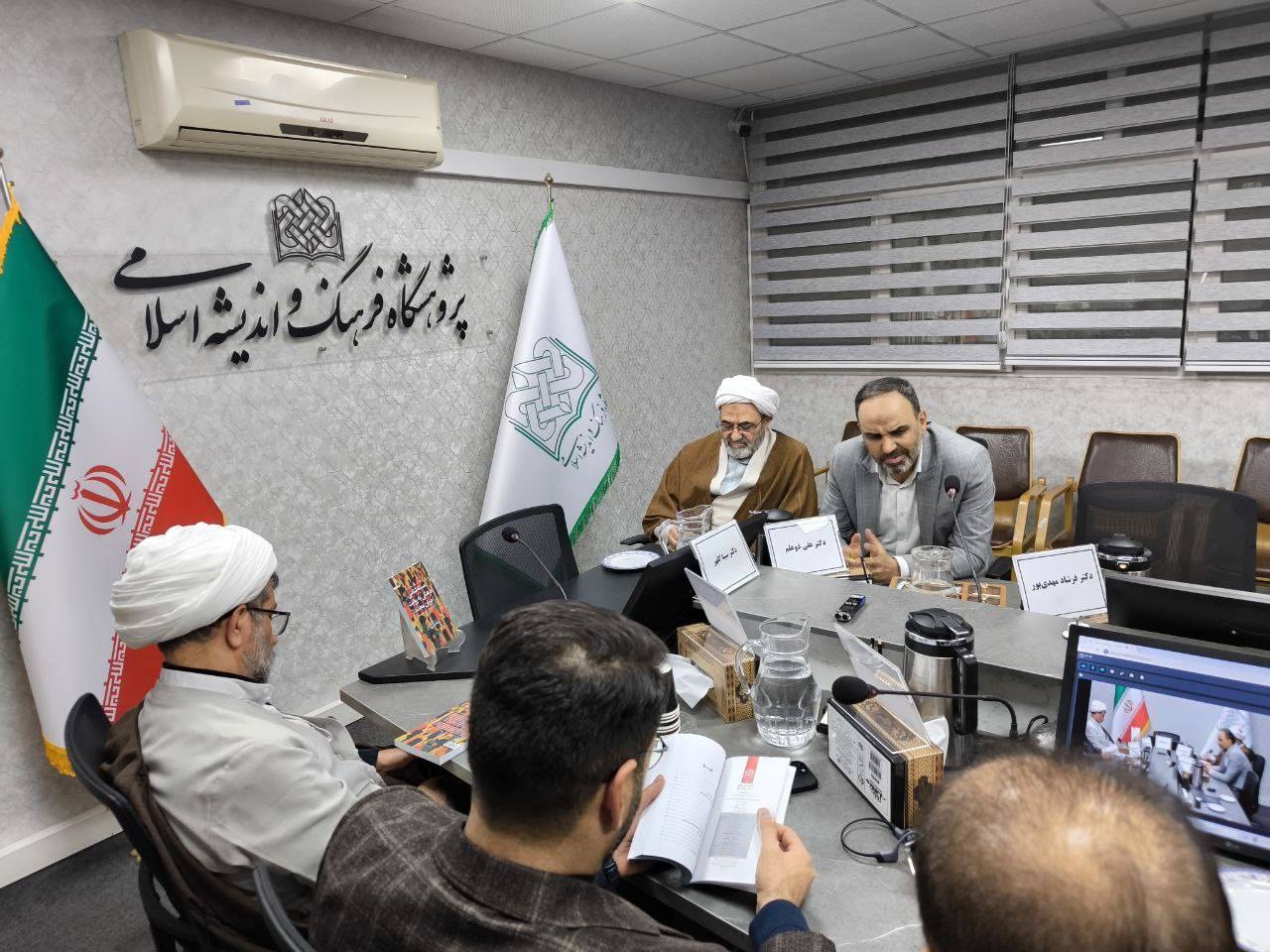
The second meeting of the Public Libraries Association of Chaharmahal and Bakhtiari province was held in the Shahid Mardani Hall of the Governorate, chaired by Abdolali Arzhang, the political, security, and social deputy governor, and attended by members.
The political, security, and social deputy governor of Chaharmahal and Bakhtiari province emphasized in this meeting, referring to the province’s distance from desirable study and library indicators: “Molavi Library, as one of Shahrekord’s priorities, must be considered, and the provincial technical council, in cooperation with consultants, must review the plans so that resources are purposefully allocated to priorities.”
Arzhang emphasized budget limitations: “The financial resources for these projects must be secured from social responsibilities and the cooperation of relevant agencies.”
He also explained about Amir Kabir Library: “The condition of this library’s building requires expert assessment, and if renovation is necessary, safety measures must be observed before the start of operations.”
Arzhang considered the construction of Shahrekord Central Library an absolute necessity and added: “The process of land transfer and securing study funds must be pursued in cooperation with the Management and Planning Organization and the Public Libraries Institution to enable project registration under Article 23.”
The deputy governor also referred to other library projects in the province and said: “The completion of the Rudaki Library for the Blind in Shahrekord within two years is possible, conditional on budget allocation; also, the land for Monzariyeh town’s library must be decided upon, and the case for establishing a library in Horeh city should be expedited.”
The acting director-general of Public Libraries of Chaharmahal and Bakhtiari also pointed out the conditions of Molavi and Amir Kabir libraries in Shahrekord during this meeting, while reviewing issues of Chaharmahal and Bakhtiari libraries, and said: “These two complexes are located in the city center and south and require immediate renovation, repair, and equipping. The retrofitting and upgrading of these libraries require the cooperation of all agencies to secure the necessary funds.”
Parvaneh Arzanesh added: “The construction of the provincial central library is a serious need for all people of the province. Also, a mobile library is necessary for villages, inaccessible areas, and city outskirts; its equipment is ready, but securing a vehicle will require budget allocation.”
The director-general of the Provincial Education Department also announced in this meeting the implementation of various book promotion programs in schools and said: “Reading bells, review sessions, formation of the Book Week committee, in-person and virtual exhibitions, cultural and artistic competitions, and honoring top reading teachers and students are among the activities carried out by this department during Book Week.”
Bahman Khodadadi added: “More than 900 educational institutions in the province have libraries, and about 250,000 volumes of books are available in these collections; however, infrastructures need development, and book resources must be updated to increase students’ interest.”
In this session, association members emphasized the necessity of retrofitting and renovating existing libraries, constructing a provincial central library, completing unfinished projects, and expanding school and village libraries. It was also decided that the provincial technical council and executive agencies, in cooperation with the General Directorate of Public Libraries and the Management and Planning Organization, would follow up on the process of reviewing plans and securing funds to upgrade the province’s library infrastructure to a desirable level.
Another resolution of this meeting was the five-year usufruct transfer of Nezami Elementary School building in Horeh city to the Public Libraries Institution, to establish a local library for the city residents using this capacity. This action aims to optimize the use of educational spaces and enhance public access to cultural resources, and it was decided that the relevant memorandum of understanding would be drafted and implemented between the Education Department and the Public Libraries Institution.