Forgotten Authorship/Original Works: A Big Challenge for Iran’s Publishing Industry

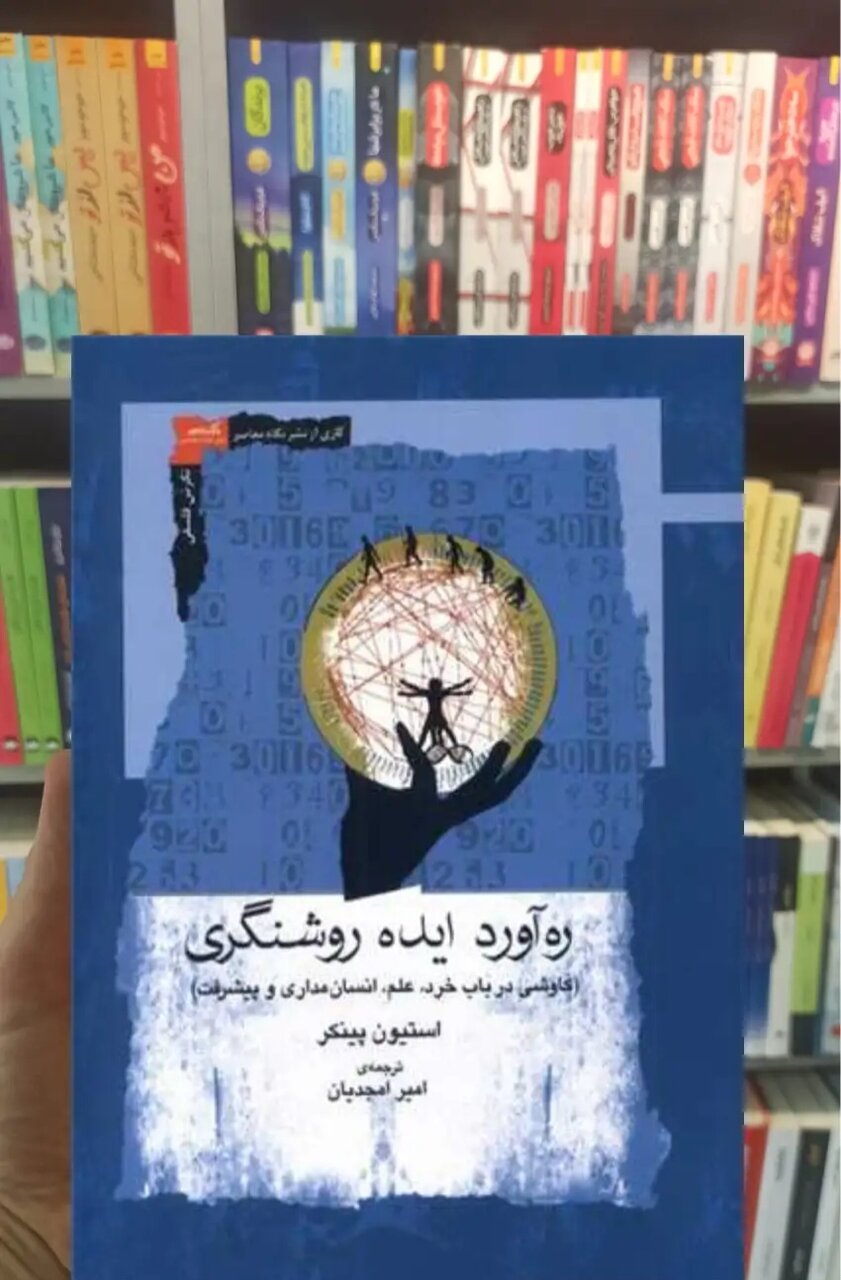
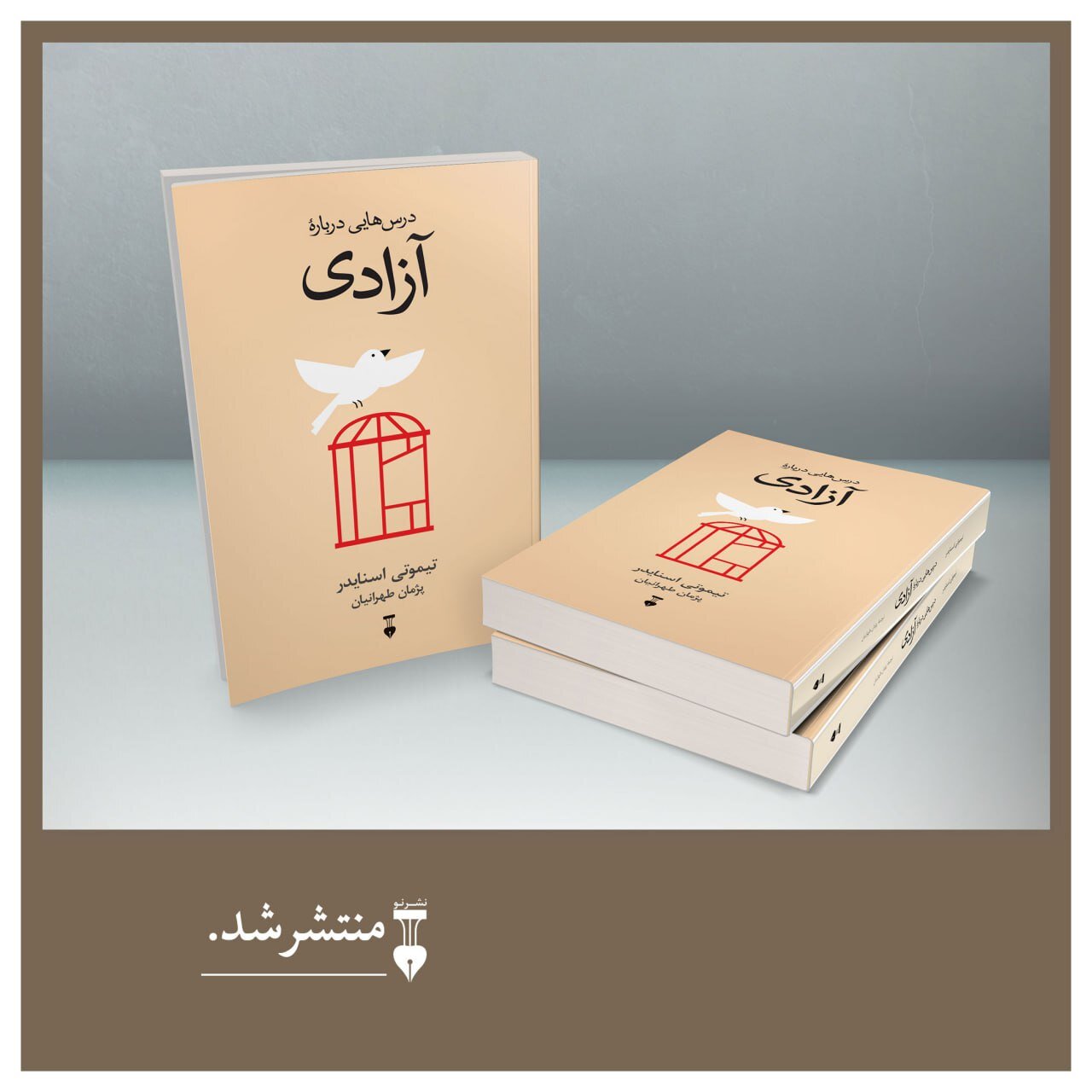
Shiva Moghanlou, a writer and translator, in an interview with a reporter from the Iran Book News Agency (IBNA), spoke about proposing three suggestions during a recent meeting with the esteemed Minister of Culture and Islamic Guidance: “In this meeting, I referred to three main points; first, the necessity of paying more attention to Iranian original literature. We know that in Iran, the sales of translated books have surpassed original works; and for various reasons, people in recent years have shown more interest and attention to translated books than to original ones. Of course, my point is not to stop translated literature (meaning the dangerous and impossible idea that some fiction writers have sometimes raised, such as ‘let’s boycott translations,’ or ‘the Ministry of Guidance should not buy or license translated books!’); rather, original works should be supported enough to stand on their own feet and reach a deserving level.”
She added: “Serious support for original literature has various ways: for example, direct support for publishers active in the field of original books, or increasing book purchases from these types of publishers (including by the Public Libraries Institution of the country), or organizing incentive programs and literary competitions – focused on Iranian stories – in schools and universities, and so on.”
Moghanlou, regarding the second main point of her discussions in the annual meeting of the Minister of Culture with writers and poets, stated: “The second issue was to move away a bit from centralism and Tehran-centrism and pay more attention to the provinces; for example, by officially launching literary/artistic residencies or accommodations for authors.”
She continued: “This method, which is common in many countries around the world, has several positive outcomes; one is that authors can use the facilities of the host city or province to hold workshops and classes for enthusiasts, young people, and especially children; and provide diverse training on storytelling and Persian language and literature.”
The author of the ‘Tāban’ novel series, referring to other outcomes of this plan, said: “Secondly, the output of such trips and stays is usually a short story or even a book; meaning the author creates a story based on their experience and perception of that environment, which also gets published. These residencies could also include foreign writers who would come and write a story about Iran, introducing Iran to the world through literature.”
According to her, for establishing such residencies, assistance can be sought not only from the government sector, ministries, or municipalities, but also from private sectors.
Moghanlou stated: “Perhaps in the past, scattered and few movements have taken place in this area, but her goal in proposing such a plan to the ‘Office of Literature and Persian Language’ is to create a principled, targeted, and diligent base.”
She spoke about the third main point of her discussions in the meeting with the Minister of Culture and Islamic Guidance: “The third point I brought up was special attention to ‘reverse translation.’ We know that a grant is a secondary and posterior matter that is awarded to a foreign publisher after a book has been translated abroad; however, my consideration is a kind of initial translation phase, or ‘pre-grant’ as it’s called. This means we should have an office or institution to translate selected books from important government awards, for example, into 20 pages, with eloquence and adherence to tone, so that we can easily provide them to foreign agents and publishers during participation in various exhibitions or fellowships. This increases trust and ease for the foreign party, so that they can then read the entire book and translate it with their local translator.”
Moghanlou added: “Of course, this task is typically the responsibility of literary agencies and agents, but according to my experience, agents in Iran – despite their goodwill and hard work – have mostly sold foreign books into the country, rather than the other way around. So, my emphasis is on utilizing all domestic capacities to increase the chance of introducing and showcasing Iranian works, at least 10 selected books annually, whether through the efforts of the publisher or agent, or the ‘Office of Literature and Persian Language.’ In any case, fiction literature remains the best and most important way to preserve and expand the Persian language.”