Promoting a culture of reading is considered a public and national responsibility
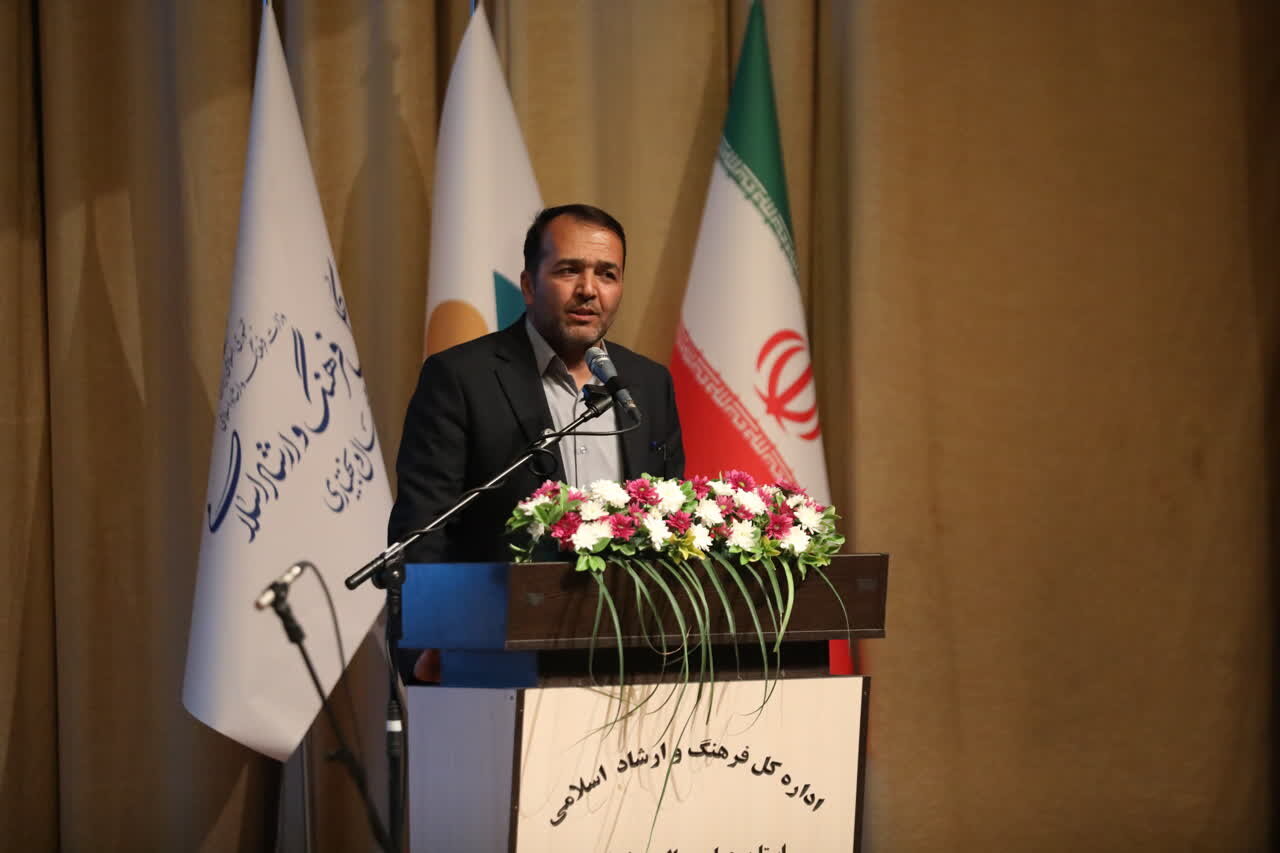
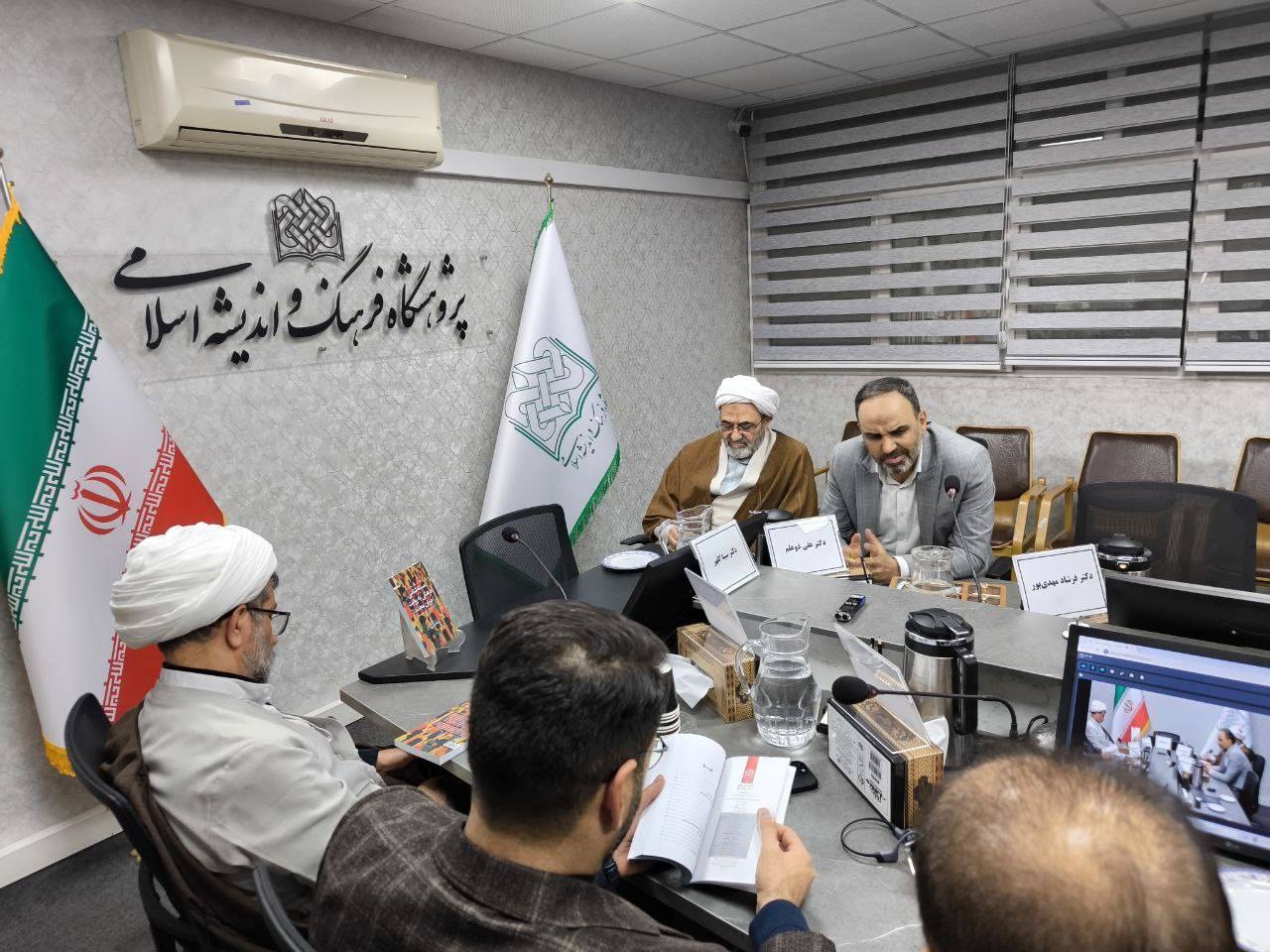
According to Khabaronline News Agency, Chaharmahal and Bakhtiari Province, Shahram Faraji, Director General of Culture and Islamic Guidance of the province, stated at the ceremony commemorating Book Week, while offering condolences on the anniversary of the martyrdom of Hazrat Fatemeh Zahra (SA) and honoring the memory of the martyrs of the city: The presence of authors, librarians, cultural activists, officials, and the educated community of the province in this ceremony signifies the importance and position of books in society.
Referring to this year’s slogan for Book Week, ‘Let’s Read Nationally,’ he added: This slogan is not just a cultural message, but a comprehensive responsibility for building an aware, innovative, and progressive society.
The Director General of Culture and Islamic Guidance of the province continued: ‘In conditions where the digital information flow has influenced human life, books remain a guiding light for thought, a source of knowledge, spiritual peace, and a strengthener of national and religious identity.’
Faraji emphasized the necessity of increasing the per capita reading rate, stating: ‘The Supreme Leader considers reading a religious obligation and has linked the country’s progress to the development of reading culture, and this perspective is the basis of our planning in the cultural sphere of the province.’
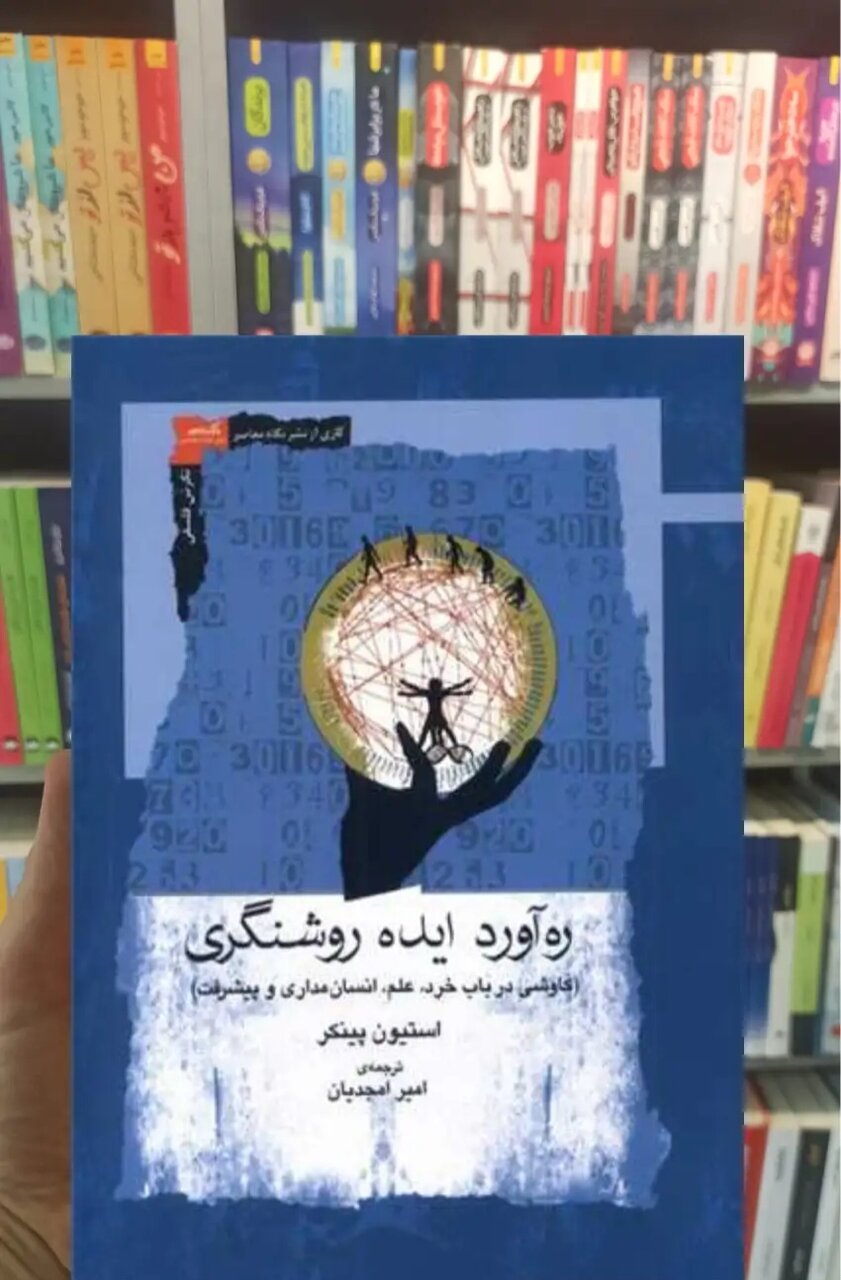
He listed the actions taken this year, saying: ‘The publication of over 150 new book titles by provincial publishers, implementation of seasonal book projects, widespread youth participation in reading programs, unveiling dozens of works in various fields including local literature, Sacred Defense, and children’s literature, donation of books to mosques and less privileged areas, and implementation of public campaigns such as ‘book pledge’ are among the most important activities undertaken.’
He offered suggestions to various community groups, adding: ‘Educators should dedicate a portion of their classes to read-alouds and book discussions, families should institutionalize a culture of reading at home, and young people should read one book every week.’
The Director General of Culture and Islamic Guidance of the province emphasized: ‘Librarians and cultural activists should invite people to libraries with creative programs, and the media should prioritize books and reading in their content.’
Faraji concluded by expressing hope that Chaharmahal and Bakhtiari would soon be among the leading provinces in the field of reading, saying: ‘A library is not just a place for keeping books, but a link between the author, publisher, librarian, and reader, and the starting point for cultural transformation.’
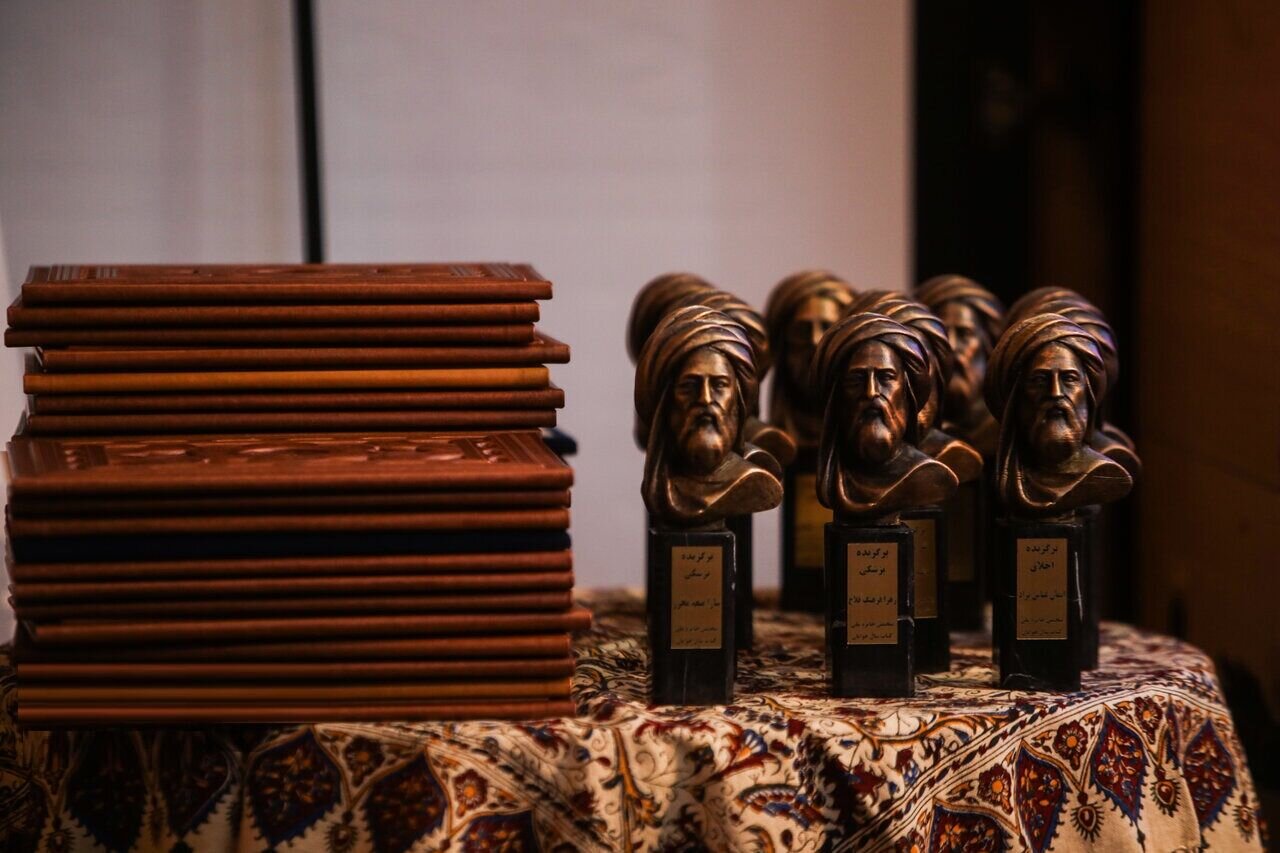
It is worth noting that, at the Book Week commemoration ceremony, the heads of public library associations of Shahrekord, Borujen, Saman, and Farsan were introduced and honored as successful managers in the field of books and reading.
Also, the mayors of Shahrekord, Sefiddasht, and Farakhshahr received letters of appreciation for their effective role in supporting the development of library infrastructure and promoting a culture of reading.
In the executive bodies section, the Chaharmahal and Bakhtiari Chamber of Commerce was introduced as an active entity in social participation for library development, and the Provincial Road and Urban Development Department was honored for its effective measures in increasing the physical per capita library space.
Ebrahim Sedighi, a library-building philanthropist, and Ebrahim Mousavi, a judge who issues alternative sentences based on reading, were also recognized as influential figures in promoting the culture of reading.