A Clear Picture of the Status of Mother Tongue in Contemporary Iranian History

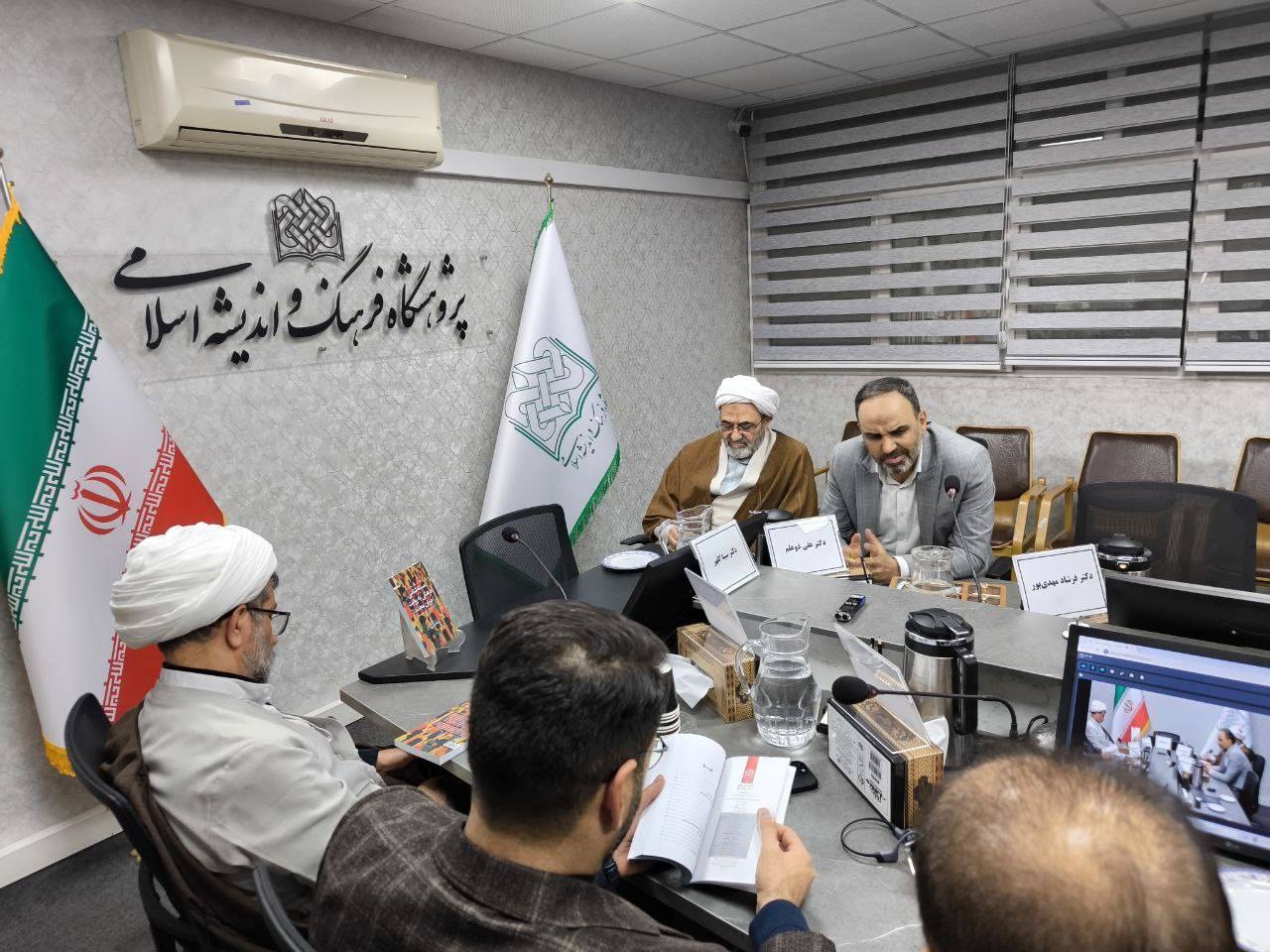
According to the Iran Book News Agency (IBNA), the second session of the specialized book research series, coinciding with the 33rd Iran Islamic Republic Book Week, was dedicated to the review of the book “Mother Tongue, Application, Attitude, Identity,” published by the Research Institute of Cultural Heritage and Tourism.
In this session, organized by the Research Institute’s Cultural Introduction Center and chaired by Parisa Shojaei, Solmaz Mellatdoost, a PhD in linguistics and a social linguistics specialist and author of the book “Mother Tongue, Application, Attitude, Identity,” introduced her work. Following this, Hamed Abdi, a faculty member of Islamic Azad University, and Hossein Alinejad, an affiliated faculty member of Islamic Azad University, who attended the session as critics, presented their viewpoints.
The session was attended by Mohammad Reza Mehrandish, advisor to the head of the Research Institute of Cultural Heritage and Tourism and supervisor of the Cultural Introduction Center, faculty members of the institute, researchers in this field, and others.
The book “Mother Tongue, Application, Attitude, Identity” is an endeavor to explore the profound relationship between language and social life. This work demonstrates how local dialects and languages, alongside the standard language, construct individual and collective identity and evoke feelings of belonging or alienation. Employing a linguistic approach and based on field data, the authors have examined the role of factors such as age, gender, education, and migration in shaping linguistic attitudes. The outcome of this research provides a clear picture of the status of mother tongue in contemporary Iran; an image that underscores the importance of preserving linguistic diversity and its inseparable link with culture and identity. This book is a valuable resource for students, researchers, and all those interested in language and society.