Language is not only a tool for communication, but also one of the main elements in story construction.

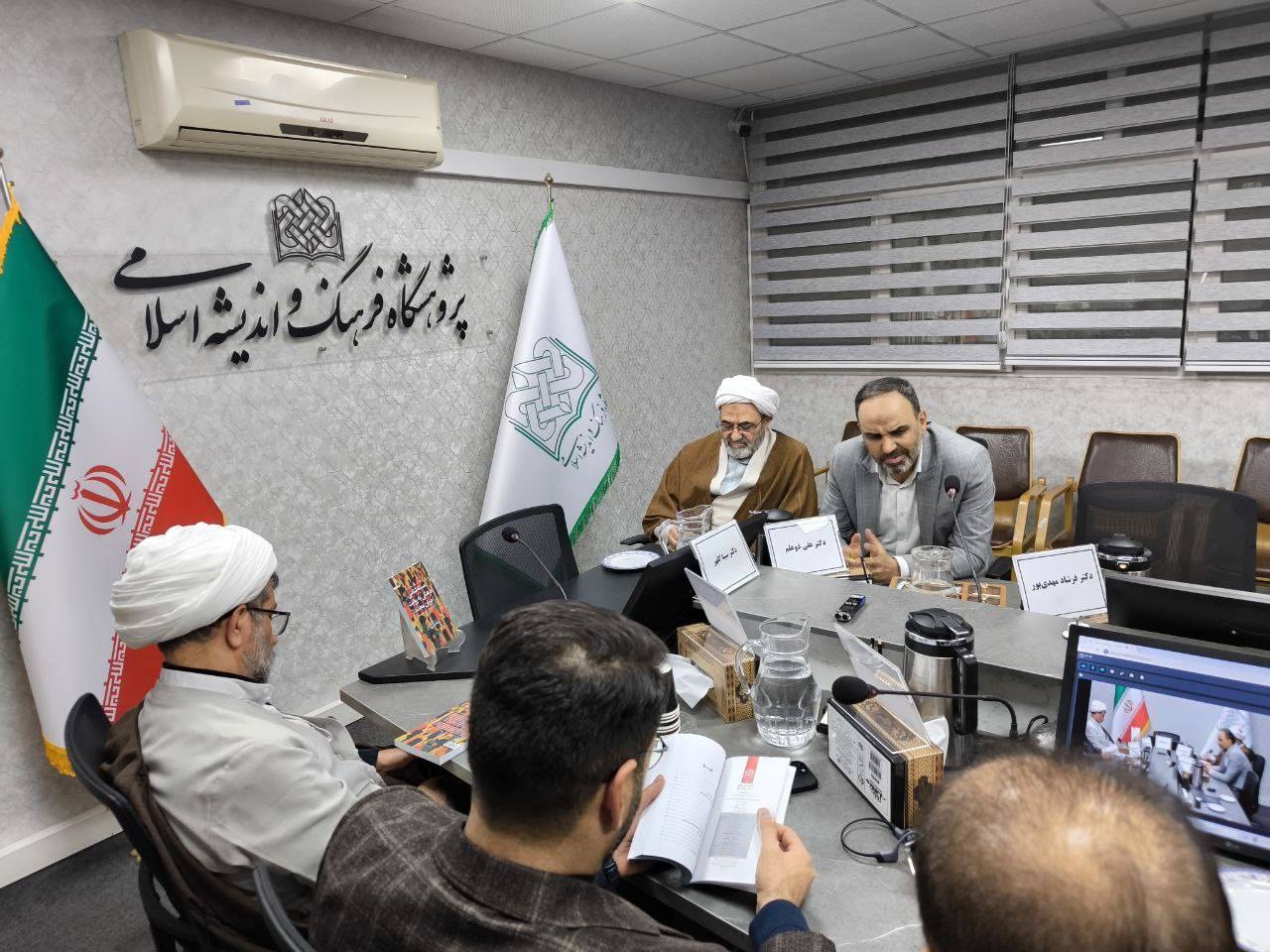
According to the correspondent of the Iran Book News Agency (IBNA) in Ahvaz, Gholamreza Rezaei stated on Sunday evening at the Shahid Rajaee Library in Ahvaz that language in storytelling is not merely a tool for conveying messages, but rather a main role. He elaborated that, in addition to its primary role, language also encompasses secondary roles, the first of which is the creation of messages and the foundation of thought, through which words are formed with the aid of thought, and linguists believe that humans think through language.
He identified inner monologue and the expression of emotions as the second role of language, explaining that writers and poets utilize language to recount inner feelings and emotional states, where language transcends the level of mere information transfer and becomes a carrier of personal experiences.
Rezaei considered the third role of language to be the creation of artistic beauty, emphasizing that in an artistic work, language is not merely a tool; rather, it transforms into an aesthetic element itself, and speech is shaped under the influence of its artistic role.
He then addressed the difference between the language of poetry and story, stating: In poetry, a word is not just a bearer of meaning, but possesses an independent existence, drawing attention from the subject to itself. Poetry is a product of the poet’s unconscious, whereas a story is built upon an argumentative and structured network and cannot take shape without a conflict and resolution.
He added: Language in a story is not merely a tool for conveying a message, but rather one of the essential constituent elements of the story, which is of significant importance.
He also spoke about the importance of a writer’s deep understanding of language, saying: Writers must be familiar with irony, metaphor, and simile. Many classical texts have utilized these capacities.
In another part of his speech, Rezaei discussed language in contemporary narrative, stating: In modern stories, despite many works being translated, the writer’s tone and inner voice still shape the work. The arrangement of words, the dialogue space, and linguistic relationships, like a precise puzzle, construct the characters and the world of the story.
Referring to the experience of authors like Ahmad Mahmoud, he said: Mahmoud has a special skill in first-person narration and effectively incorporates colloquial language, southern context, and local vocabulary into his stories.
He added: The art of a writer is to place the word correctly in its place, not to separate the reader from the flow of the story with footnotes.
Rezaei concluded by emphasizing the necessity of continuous training and practice for writers, stating: Storytelling is impossible without effort. Language is inherently an individual matter, and a writer must learn, experience, and personalize it.