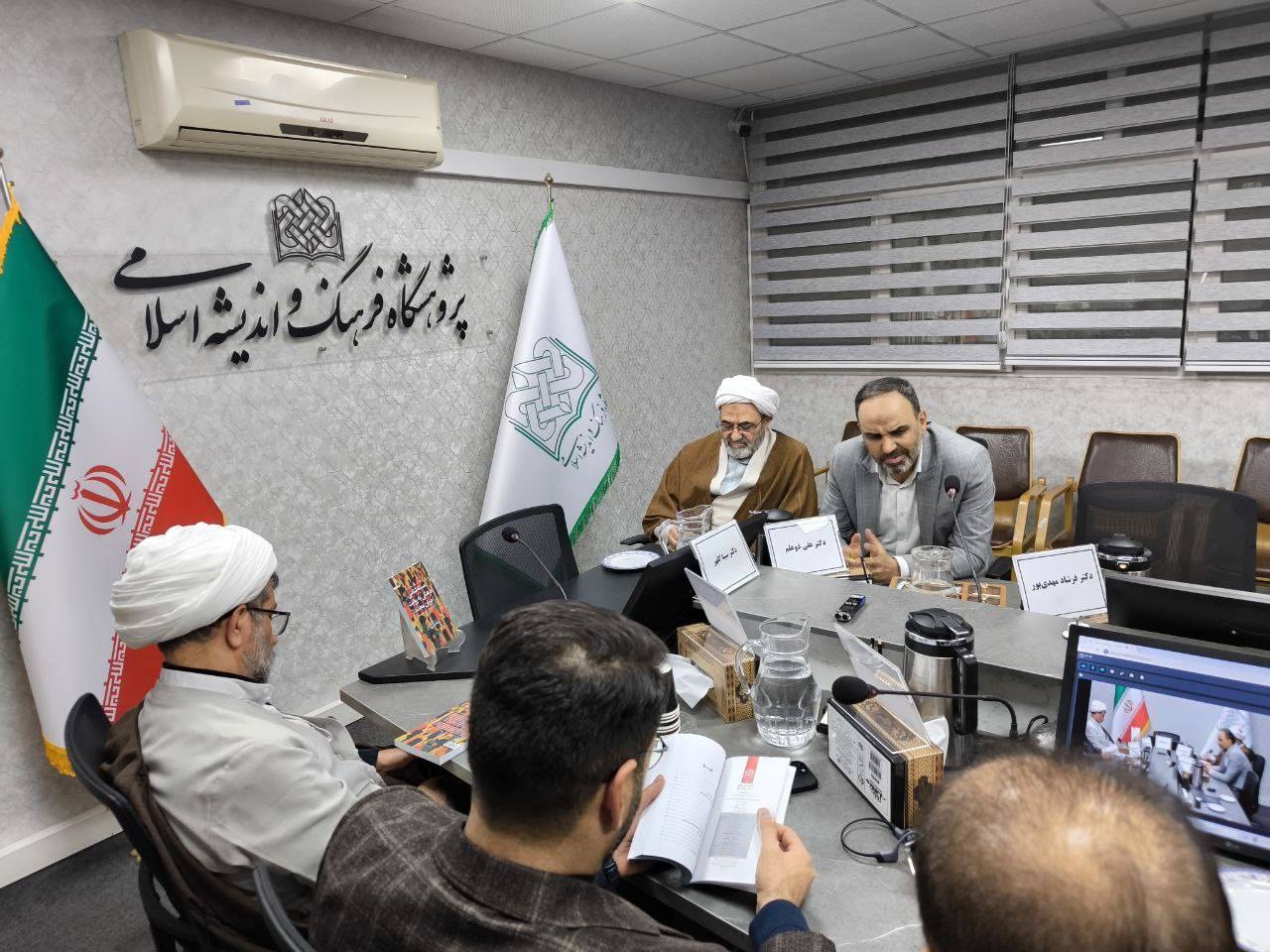
A Scientific Discussion on Ahmad Amiri’s Book ‘An Analysis of Visual Semiotics in Iranian Poetry of the 1960s and 1970s’
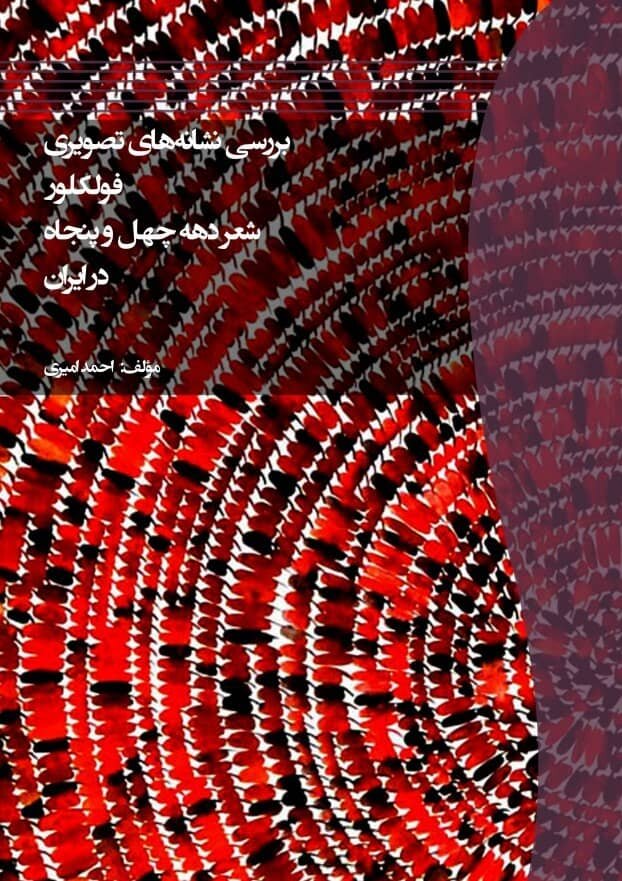
According to Khabaronline News Agency’s correspondent from Abadan; this work, as one of the important researches in the field of literary criticism and interdisciplinary studies, analyzes visual elements, folkloric signs, and symbolic components in contemporary Iranian poetry, a period in which Persian poetry relied more than ever on image and sign as carriers of meaning.
In this book, Ahmad Amiri, utilizing semiotic and aesthetic methods, demonstrates how imagery in the poetry of the 1960s and 1970s transcended linguistic ornamentations and became a language for expressing social, cultural, and philosophical experiences.
By analyzing signs such as birds, rivers, trees, and other elements drawn from collective memory, he highlights the role of folklore in shaping the tone and worldview of influential poets of that era.
Dr. Mehdi Ghadyani, in this discussion, emphasized the importance of Amiri’s fresh approach, stating: “This book has been able to offer a new perspective on the folkloric poetry of the 1960s and 1970s; an angle that analyzes imagery not merely as an aesthetic element, but as a cultural and social sign.” He added: “Amiri has shown that simple elements like birds, rivers, or trees in the poetry of that period carry deep meanings, and this very perspective transforms poetry into a cultural and social document.”
This professor of the philosophy of art also pointed out some shortcomings, adding: “Parts of the book’s discussions suffer from generalization, and the examples examined are mostly limited to specific poetic movements.”
He also stated: “I suggest that in subsequent editions of this book, the scope of research be expanded to include folklore from different regions of Iran to provide a more comprehensive picture of visual semiotics.”
This professor of the philosophy of art also emphasized the necessity of a deeper connection between the analysis of signs and the principles of the philosophy of art, stating: “If the book’s structure is strengthened with philosophical principles, it can become a serious reference in literary-visual studies.”
He further suggested adding an index of signs such as birds, water, trees, homes, and journeys, along with an explanation of their semantic transformations across the decades, to the book, so that the research gains more temporal depth and opens the path for comparative criticism.
In summary, Dr. Mehdi Ghadyani considers Ahmad Amiri’s book an valuable effort in re-reading the folklore of 1960s and 1970s poetry, a work that, despite some shortcomings, has managed to establish a significant link between semiotics and folkloric studies and can be a reliable source for researchers, students, and enthusiasts of contemporary Iranian poetry.