Kurdistan Libraries Seriously Need Renovation / Honoring Librarians in Book Week

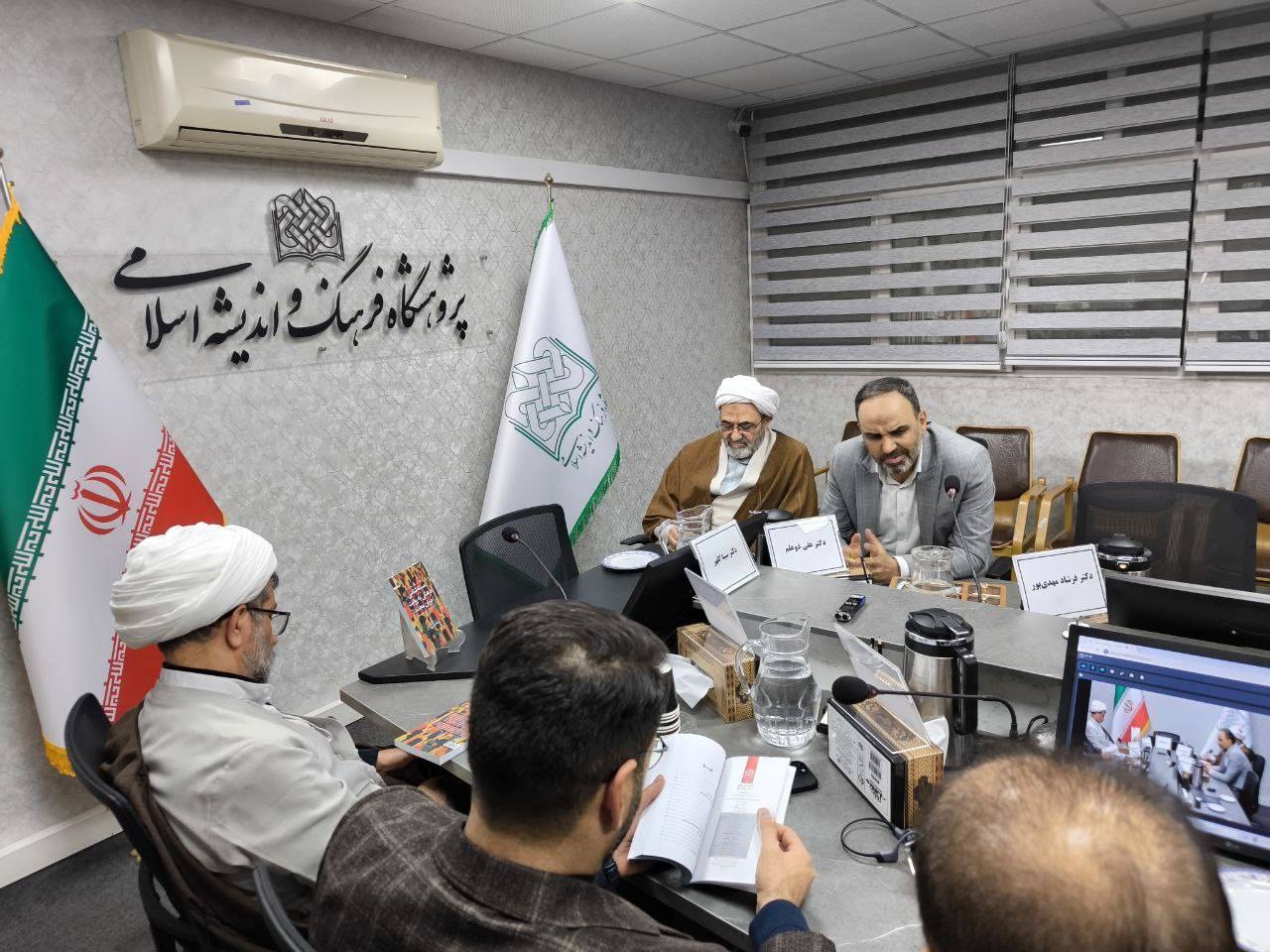
According to the reporter of the Iran Book News Agency (IBNA) in Sanandaj, Masoumeh Hassani Khansar, on Wednesday afternoon in a press conference, stated: November 15th, coinciding with the anniversary of the commemoration of Allameh Seyyed Mohammad Hossein Tabatabaei, the prominent interpreter of the Holy Quran and author of Tafsir al-Mizan, is considered as “Book, Reading, and Librarian Day”, a valuable opportunity to redefine the role of books in the social and cultural life of society.
She announced the official start of Book Week programs in the province’s public libraries and added: During this week, initiatives such as the book donation campaign with the slogan “I am heard by reading”, the forgiveness of overdue fines for borrowed books, and the implementation of a nationwide membership scheme in public libraries across the country will be carried out simultaneously in Kurdistan province.
According to the Director-General of Public Libraries of Kurdistan, the nationwide membership scheme allows members to lifelong benefit from the services, study halls, and resources of public libraries anywhere in the country.
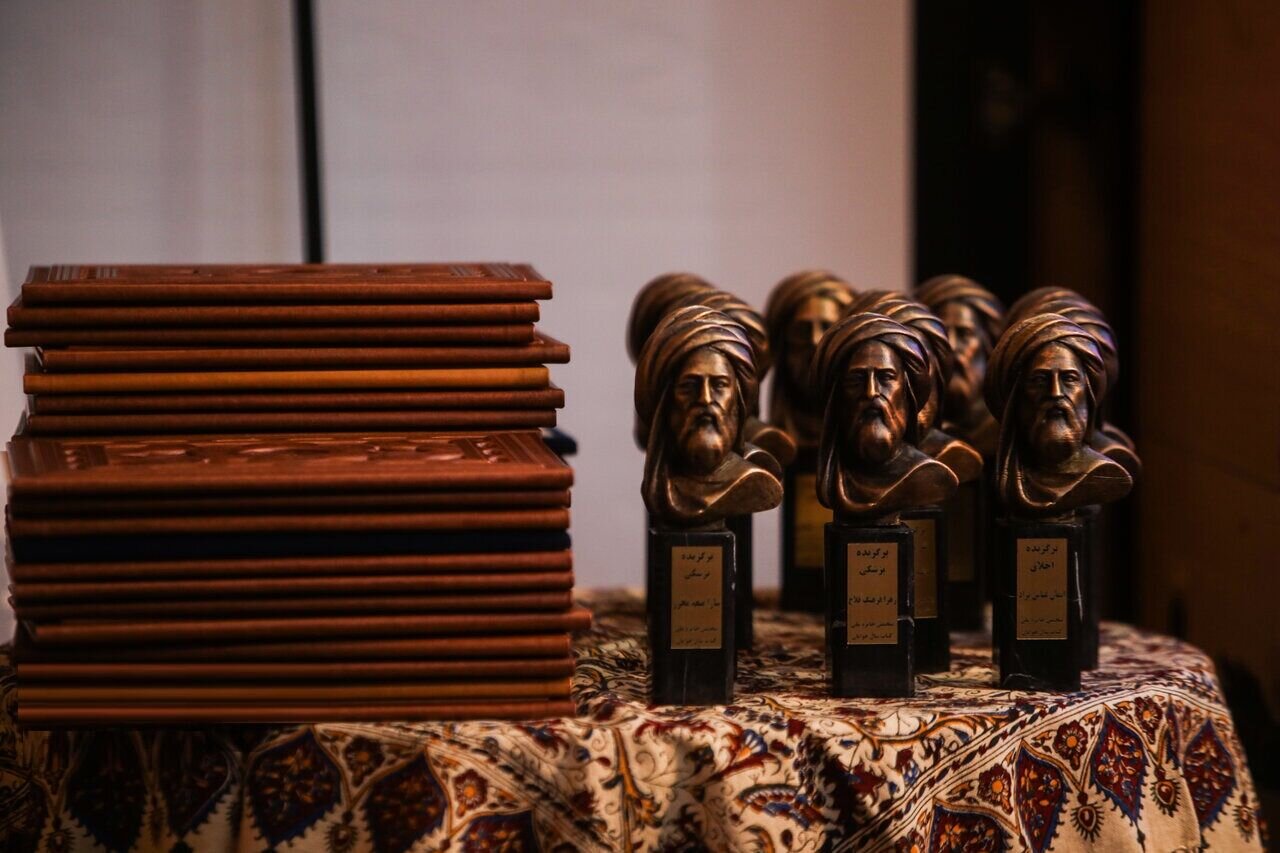
Khansar also announced the holding of a ceremony to honor the province’s top librarians and libraries on November 19th and stated: In this ceremony, prominent activists in the field of promoting reading culture will be honored with the “Hamkhwan Award”.
Referring to the variety of Book Week programs, she said: During this period, a series of cultural activities, including book unveiling, book exhibitions in the cities of Sanandaj, Saqqez, and Qorveh, book reading sessions, workshops, review sessions for works, literary and Quranic sessions, and special programs for children and teenagers will be held.
The Director-General of Public Libraries of Kurdistan Province, explaining the infrastructural status of libraries, stated: Currently, 81 public libraries are active in the province, of which 56 are under the umbrella of the National Public Libraries Institution and 25 are participatory libraries; 39 libraries operate in urban areas and 17 in rural areas.
She added: In Kurdistan’s public libraries, over one million volumes of books are available to the public, and about 50,000 active members benefit from the services of these centers. The collection of public libraries in the province has an infrastructure of over 26,000 square meters and is managed by 152 personnel in the central and county centers.
Khansar continued: Over the past year, more than 9,800 cultural and educational activities have been held in Kurdistan’s public libraries; programs such as book introductions and reviews, reading sessions, thematic exhibitions, and book reading competitions, which have played an effective role in expanding reading culture and improving cultural literacy in society.
She referred to the role of public participation in library development, saying: Last year, about 34,000 volumes of books were donated to the province’s libraries by benevolent people, and with the support of the Ghalamchi Foundation, 280 titles in 9,000 volumes were added to the resources.
The Director-General of Public Libraries of Kurdistan Province announced the implementation of special cultural projects in the form of campaigns such as “Ummah Ahmad”, “National Village and Nomadic Day”, and “We Stand for Iran”, and reminded: Kurdistan has ranked first in the country for the third consecutive year in implementing these programs.
She considered the launch of free counseling centers in four cities as another significant action of the current year and said: These centers operate in cooperation with the Imam Khomeini Relief Committee (RA), and library members can benefit from free educational and general counseling services.
Hassani Khansar, referring to the public libraries’ support for local writers, said: Last year, approximately 500 million Toman were allocated for purchasing books by local writers of the province.
She also announced the attraction of 19 billion Toman in credit from the Provincial Management and Planning Organization, which has been spent on the repair, equipment, and development of libraries, and 18 libraries have also been repaired and equipped from the institutional capital asset acquisition credits.
Hassani Khansar, referring to the construction status of libraries, said: Despite attracting these credits, obsolescence remains one of our main challenges; many libraries in Kurdistan are more than 20 years old and require serious reconstruction and renovation.
Finally, she announced the follow-up for establishing libraries in cities that lack public libraries and reminded: Currently, 10 cities in Kurdistan province are deprived of this cultural facility, and the construction of libraries in these areas is considered a serious priority for the Directorate General.