Upbringing, the Main Factor in the Nurturing of Martyr Hossein Dukhanchi

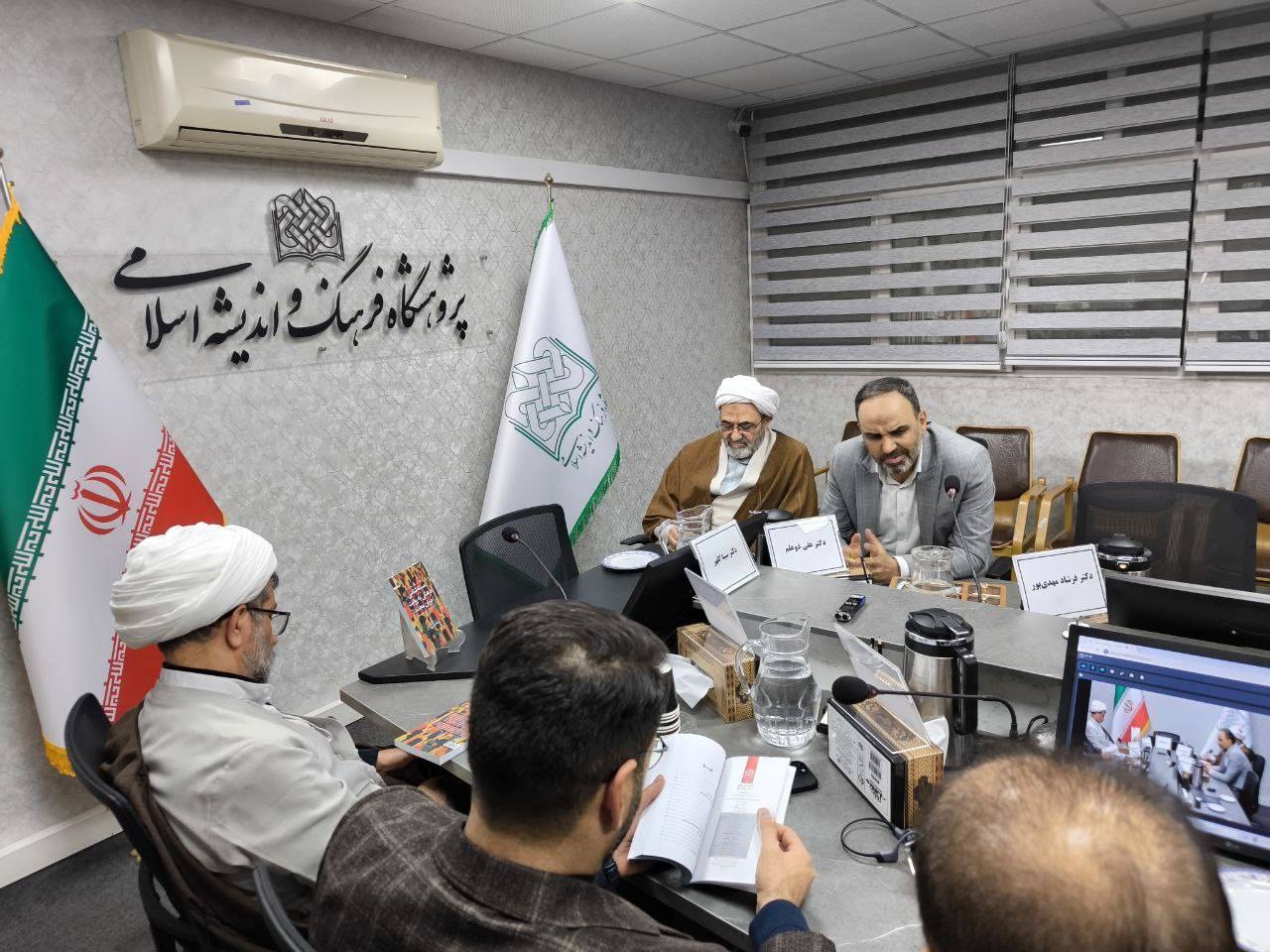
According to the correspondent of Iran Book News Agency (IBNA), an introductory and review session for the book ‘The Unfinished Fever, Narrative of the Life of Shahla Manzavi, Mother of Veteran Martyr Hossein Dukhanchi,’ was held on Monday, November 10, at the Central Library of Shahr Park.
The program was attended by Zahra Hosseini Mehrabadi, the author of the work; the family of Martyr Hossein Dukhanchi; and Alireza Zand Vakili, the head of the General Department of Public Libraries of Tehran Province.
Alireza Zand Vakili, head of the General Department of Public Libraries of Tehran Province, said: ‘Undoubtedly, defining and commemorating the position of a martyr brings us joy, pride, and success; because during the Islamic Republic of Iran’s Book Week, which is considered one of the country’s deepest and most valuable cultural events, we are guests of the memory and name of a martyr. If we can understand and internalize the true meaning of this week and utilize it on the path of humanity and societal development, we will have taken a significant step in our cultural and spiritual growth.’
He continued: ‘The life, conduct, and behavior of martyrs are themselves instructive narratives; we must strive to implement these behaviors and methods in our own lives. How wonderful it is that such a blessed session is held at the beginning of this sacred and valuable week.’
Mehdi Safaei, an expert on the book ‘The Unfinished Fever,’ said: ‘Why is this book important? What is the value of narratives about this martyr, martyrs, and their spouses and mothers? I will state two points. First point: There are many narratives about martyrs. I am a teacher, and today in class, I told my students that I was going to speak somewhere about a martyr. One of the children asked me: ‘Sir, how is such a person raised?”
He continued: ‘We have an important factor called ‘upbringing.’ Who raised Hossein Dukhanchi to become Martyr Hossein Dukhanchi? If this noble martyr is important to us, it is essential to know how he lived and how he was martyred, and more importantly, who raised him, who brought him up, what they told him during childhood, and how they nurtured him?’
Referring to the leader’s speech, this expert said: ‘Second point; regarding the importance of writing this book, the Leader of Iran, Ayatollah Khamenei, made a statement in 2018: ‘God willing, through this, we will be able to disrupt the comprehensive plan of global arrogance.’ The Leader says ‘through this,’ meaning through this very path, not through another path, we should do this work. When I heard this statement from the Leader, I wondered through what means we could disrupt this plan? When I read this book, I realized that this work is an embodiment of that very path which shatters the plan of global arrogance.’
Safaei spoke about the readers’ opinions of this book after reading it: ‘I gave this book to several different groups. I told my students: ‘If you want to get a good grade, read this book.’ One of the students who was familiar with these issues – someone who was involved with topics related to martyrs and associated rituals, and was active in Hosseiniyahs, mosques, and religious gatherings – said after reading it: ‘Sir, reading this book makes me feel useless and idle.’ This was said by someone with religious beliefs who participates in religious activities; but he added that he feels his life has been wasted.’
He continued: ‘Another student, who was not very familiar with this atmosphere and had no particular interest, said: ‘I can’t believe it; how is it possible for someone, after all that effort, to marry a veteran for the sake of sacrificing for God? Why would they make such a choice?’ He was surprised why mothers of martyrs would send their children to the front. He said: ‘If I come home late from school one day, my mother gets worried; how could a mother herself send her child to the front?”
This report will be completed.