“A Gift Called Cancer”; A Reflection of a New Perspective on the Literature of Suffering in Iranian Publishing

According to the correspondent of the Iran Book News Agency (IBNA) in Isfahan, Ashraf Rajaee, during the cultural meeting ‘From Book to Life’ at Bahar Book City in Isfahan, referred to her experience of living with illness, meaning, suffering, hope, and the role of words in reconstructing the human spirit, stating: ‘Writing this book was the result of a very difficult personal experience. During a period of my life when I faced cancer, everything took on a different color for me. Initially, I thought my life was over and there was no hope, but gradually, through treatment and self-reflection, I realized that this very suffering was guiding my inner self towards a new light. It was this change in perspective that prompted me to articulate my experience and write it in the form of a book, perhaps as a balm for others.’
She stated: ‘At the beginning of the journey, my mind was full of fear and anxiety, but gradually I understood that illness can also be a kind of teacher; a teacher who takes a person from the superficiality of daily life to the depths of meaning and contemplation.’
According to the author, the word ‘gift’ in the book’s title reflects this new perspective. Cancer outwardly appears as a terrifying word, but when you are in the heart of the experience, you realize that suffering, if accompanied by awareness and acceptance, can be awakening and salvific.
Rajaee said in another part of her speech: ‘In the first days of diagnosis, my mind was full of questions. Why me? Why now? But when I was able to distance myself a little from these questions and sit in silence with myself, I understood that perhaps life was seeking an opportunity for a new conversation with me. From that moment, my inner path changed, and I began to write. Writing for me was a form of therapy, a kind of meditation and dialogue with myself.’
She continued: ‘The book ‘A Gift Called Cancer’ is not just about illness, but about a person’s confrontation with their true self. It’s about how, in circumstances where everything falls apart, one can still cling to meaning and hope. On this path, I learned that even darkness carries a hidden light, and if you have the courage to see, beauty can be found even in the heart of suffering.’
Referring to the experience of the book’s readers, the author stated: ‘Many who have read the book have told me that this work has helped them change their outlook on life, even if they are not ill. For me, these feedbacks are the most valuable part of the work, because my goal from the beginning was to convey hope and meaning, not merely to narrate a medical experience.’
She said: ‘From my perspective, suffering is a universal language. All humans face some kind of suffering at various points in their lives, but the difference lies in how they confront it. If we can find meaning in suffering, that suffering no longer destroys us but transforms us.’
Resilience, Compassion, and the Power of Words in the Healing Process
Rajaee referred to the role of words and writing in the healing process, stating: ‘During my illness, writing was not just a literary pursuit for me, but a tool for survival. When I couldn’t talk to others, my notebook and pen became my refuge. Every word I wrote, a part of the fear and pain would leave me, and peace would take its place.’
She said: ‘Understanding this might be difficult for many patients or their loved ones, but words have a power that can heal wounds. When a person writes down their experience, they essentially bring it from the level of silence and despair to the level of awareness, and this transformation is the beginning of liberation.’
She added: ‘Resilience is not something achieved in a day. Throughout my treatment journey, I broke down many times, cried many times, and repeatedly asked myself if it was worth continuing. But each time I rose, a new strength was born within me. Now, when I look back, I see that those breakdowns were part of my rebuilding process.’
Rajaee continued: ‘During my illness, one of the most difficult moments was confronting the pitying gaze of those around me. Many people don’t know how to interact with a patient. Sometimes they react with silence, sometimes with fear, and sometimes with excessive sympathy. But what a patient needs is neither pity nor escape, but conscious and compassionate presence.’
She clarified: ‘Writing the book was an opportunity for her to narrate this human experience and build a bridge between personal suffering and collective empathy.’
The author of ‘A Gift Called Cancer’ said: ‘On the path of writing this work, I confronted myself many times. Each time I wrote a sentence, I felt a part of my being illuminating. This book was like a journey for me from fear to courage, from denial to acceptance, and from despair to faith.’
Referring to the role of hope in life, she stated: ‘Hope is not something that comes from outside. Hope is within us and sometimes blossoms in the darkest moments. During my treatment, every day I repeated to myself that this situation is not the end, but the beginning of a new understanding. This simple belief saved me.’
Rajaee also spoke about the difficulties of publishing the book: ‘I decided to write this book not with a purely literary perspective, but with an intimate and human language so that every reader could connect with it. The book’s publisher, with a correct understanding of the work’s message, helped ensure that the final text was both readable and impactful.’
She added: ‘For writing this work, I was also inspired by positive psychology sources, the philosophy of suffering in contemporary literature, and spiritual texts, but more than anything, my lived experience was my guide. In my opinion, no theory can replace real experience.’
From Suffering to Meaning; The Birth of a Book from the Heart of Darkness
Rajaee spoke about the importance of reading during personal crises, adding: ‘Reading can pull us out of the narrow circle of fear. When we read books, we realize that humans throughout history have always faced suffering and created meaning from it. This very awareness awakens the power of hope within us.’
She emphasized: ‘All of us face challenges in life, but what is decisive is how we confront those challenges. From the heart of suffering, I learned that life must be accepted with all its impermanence, and in every moment, a small light for continuation can be found.’
A Book for Living; A Summary of a Human Experience
The author continued: ‘My goal in writing this book was to promote a compassionate and humanitarian perspective on the phenomenon of illness. I wanted to show that even when the body suffers, the human spirit can grow. If we can translate suffering into the language of meaning, no experience will be in vain.’
She stated: ‘This book is an attempt to reconcile humans with suffering. We live in a society where people often flee from suffering, hide it, or label it as misfortune, but suffering is part of living, and as long as we deny it, we fail to grow. When we accept suffering, that’s when we truly understand life.’
Rajaee emphasized: ‘The book ‘A Gift Called Cancer’ is not just about a specific illness, but about living with awareness. It’s about how one can find a light of hope and peace amidst adversities.’
She said: ‘Perhaps if I could go back, I would still follow the same path, because now I know that behind every darkness, there is a light that you must find yourself.’
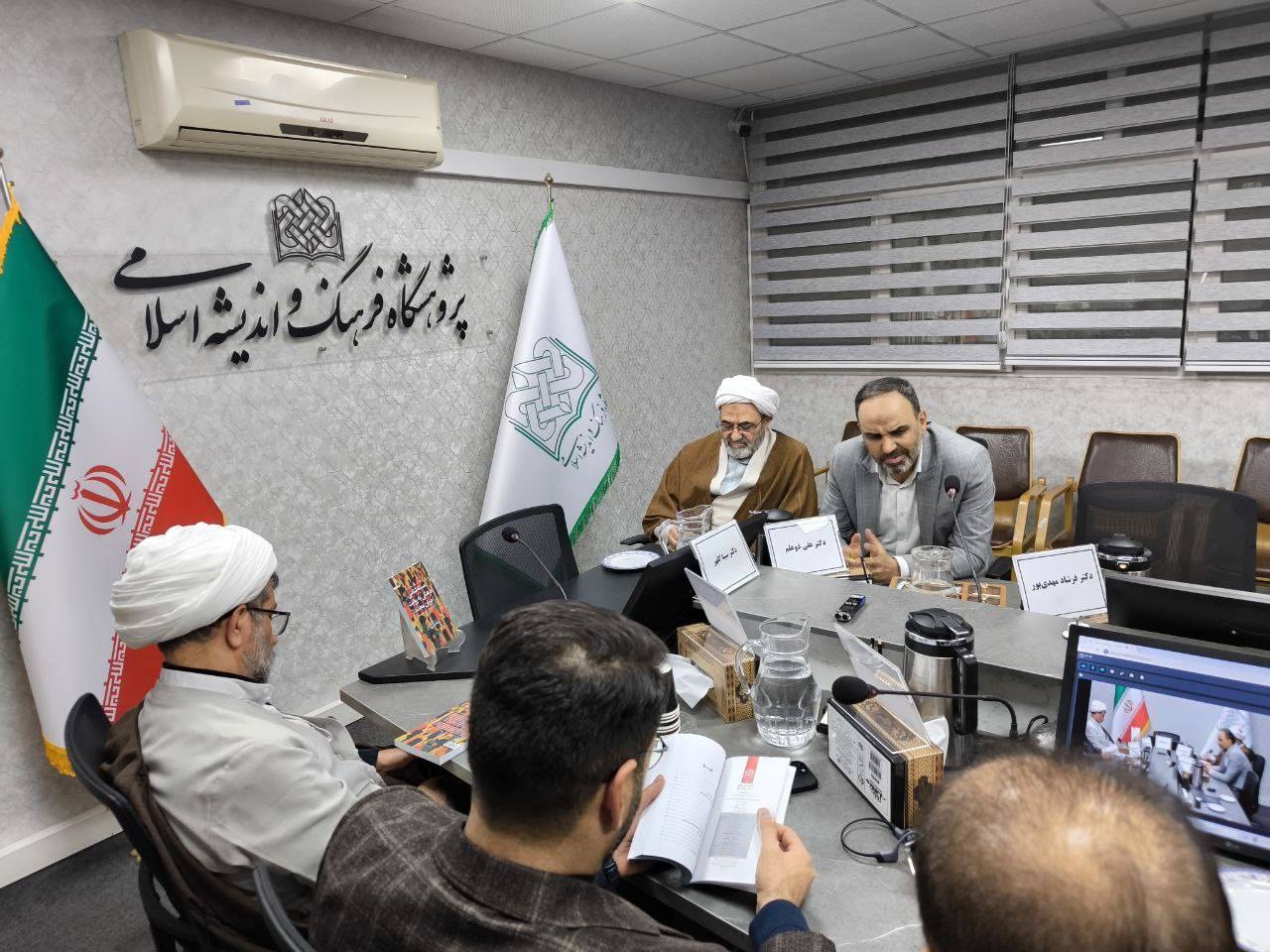
The ‘From Book to Life’ meeting concluded with a warm reception from the audience and intimate discussions about similar experiences. Many attendees at the end of the program asked the author to continue writing in this vein and share her future works.
The meeting was held with the presence of book enthusiasts, audiences in the fields of self-knowledge and psychology, writers, and students, and was dedicated to introducing and discussing a book born from a real and painful experience but ultimately transformed into an inspiring and hope-giving work.
The book ‘A Gift Called Cancer’ is a narrative of living amidst the difficulties of illness and an attempt to redefine meaning in the face of suffering.