The first book about the museum works of the Mostazafan Foundation was published
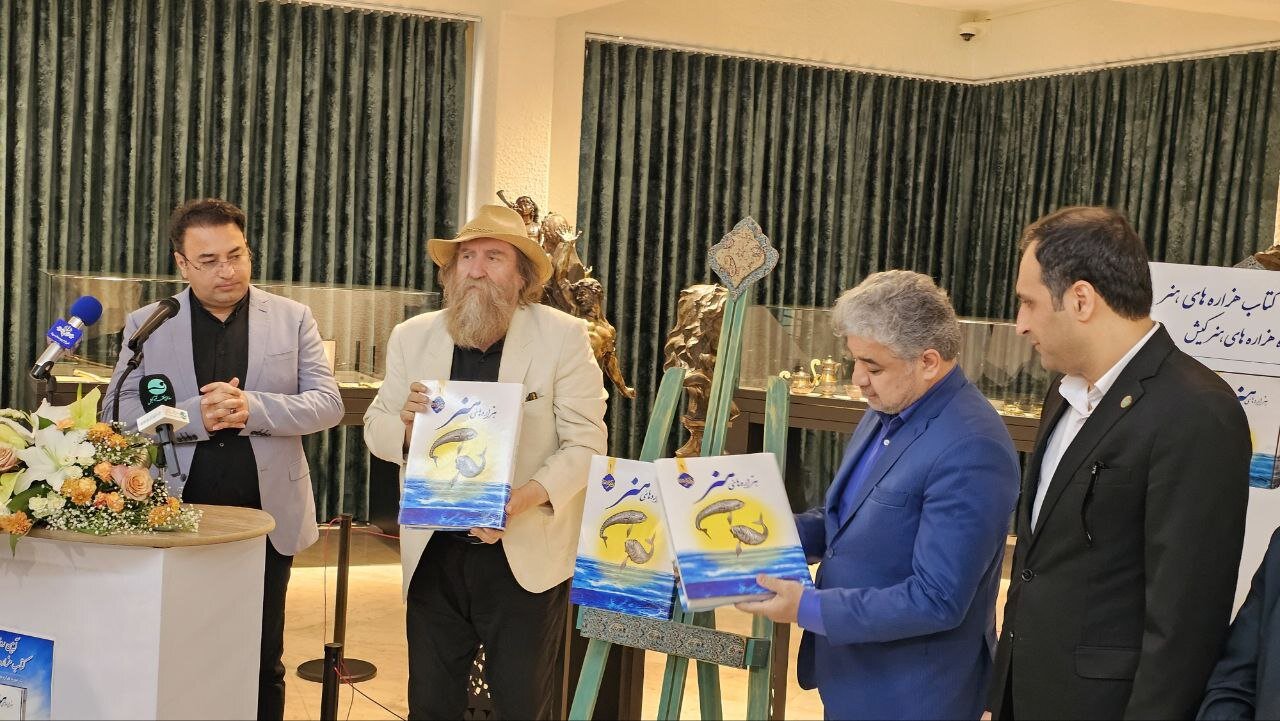
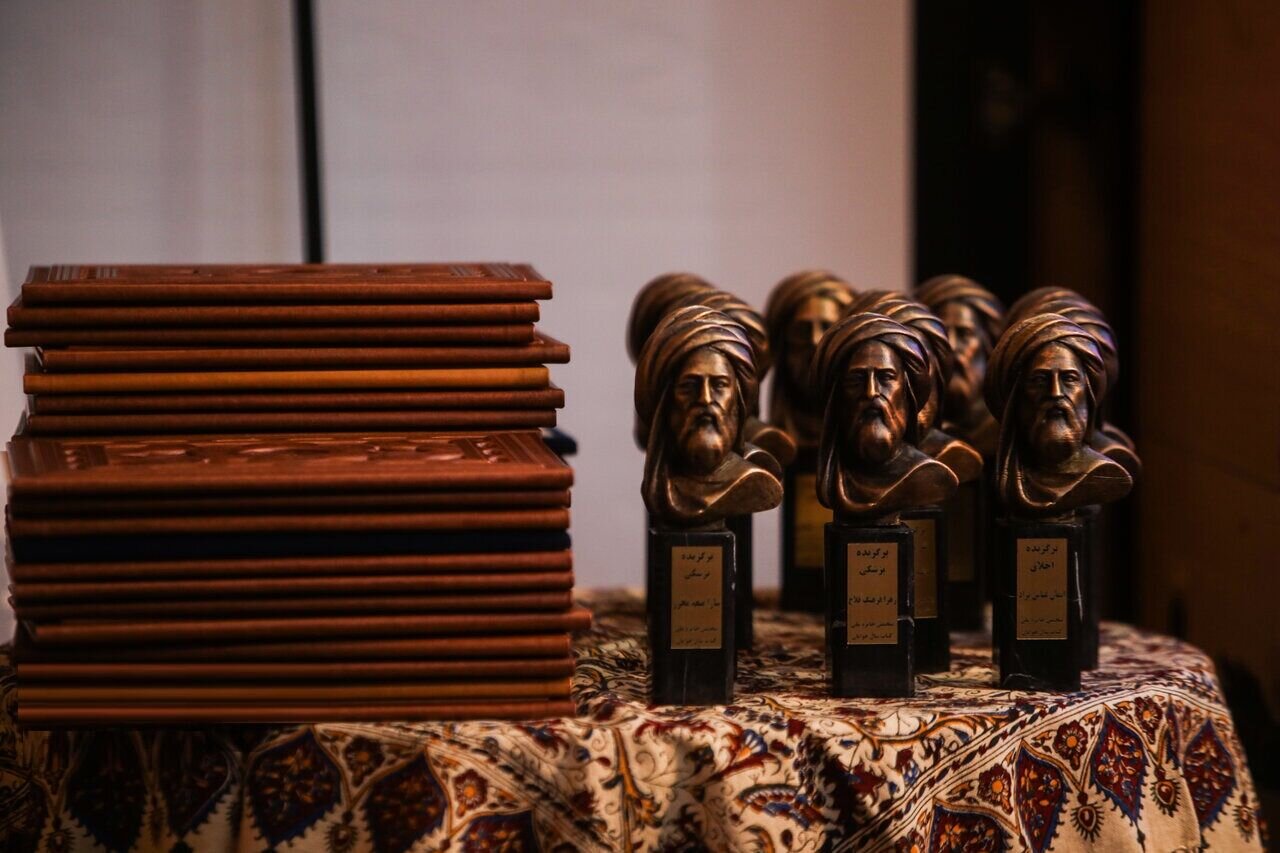
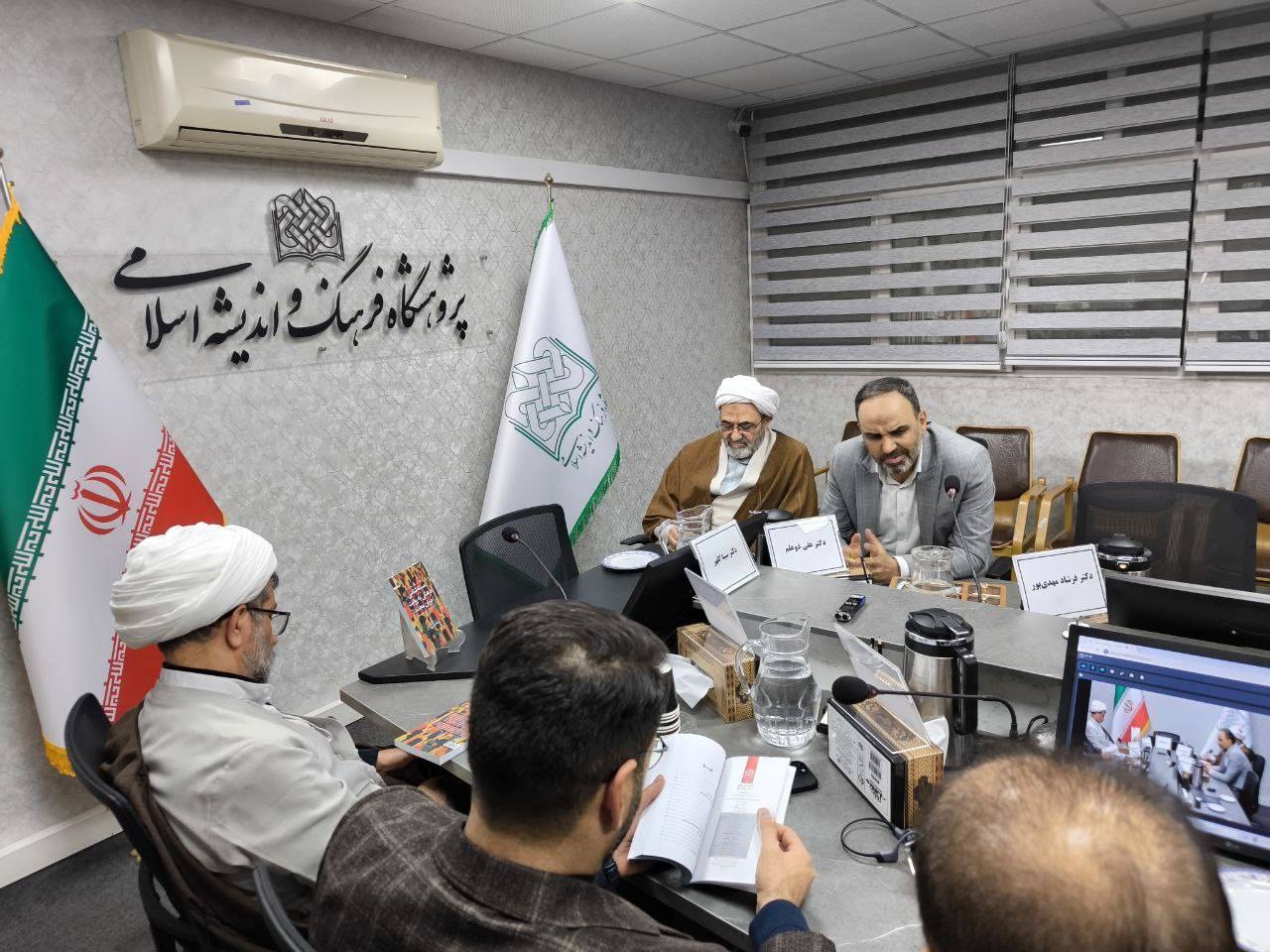
According to Mehr News Agency, quoting the public relations of Dafineh Museums, the unveiling ceremony of the book “Millennia of Art” (works of the Millennia of Art Museum of Kish) was held in this museum, one month after its inauguration, with the presence of ICOM Iran managers, Kish Free Zone Organization, and the Foundation’s Museums Institute.
During the ceremony, Hamidreza Soleimani, CEO of Dafineh Museums Institute, said: ‘In the world, museums are not cemeteries for objects but places for activity and programs. In the past year, 7 museums were added to the country’s museums, and we launched an academy for knowledge transfer with ICOM in each museum. I believe all assets in museums can help with knowledge transfer.’
He added: ‘We pioneered the first model of partnership in the country with the Kish Free Zone Organization. Now this has become a model that other cities in the country are approaching us to implement. We welcomed it. Kish can be a starting point for artistic activities.’
Mohammad Hossein Pourtaghi, CEO of Mostazafan Foundation’s recreational centers, stated in this program: ‘For the first time, museum artifacts and objects from the Foundation have been published in book form. This book can be a source for researchers. This is a good development in itself, and I hope it will be repeated. This book is also planned to be published for other museums. We need collaboration to create a positive event and movement in the country with this expertise, experience, and cooperation.’ He believes that if a work becomes a movement, it will last.
He said: ‘332 works have been prepared in the Kish Museum so that people, alongside the island’s entertainment, can also spend a few minutes seeing our embodied stories.’
Also in this program, Ahmad Mohit Tabatabai, head of ICOM Iran, said: ‘Kish and the city of Harireh are located on the Silk Road, which is why in this museum we see works from China, India, and other countries that were on this route.’
He stated: ‘Before the Persians came to this region, there was a historical culture in this area, which extended to the people of South and East Africa, South Saudi Arabia, West Mumbai, and Makran, known as the Swahili culture. We have works from these regions in this museum. Everyone should know their values and differences from other ports. Kish Island is the only place where Sindbad’s stories come true. Today, Kish Island sells fresh water, whereas it once sold fresh water to other countries.’
He continued: ‘In the culture and literary history of this country, we know “Hazar” as Hazar-Dastan (the nightingale), a symbol where the bird and flower are considered paradise in art history. This bird, the nightingale, Hazar-Dastan, reminds us of the artistic and ancient part of our land. We are in a place with diverse tastes; it is better to benefit from what is our own. For example, if we go to Kish, we should see what belongs to the island itself, not somewhere else. This is something we have forgotten in development. This building, with its architecture and valuable collection, has become one of the society’s assets.’
Ali Hasanloo, Deputy for Tourism of Kish Free Zone, also expressed readiness to establish such museums on the island. He said: ‘The Foundation established a museum with such standards on the island. This event can be more sustainable and targeted, transforming this museum into a specialized museum center.’
The book “Works of the Millennia of Art Museum” was made available to the public after its unveiling. The PDF file will also soon be uploaded to the website of Dafineh Museums Institute.