Meeting with the Reclusive Critic
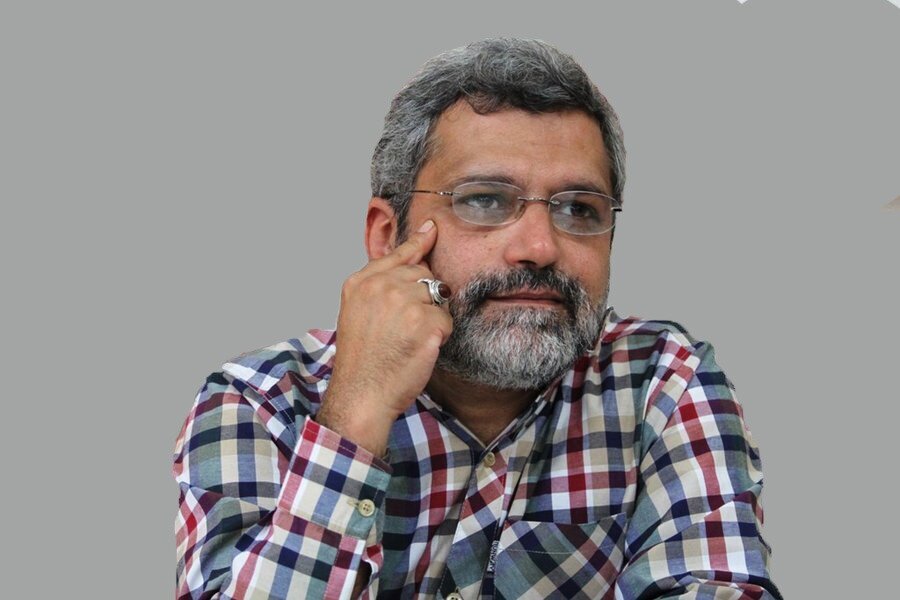
Parsaei is a distinguished and unique personality in several respects. He is the most prolific and enduring critic in the history of Iranian children’s and young adult literature, having published over 150 reviews in journals such as Roshanan, Children and Young Adults’ Book of the Month, Research Journal of Children’s Literature, Quarterly of Children’s and Young Adults’ Book Criticism, and Children’s Book Criticism Periodical. Over four decades, he has also written hundreds of critiques of various plays and playwrights. He might be the only person in the history of our country’s press who has earned a living solely by writing criticism for years. Additionally, several books authored and translated by Parsaei have been published.
In an era when all children’s literature criticism journals and forums are closed, meeting Parsaei and offering him support was an act of reverence for criticism and an appreciation of all literary and art critics in this land.
Children’s literature criticism is not merely a necessary element for the advancement and growth of a literary genre and a branch of books. Promoting a culture of critical thinking, spreading inquiry, fostering receptiveness to criticism, teaching assertiveness, and nurturing a society of contemplation and dialogue might be the remedy for much larger problems.
At the 18th session of children’s and young adult literature criticism and theoretical discussions, Nasrollah Qaderi, former head of the National Association of Theater Critics, while noting his differences in opinion with Parsaei, called him a “martyr of the field of criticism” and emphasized Parsaei’s sincerity, honesty, specialized, and professional approach.
In the same program, Abbas Jahangirian, author and former head of the Association of Children and Young Adults’ Writers, Dr. Afsun Amini, secretary of that association, Manouchehr Akbarlou, expert and activist in children’s theater, Yashar Hedaei, literary critic, and the writer of this note also spoke about his ethical and professional characteristics.
Finally, Hassan Parsaei, recalling his bittersweet childhood memories in Sanandaj, spoke about how he entered the world of literary and art criticism through philosophical studies and shared memories of work problems, injustices, and lack of attention. According to Parsaei, in a land where praise and flattery are valued and lead to success, writing criticism is difficult and imposes very harsh costs on the critic.
Organizing the tribute program for Hassan Parsaei has been one of the sweetest programs for me this year. Hassan Parsaei, beautifully and clearly, symbolizes children’s and young adult literature criticism and literary critics in Iran; with the same loneliness, fatigue, forgottenness, being perceived as an enemy, lack of support, being ostracized, strange, and isolated. Unrewarded and unappreciated.
May the lives and honor of all the great figures in the field of criticism and thought be extended.





