451 Days of Sitting in William G. Doty’s Class; A Translation Experience from the Heart of Myths
Mehr News Agency, Provinces Group – Kourosh Dibaj: In the contemporary world, re-reading myth is no longer merely a return to the past, but an effort to understand the mechanisms of narrative, meaning, and identity in times when new myths are born daily from media, politics, and popular culture. Therefore, ‘mythography,’ as an interdisciplinary branch, has found a special place in cultural studies and anthropology; a field in which researchers focus not on analyzing myths, but on the methods of narrating and representing them. William G. Doty, a contemporary American myth scholar and theologian, is one of the prominent figures in this field, who, with a synthetic view combining theology, psychology, sociology, and semiotics, has opened a new path in understanding myth and ritual.
The book ‘Mythography and the Study of Myths and Rituals,’ one of Doty’s most prominent works, is a rare example of his multi-layered and interdisciplinary approach; a work that has strived to go beyond the boundaries of individual theories and present a system of dynamic and fluid understanding of myth to the reader. This book, recently published in Iran with the accurate and detailed translation by Somayeh Samsarlir, is considered the first Persian translation of a reference text in the field of modern mythography theories.
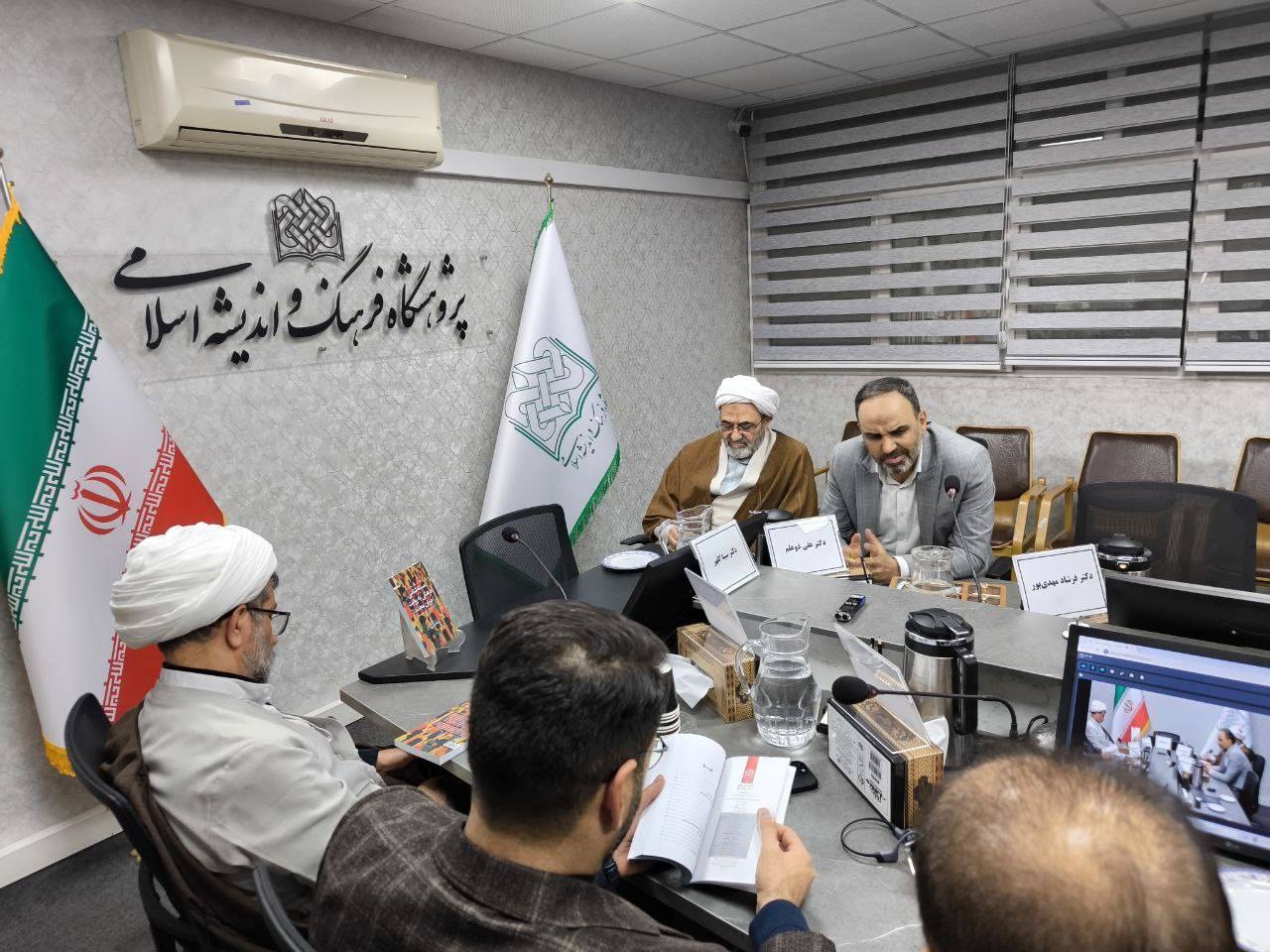
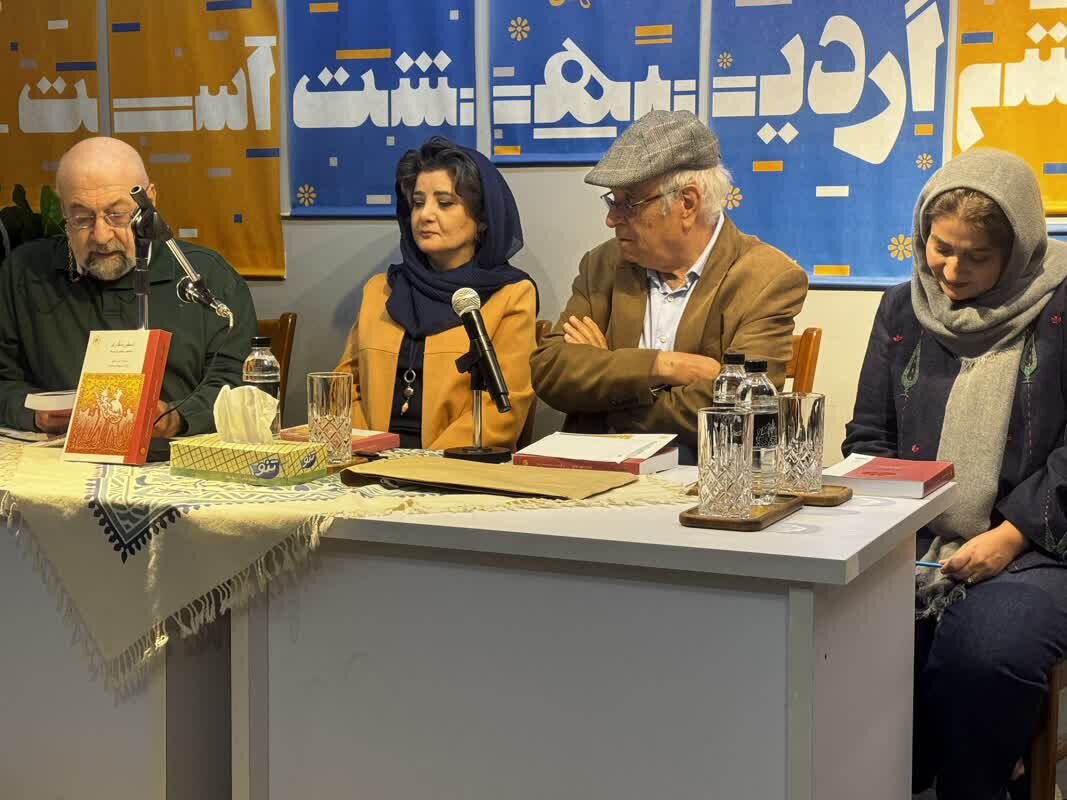
On this occasion, an unveiling and critique session for this book was held on Wednesday evening at Oridibehesht Book City in Isfahan; a session attended by Somayeh Samsarlir, the translator of the work, Ali Khodaei, writer and literary critic, and a group of researchers and enthusiasts in the field of myth and culture. During the session, the key concepts and theoretical achievements of the book were examined from various angles.
Somayeh Samsarlir, translator of the book ‘Mythography and the Study of Myths and Rituals’ by William G. Doty