The book ‘The Logical Foundations of Induction’ joined UNESCO’s global commemorations.
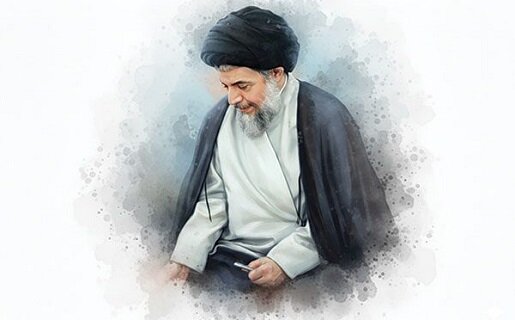
According to Mobalegh’s Thought and Culture website, this historic decision, proposed by Iraq and supported by 19 countries from various continents, including the Islamic Republic of Iran, Afghanistan, Japan, Russia, India, Libya, and several other nations, signifies the inclusion of this prominent logical-philosophical work in UNESCO’s global commemorations list for 2026-2027.
According to Ejtehad Network, UNESCO, by sending an official letter to Iraq’s permanent representative to the organization, announced that the proposal to include the 50th anniversary of the publication of ‘The Logical Foundations of Induction’ in UNESCO’s list of related commemorations for the 2026-2027 period was approved by the Executive Board, and expressed gratitude for the commitment and participation of the supporting countries.
‘The Logical Foundations of Induction,’ first published in 1976, attempts to critique traditional and modern theories of induction and provide new logical foundations for inferential methods in human sciences and knowledge. The inclusion of this work in UNESCO’s list affirms the global importance of this intellectual masterpiece in the history of philosophy and logic.
This book is a manifestation of creative and prominent thought that the author achieved while examining logical and philosophical issues related to ‘induction.’ This intellectual endeavor led to the establishment of a new approach in the theory of knowledge, completely different from the two traditional approaches, namely ‘the rationalist school’ and ‘the empirical school.’ The author named this approach ‘the intrinsic school of knowledge’ to distinguish it from the other two schools.
In this book, he sought to reconstruct the theory of knowledge on a new foundation and examine its main issues with an entirely different perspective than what he had presented in ‘Our Philosophy.’ Therefore, the martyred master attached special importance to this book among his other works and considered it a reflection of his scientific and intellectual level. He regarded this work as the result of intensive scientific efforts, referring to it as ‘the fruit of his life’s labor.’





