Resource Collection is a Priority for the Public Libraries Institution

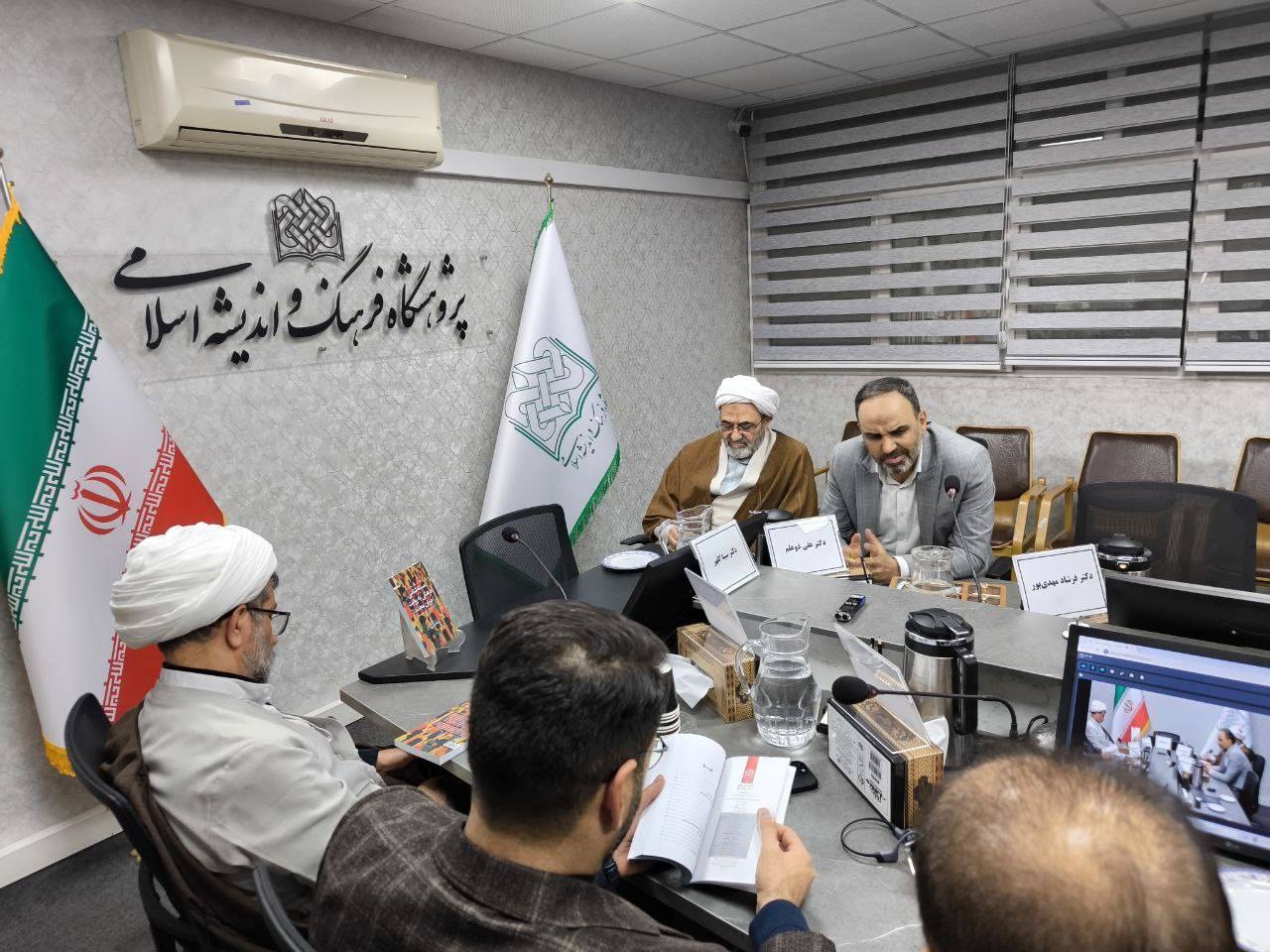
According to Iran’s Book News Agency (IBNA), quoting the General Department of Public Relations and International Affairs of the Public Libraries Institution, a brainstorming session between the Secretary-General of the institution and 35 professors of information science and librarianship from Tehran universities was held on the evening of Tuesday, November 4th (13th of Aban in the Persian calendar), with the presence of several senior managers of the institution at Noor Hayat Hotel.
Nazarboland, referring to the objectives of this meeting, said: ‘Increasing the institution’s interaction with the academic community, receiving professors’ views and suggestions on the institution’s new roadmap, and utilizing their feedback on the performance of the new management team are among the most important goals of this session.’
He emphasized that the Public Libraries Institution has always faced challenges in human and financial resource management, adding: ‘Despite all limitations, new horizons for transformation in public libraries have been drawn and are being seriously pursued.’
The Secretary-General of the institution, referring to the redefinition of the institution’s executive policies, said: ‘New policies are underway, a significant part of which is reflected in the “Hamkhaan” (Homkhaan) emblem. Our approach is step-by-step, long-term, and based on precise planning. Librarians should be trained to become professional, creative, and inspiring mentors, as many of them have distanced themselves from up-to-date training after graduation.’
He also announced the institution’s special attention to library resource collection, adding: ‘In the year 1404 (Persian calendar, which overlaps with parts of 2025-2026), approximately 1.2 million copies of books have been purchased so far, based on the needs and suggestions of librarians and considering the cultural and local conditions of each region.’
Nazarboland concluded by referring to the institution’s actions in the field of digital transformation, stating: ‘Effective steps have been taken in data-driven decision-making and utilizing artificial intelligence to introduce and suggest books to seekers. With the implementation of these programs, I see a bright future for the institution.’
The suggestions made at this meeting will also be reviewed and followed up in the form of specialized working groups. We invite the esteemed professors to closely observe the institution’s changes, criticize them, and accompany us on the path of growth and reform.’
Part of the institution’s new policies is defined in the ‘Hamkhaan’ emblem.
Siamak Mahboub, Deputy for Library Development and Reading Promotion of the institution, also, as the secretary of the 33rd Book Week, elaborated on the goals and programs of the institution’s new management period, stating: ‘The new managers of the institution have come to truly administer the public library. In this path, our main goal is to launch the fourth generation public library, and we are striving to achieve this goal through the implementation of novel redesigns.’
He considered the design and implementation of the ‘Hamkhaan’ emblem as one of the drivers for achieving this goal, explaining: ‘This emblem emphasizes that a library is no longer merely a place for lending books, but rather, by defining 12 sub-emblems, it outlines the roadmap for Iran’s public libraries. Among these emblems are services for children, teenagers, seniors, special groups, user education, mobile library, library supporters, book promoters, library promotion, and value-creating public library, each focusing on an area of cultural and social services.’
Mahboub added: ‘The judging process for these emblems will be carried out by 99 librarians from across the country, and so far, over 4215 files have been received for review.’
Subsequently, professors of information science and librarianship from Tehran universities also expressed their views and suggestions regarding enhancing the institution’s performance, expanding interaction with universities, and improving public library services.’