From ‘The Link Between Noble Music and Folk Music’ to ‘What Will Happen?’ / The Book ‘Iranian Classical Music’ Was Published
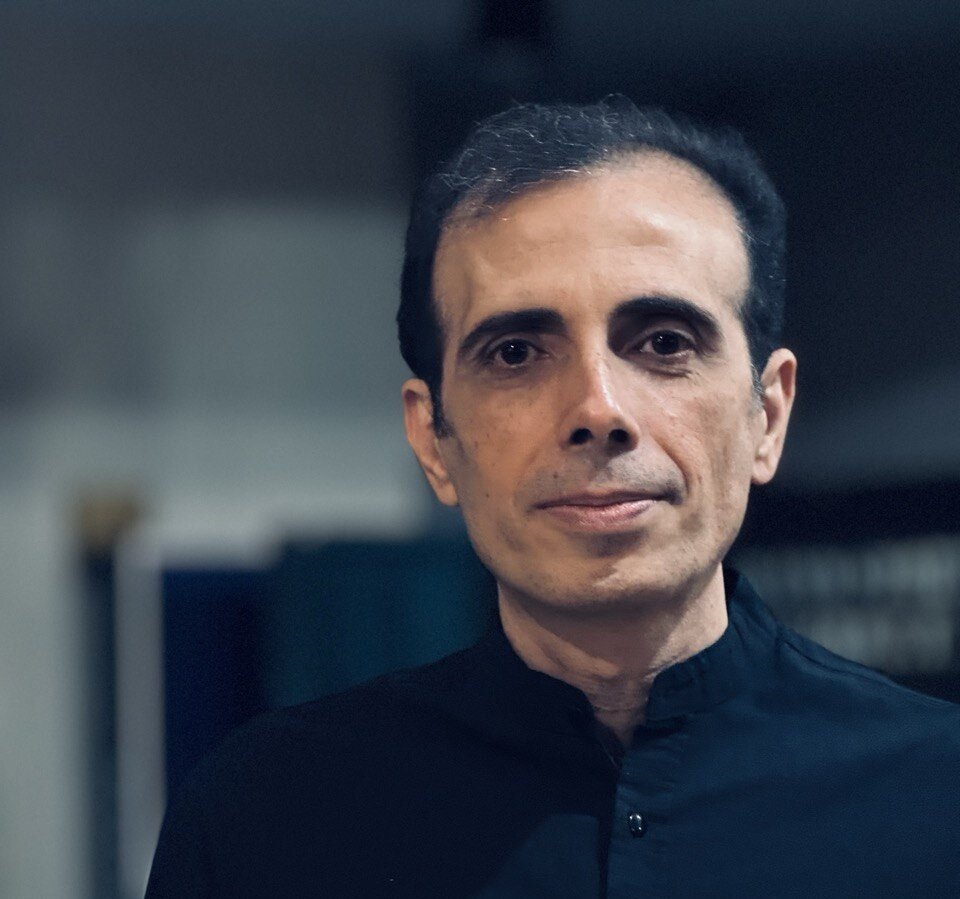
According to Khabar Online News Agency, citing the work’s public relations, Beegah Publications released the book ‘Iranian Classical Music’ written by Arvin Sedaghatkish to the publishing market. This book title is being compiled for the first time for the general public interested in Iranian music with a simple and fluent prose.
‘Iranian Classical Music,’ as we read in the preface, was authored in January 2023 and is now, after three years, being printed and published.
Iranian Radif-Dastgahi music has been known by various names such as authentic, traditional, dastgahi, and national over the past hundred years. However, these names only revealed part of its essence. Now, some musicologists call this music ‘Iranian Classical Music.’ Therefore, the author has explained at the beginning of the book why he believes this term is better for naming the music in question.
The book ‘Iranian Classical Music’ is authored in 9 chapters. In the first chapter, the author addresses the concept of ‘Traditional, Authentic, or Classical: What does Iranian Classical Music mean?’ After this, the second chapter explains ‘Where is the place for music performance?’ and ‘Where is Iranian Classical Music performed?’ In the third chapter, it delineates ‘The Status of the Musician’ in Iranian Classical Music. In the fourth chapter, the author examines the repertoire of Iranian Classical Music. In this chapter, he explains ‘What is performed in Iranian Classical Music?’ This chapter, as Sedaghatkish admits in the preface, is slightly more technical than other sections. Because, in the author’s opinion, ‘over-simplifying or omitting’ the issues in this chapter would harm the understanding of Iranian Classical Music.
In the fifth chapter, the book’s ‘Connection with Others,’ meaning the links of this music with ‘Folk Music’ and ‘Popular Music,’ is examined. In the next chapter, the author raises the topic of ‘Education’ in Iranian Classical Music and describes ‘How is this music taught?’ This university lecturer and orchestra conductor has written a relatively longer discourse in the seventh chapter under the title ‘A Very Brief History: What has been the fate of Iranian Classical Music?’ Given the breadth of the music’s history under review (approximately 6000 years) and the necessity of addressing it, the length of this chapter is justifiable.
‘Aesthetics’ is the subject of the eighth chapter of the book. The author, whose previous works in this field we have read, has simply elucidated some philosophical issues related to classical music in this chapter. The ninth chapter, ‘Present and Future,’ answers a question constantly asked today: ‘What will happen?’ In the appendix of this book, the author also refers to reference works of Iranian Classical Music and has provided an opportunity, using a QR code, for readers to access some of his selected audio lists and listen to audio examples related to the book.
Furthermore, at the end of each chapter, a list of supplementary materials is provided for interested readers to learn more, which can be interesting and beneficial for more engaged and curious readers.
The book ‘Iranian Classical Music’ by Arvin Sedaghatkish, published by Beegah Publications in a print run of 700 copies, was released in October 2025 in 189 pages and is available to enthusiasts for two hundred and seventy-five thousand Tomans.





