Daughter of the Fire Campaign Trapped in Linguistic and Historical Slips

Daughter of the Fire Campaign Trapped in Linguistic and Historical Slips
IBNA: Dr. Shahla Lajevardi, a researcher and expert in women’s studies, stated in a review session of the book “Daughter of the Fire Campaign” by Farideh Shakibai, that the author, like many other writers, has fallen into linguistic and historical errors.
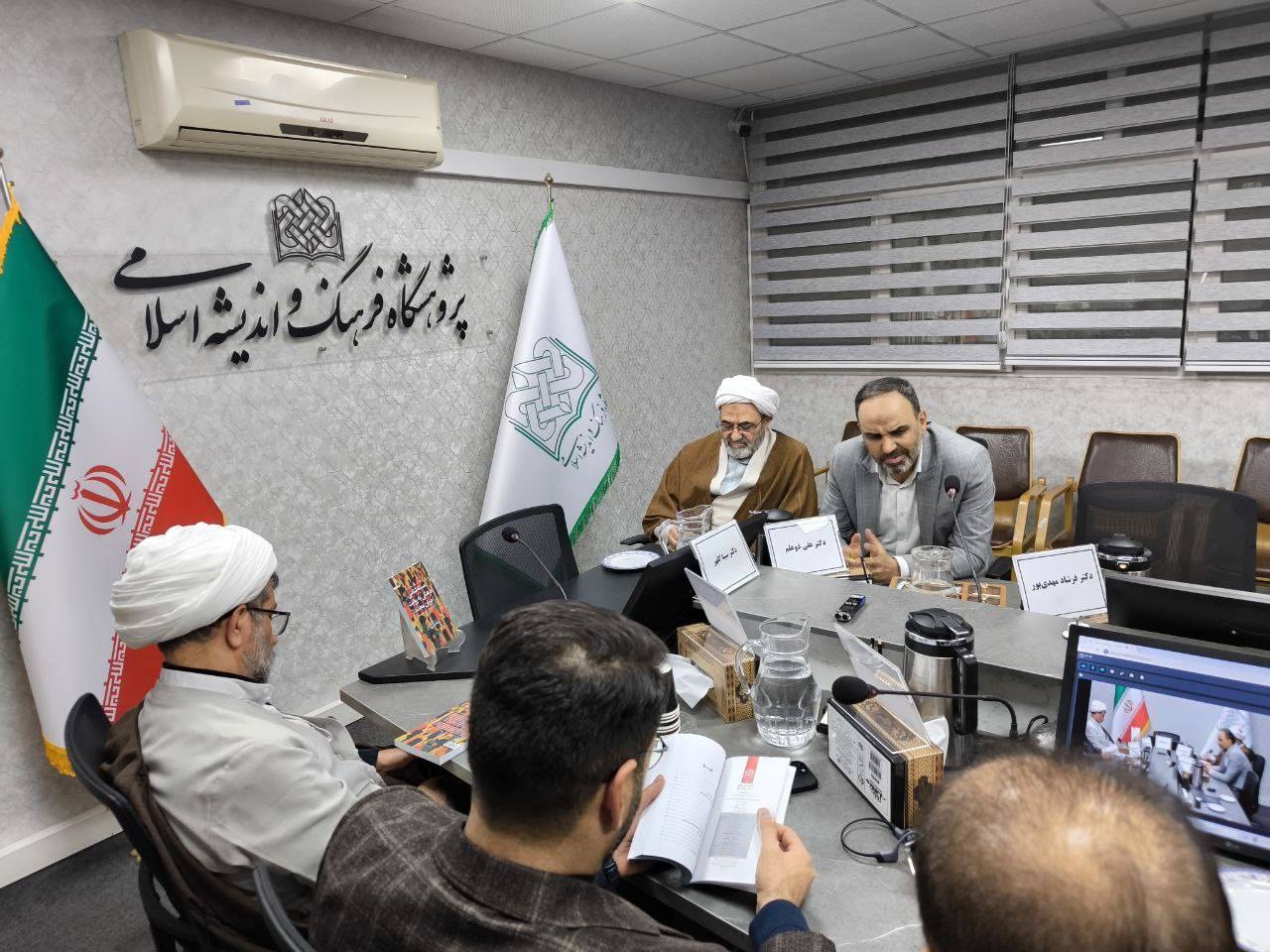
According to the Iran Book News Agency (IBNA), the review session of Farideh Shakibai’s novel “Daughter of the Fire Campaign” was held at the Women’s Book Reading Association.
Focus on Language and Historical Accuracy
Lajevardi added: “The book ‘Daughter of the Fire Campaign’ is a novel that portrays the life of a woman from the Qajar period, covering social events of that era. Despite its valuable content, the book contains several linguistic and historical inaccuracies that detract from its credibility.”
- She emphasized the importance of historical research for authors when writing novels set in specific historical periods.
- Lajevardi pointed out that some expressions and vocabulary used in the novel do not align with the language prevalent during the Qajar era.
- She also mentioned discrepancies in historical events described, suggesting that a more thorough review could have prevented these issues.
Author’s Response
Farideh Shakibai, the author, also attended the session and thanked Dr. Lajevardi for her detailed review. She acknowledged some of the points raised and expressed her commitment to improving her future works.
“It is always valuable to receive constructive criticism, and I appreciate the meticulous attention given to my work,” Shakibai stated. “I will certainly take these comments into consideration for subsequent editions and new projects.”
The session concluded with a discussion between the author, reviewer, and attendees regarding historical fiction and the challenges of merging historical facts with fictional narratives.